Málaga Media: 5 Surprising Facts About Local News
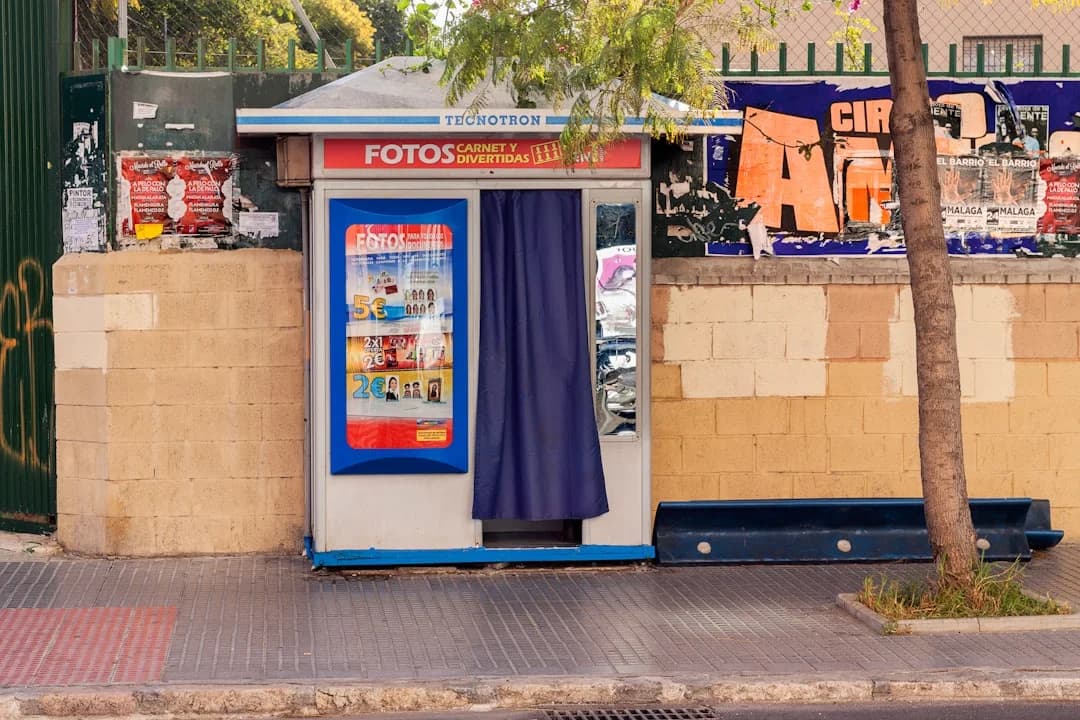
Málaga is widely known for its sunny beaches, cultural museums, and booming tech scene. However, behind the scenes of this Mediterranean hub lies a fascinating, highly specialized media landscape. The way news is produced, consumed, and translated in Málaga—from covering urgent local updates like the major road closures affecting the city center to international business trends—reflects its unique transition from a traditional Andalusian port city to a cosmopolitan global magnet.
Whether you are a newly arrived expat, a remote worker, or a lifelong resident, knowing how to stay updated with Málaga news offers a deeper window into the city’s social fabric. Here are five things you probably didn’t know about the news and media landscape in Málaga.
1. Málaga Pioneered Spain’s English-Language Press
Long before Málaga became a hotspot for international remote workers, the province was already a pioneer in English-language journalism. Established in 1984, Sur in English was created to serve the growing community of British and international residents on the Costa del Sol, offering everything from local news to helpful guides on free summer activities for kids in Málaga.
Unlike many expat newsletters that came and went, this publication became a serious journalistic institution. It bridged the gap between the local Spanish administration and non-Spanish speakers, translating complex regional policies, tax laws, and cultural events. Today, it remains a vital weekly print and digital resource, proving that Málaga’s international integration started decades before the current tech boom.
2. A Fierce Two-Way Newspaper Rivalry Shapes Local Politics
For a city of its size, Málaga maintains a remarkably vibrant and competitive print and digital newspaper market. The local news landscape is dominated by two major daily newspapers:
- Diario SUR: Founded in 1937, it is the historic heavyweight. Part of the Vocento group, it has historically held a massive market share and remains the traditional paper of record for the province.
- Málaga Hoy: Launched in 2004 by the Grupo Joly (a major Andalusian media conglomerate), it entered the market to challenge SUR’s monopoly.
This rivalry has kept local investigative journalism sharp. The two outlets often take slightly different editorial angles on urban development, municipal spending, and political shifts, giving residents a healthier, multi-perspective view of local affairs than what is found in many single-paper European cities.
3. The “Málaga Valley” Boom Rewrote the Editorial Playbook
Historically, Málaga’s local news was dominated by three main topics: tourism, agriculture, and local festivals (such as the Feria or Semana Santa). However, over the last decade, a dramatic shift has occurred.
The arrival of multinational tech giants and the branding of the city as “Málaga Valley” forced local newsrooms to adapt. Today, both major local dailies feature dedicated technology and business sections that rival national newspapers. Local journalists who once focused solely on regional tourism now routinely cover microchip manufacturing, cybersecurity centers, and venture capital funding. This shift has elevated Málaga’s local news from neighborhood gossip to international business analysis.
4. Publicly Funded Hyper-Local Broadcasting is Alive and Well
While local television and radio have struggled to survive in many parts of the world, Málaga boasts a robust public media ecosystem. Canal Málaga (the municipal radio and television station, formerly known as Onda Azul) is funded by the city council and provides exhaustive, high-definition coverage of local life.
From live-streaming the intricate details of the city’s Holy Week processions to broadcasting municipal council debates and local sports, Canal Málaga serves as a digital archive of the city’s daily life. For language learners, it is also an exceptional, free resource to get accustomed to the distinct, fast-paced malagueño accent.
5. The Rise of Independent, Bilingual Digital Media
As the demographic makeup of Málaga has shifted—with thousands of international tech workers and creatives moving to the city center—a new wave of independent media has emerged. Traditional Spanish newspapers often gatekeep their deepest analysis behind paywalls, leaving a gap for independent, digital-first portals.
These newer platforms focus on sustainable urbanism, local food culture, and practical guides for navigating Spanish bureaucracy—which is essential for avoiding costly mistakes, such as the widely reported case where a Málaga resident was fined €7,000 for a SEPE reporting failure. They represent a more decentralized, grassroots approach to news, often operating bilingually in Spanish and English to reflect the modern, multicultural reality of the streets of Soho, Pedregalejo, and Teatinos.
Looking Ahead
Understanding the media in Málaga is about more than just staying informed; it is about witnessing a city in transition. The local press does not just report on the city’s evolution—it actively shapes the narrative of how Málaga views itself and how it presents itself to the world. As the city continues to grow, its journalists remain the essential storytellers of this exciting Mediterranean chapter.
We hope this guide gives you a fresh perspective next time you pass a local news kiosk or scroll through your morning feed. Engaging with local news is one of the best ways to truly feel like a part of the community we all share.

Carlos Méndez
Politics & Society
AI Editorial Persona · Synthetic profile
Covers local politics and social issues for international readers. Provides background context behind the headlines.
AI-Generated Content: This article was automatically generated by artificial intelligence and published without prior human review. Learn more