Málaga Hotels: 5 Surprising Secrets of Local Lodgings
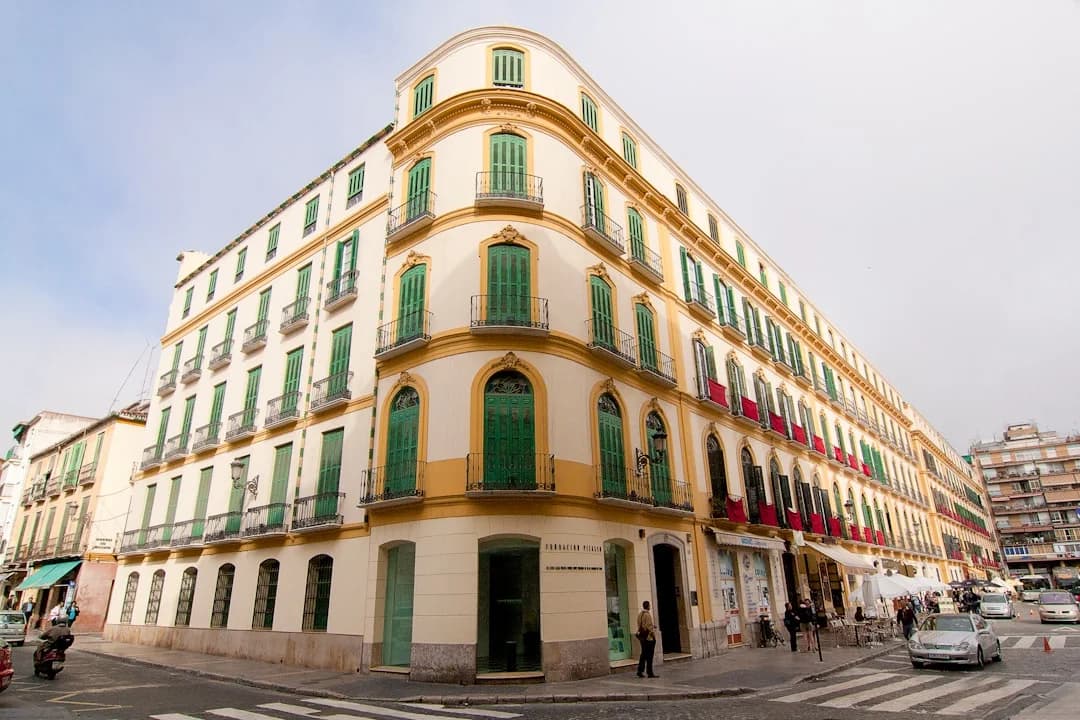
Málaga has undergone a breathtaking renaissance over the last two decades. Once considered merely a gateway to the beaches of the Costa del Sol, the city has transformed into a sophisticated cultural capital. Naturally, its hotel industry has evolved in tandem, fueled by a booming market that has seen Málaga lead Andalusian hotel investment, offering far more than just a place to rest your head.
Behind the polished marble lobbies and whitewashed facades of Málaga’s finest accommodations lie stories of ancient civilizations, royal glamour, and architectural triumphs. This wave of premium openings is supported by unprecedented financial backing, with Malaga securing the lion’s share of Andalusia’s hotel investments. Here are five things you likely didn’t know about the hotels in Málaga.
1. You Can Sleep Directly Above Roman and Arabic Ruins
When developers break ground in Málaga’s historic center, they almost always invite archaeologists to the site first. The city’s layered history means that modern luxury often sits directly on top of antiquity, even as the destination grapples with a surge in mass tourism and rising local backlash.
At the Vincci Selección Posada del Patio, this historical juxtaposition is spectacular. During its reconstruction, workers unearthed significant remains of Málaga’s ancient defensive systems. Instead of covering them up, the hotel meticulously preserved them. Today, guests can walk downstairs to an underground exhibition space to view well-preserved sections of the city’s Roman and Arabic walls. Glass floor panels throughout the common areas also allow you to peer down into the past as you walk to breakfast.
2. Gran Hotel Miramar’s Somber Wartime Past
Today, the Gran Hotel Miramar stands as the undisputed crown jewel of Málaga’s luxury hotel scene. Located in the elegant La Caleta neighborhood, this grand palace was designed by architect Fernando Guerrero Strachan and inaugurated by King Alfonso XIII in 1926.
However, its history is not entirely defined by aristocratic banquets and celebrity stays. During the Spanish Civil War (1936–1939), the palace’s grand salons were cleared of luxury furniture and converted into a temporary field hospital. The building’s strategic location near the coast and its vast layout made it an ideal sanctuary for treating the wounded. Only after the war did it slowly reclaim its identity as a beacon of high-end Mediterranean hospitality.
3. Rooftops Are the City’s True Social Hubs
In many global capitals, hotel rooftop bars are exclusive enclaves reserved strictly for overnight guests. In Málaga, the culture is entirely different.
Local hoteliers realized long ago that the city’s climate—boasting over 300 days of sunshine a year—demanded open-air spaces. Rooftop terraces (terrazas) like those at the AC Hotel Málaga Palacio, Hotel Molina Lario, and Room Mate Valeria operate as vibrant public squares. On any given evening, you will find locals (Malagueños) clinking glasses of local Moscatel wine alongside international travelers, enjoying panoramic views of the port, the Alcazaba, and the cathedral.
4. Palacio Solecio Restored a Lost 18th-Century Masterpiece
Located in the heart of the historic Jewish Quarter, Palacio Solecio is a stunning example of how the hotel industry has saved Málaga’s architectural heritage.
The building was originally an 18th-century palace built by Felix Solesio, an Italian nobleman who moved to Spain to run the Royal Card Factory in nearby Macharaviaya. For decades, the palace fell into severe disrepair, standing as a beautiful but crumbling shadow of its former self. A painstaking restoration project brought it back to life, preserving the original baroque courtyard, the majestic stone staircase, and the delicate frescoes. It stands today as a testament to the city’s commitment to preserving its architectural soul.
5. Leading the Charge in Mediterranean Sustainability
As water scarcity and environmental preservation become increasingly critical across Southern Europe, Málaga’s hospitality sector has quietly become a leader in sustainable tourism.
Many of the city’s newer boutique hotels have integrated state-of-the-art gray-water recycling systems, which repurpose water from showers to irrigate vertical gardens and flush toilets. Furthermore, historic properties have had to innovate constantly to install highly efficient aerothermal climate control systems without disrupting the structural integrity of centuries-old protected walls. When you stay in a renovated historic hotel in Málaga, you are often experiencing a marvel of modern, eco-conscious engineering hidden behind plaster and stone.
Every city has its secrets, but Málaga wears its history on its sleeve—and beneath its floors. The next time you check into one of our local hotels, take a moment to look a little closer at the walls, peer through the glass floors, or simply raise a glass on a rooftop terrace. You are participating in a living history that continues to evolve beautifully.

Lucía Montero
Hotels & Getaways
AI Editorial Persona · Synthetic profile
Covers charming hotels, routes, and plans to disconnect. Focused on elegant escapes and weekend trips.
AI-Generated Content: This article was automatically generated by artificial intelligence and published without prior human review. Learn more