Axarquía: 170,000 Tons of Illegal Rubble Uncovered
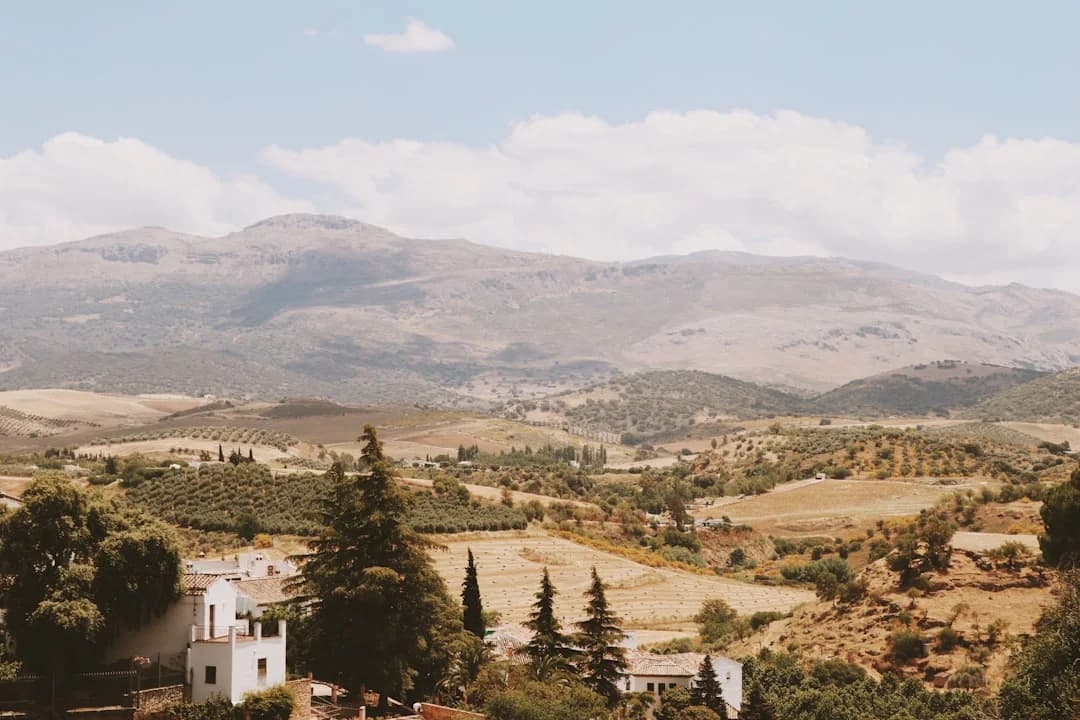
The Axarquía region, with its sweeping valleys, sun-drenched hills, and traditional white villages, has long been a sanctuary for those seeking a quieter pace of life. Home to one of the largest communities of foreign residents in Málaga—a province also drawing international attention for its recent recognition as a European gastronomic capital—this eastern comarca is celebrated for its pristine rural environment. However, a significant environmental disaster has cast a shadow over this idyllic landscape, serving as a stark reminder of the challenges facing rural preservation.
The Scale of the Disaster
In a major operation protecting the local ecosystem, the Guardia Civil launched an investigation into a massive illegal dumping network. According to reports from elDiario.es, authorities uncovered nearly 170,000 tons of construction and demolition waste illegally deposited across the region.
The investigation implicated 12 individuals connected to this large-scale environmental crime. Rather than utilizing authorized waste management facilities—which require processing fees—the perpetrators systematically dumped rubble, plastics, and potentially hazardous building materials onto rustic plots of land (fincas rústicas) hidden from main roads.
Why This Matters Globally and Locally
The global shift toward sustainable living often drives individuals to places like the Axarquía. Expats and locals alike invest in rural properties here not just for the climate, but for the profound connection to nature.
When 170,000 tons of concrete, brick, and chemical residues are dumped into the soil, the impact is devastating:
* Soil Contamination: Heavy metals and chemicals from construction waste can leach into the earth, compromising agricultural land famous for avocados, mangoes, and traditional olive groves.
* Water Supply Risks: The Axarquía faces well-documented water challenges. Illegal landfills threaten to contaminate subterranean aquifers, which are vital for both farming and residential use.
* Biodiversity Loss: The destruction of natural habitats to make way for illegal dumping displaces local wildlife and disrupts the delicate ecological balance of the region.
Implications for Rural Property Buyers
For the international community drawn to Málaga’s countryside, this incident highlights a crucial aspect of buying rural property: due diligence. The dream of owning a secluded finca must be balanced with a clear understanding of the land’s history and its immediate surroundings.
If you are considering purchasing property in the Axarquía, consider the following steps to protect your investment and the environment:
- Conduct Thorough Land Surveys: Always hire an independent surveyor to inspect the land for unauthorized landfills, buried waste, or irregular topographical changes.
- Verify Land Use: Ensure the plot has not been historically used as an informal dumping ground by previous owners or neighboring construction sites, an increasingly relevant step as housing construction hits new highs across Málaga.
- Work with Reputable Professionals: Engage local lawyers and real estate agents who understand the environmental regulations of the Junta de Andalucía and can verify the ecological status of the property.
The Path to Restoration
The intervention by the Guardia Civil’s environmental protection service (SEPRONA) is a vital step in addressing this crisis. By holding the responsible parties accountable, local authorities are sending a clear message that the exploitation of Málaga’s natural landscapes carries severe consequences.
However, the physical cleanup of 170,000 tons of debris presents a monumental logistical and financial challenge. It requires coordinated efforts between regional governments, environmental agencies, and landowners to restore these affected valleys to their natural state.
As we watch the recovery efforts unfold, it is a poignant reminder of how fragile our beautiful surroundings can be. Whether we were born in Málaga or chose to make it our home later in life, we all share the privilege of living in this remarkable corner of the world. By staying informed, supporting local environmental protections, and demanding accountability, we can help ensure that the Axarquía remains a vibrant, healthy haven for generations to come.

Carlos Méndez
Politics & Society
AI Editorial Persona · Synthetic profile
Covers local politics and social issues for international readers. Provides background context behind the headlines.
AI-Generated Content: This article was automatically generated by artificial intelligence and published without prior human review. Learn more