Málaga’s Phoenician Roots Revealed at Cerro del Villar
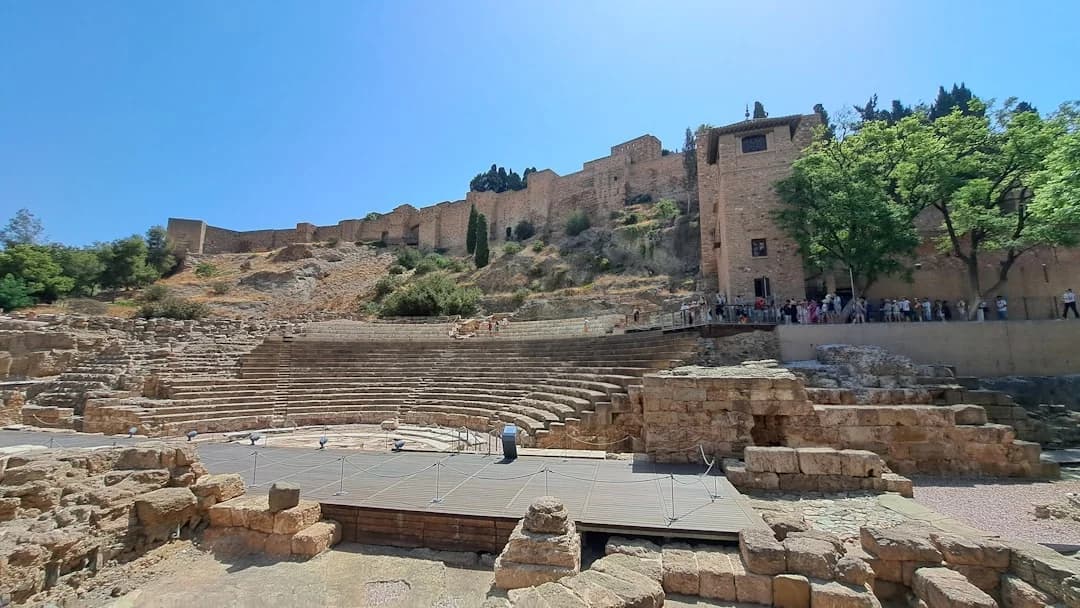
Málaga is widely celebrated for its sun-drenched beaches, bustling art museums, and vibrant culinary scene. Yet, beneath the modern coastal landscape lies one of the western Mediterranean’s oldest urban centers. Recent archaeological work at Cerro del Villar, located near the mouth of the Guadalhorce River, has shed new light on the 2,800-year-old Phoenician foundations of what we know today as Málaga.
Recent reports published by El Confidencial highlight the exceptional state of preservation of this ancient site. Archaeologists excavating the islet site have confirmed a sophisticated urban settlement dating back to the 8th century BCE, establishing it as one of the best-preserved early Phoenician urban ruins in the entire Mediterranean basin.
A 2,800-Year-Old Commercial Powerhouse
Long before the Romans built their theater or the Moors constructed the Alcazaba, Phoenician navigators from the Eastern Mediterranean established trading posts along the southern coast of the Iberian Peninsula. Cerro del Villar was strategically founded on an island in the delta of the Guadalhorce River, providing natural defense and direct access to maritime routes.
What makes the recent discoveries so remarkable is the clarity of the urban plan:
- Street Networks & Architecture: Excavations have uncovered organized street layouts, multi-room domestic structures, and industrial workshops built with mudbrick on stone foundations.
- Industrial Hubs: Evidence points to large-scale pottery production, metalworking, and fish processing, demonstrating that the settlement was far more than a temporary trading station.
- Maritime Commerce: Amphorae and imported luxury goods confirm active trade networks connecting ancient Malaka with North Africa, the Levant, and internal Iberian communities.
The Evolution from Cerro del Villar to Malaka
Around the late 6th century BCE, environmental shifts—including river silting and flooding—prompted the inhabitants of Cerro del Villar to relocate slightly eastward to the sheltered bay under Mount Gibralfaro. This relocation formed the core of ancient Malaka, establishing the continuous urban timeline that defines modern Málaga.
For history enthusiasts and long-term residents, Cerro del Villar offers essential context. It transforms our understanding of the region from a quiet coastal zone into an ancient nexus of international commerce and cultural exchange.
How to Connect with Málaga’s Phoenician Heritage
While the active archaeological digging site at Cerro del Villar remains protected for research purposes, visitors and locals can explore this rich era through local cultural institutions:
- Museo de Málaga (Palacio de la Aduana): Home to an extensive collection of Phoenician artifacts uncovered across the province, including funerary steles, jewelry, ceramics, and trade items.
- Rectorado de la Universidad de Málaga: The basement of the university headquarters houses preserved Phoenician ruins discovered during building renovations.
- Historic Center Walking Tours: Many local historical societies offer guided heritage walks tracing the ancient boundary walls of Malaka.
As research continues at Cerro del Villar, each season uncovers fresh clues about the resilient women and men who first built a life on these shores thousands of years ago. It is a grounding reminder that every step we take through Málaga’s streets connects us to thousands of years of human ambition, craft, and community.

Javier Ruiz
Breaking News
AI Editorial Persona · Synthetic profile
Covers general news from port expansions to university updates. Explains why local stories matter to visitors and expats.
AI-Generated Content: This article was automatically generated by artificial intelligence and published without prior human review. Learn more