Costa del Sol Population Boom Exposes Major Transport Strain
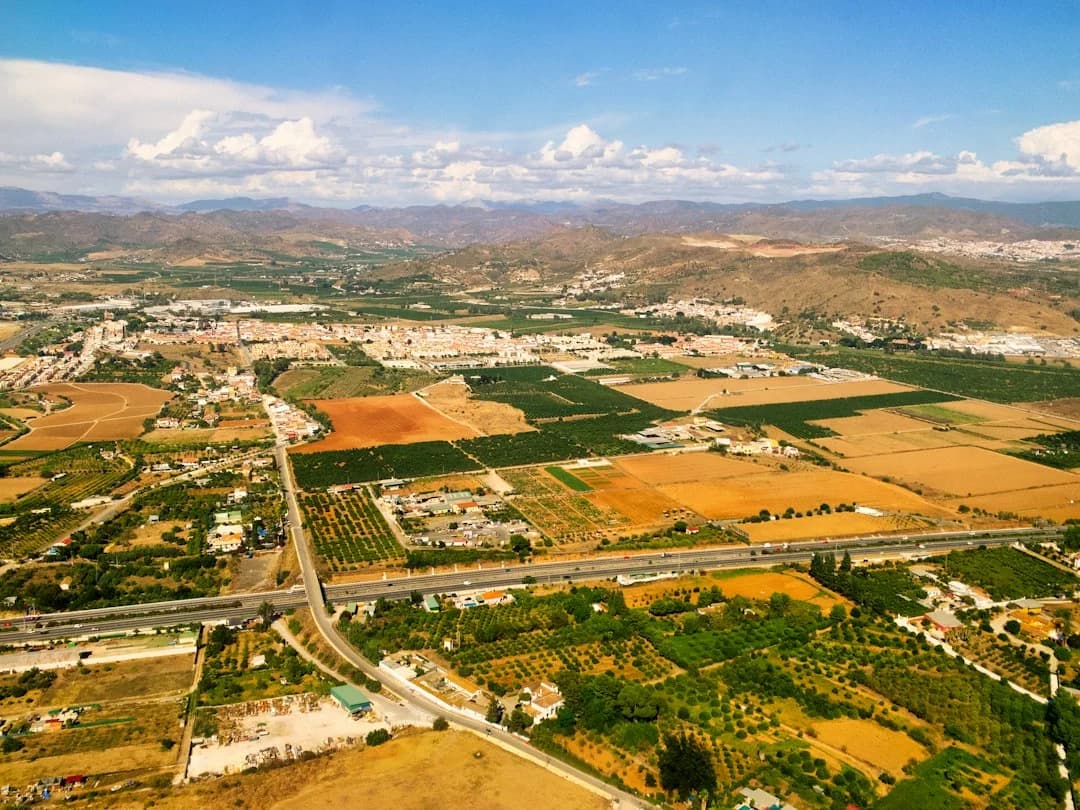
The rapid transformation of Málaga province from a seasonal holiday retreat into a year-round economic powerhouse has brought undeniable energy to southern Spain. However, this demographic and commercial momentum is placing unprecedented pressure on the region’s transport network. As thousands of new residents, digital nomads, and international businesses relocate to ‘La Gran Málaga’, local highways and train lines are struggling to keep pace.
Recent spatial and demographic analyses, such as the Impulso Andalucía 2027 report highlighted by Diario SUR, emphasize that infrastructure shortages are becoming a primary bottleneck for sustainable growth. Without swift interventions, daily commutes across the coastal corridor risk deteriorating further.
The Bottlenecks of ‘La Gran Málaga’
The urban footprint of Málaga no longer stops at the city limits. The metropolitan area now seamlessly incorporates coastal municipalities like Torremolinos, Benalmádena, Fuengirola, Marbella—home to iconic destinations like the Marbella Club, recently honored at the Puerta Nueva Awards—and Estepona, as well as inland hubs like Alhaurín de la Torre and Cártama.
This geographical expansion means thousands of daily trips are made along the east-west axis of the province. However, arterial thoroughfares—primarily the A-7 coastal highway and the AP-7 toll road—frequently experience severe traffic delays during morning and evening rush hours. The reliance on private vehicles remains high due to gaps in regional transit routing, leading to predictable delays for commuters and freight operators alike.
The Rail Deficit: Capacity and Coverage
Public rail transport faces equally complex challenges:
- The C-1 Cercanías Line: Connecting Málaga city center to the airport and Fuengirola, the C-1 line is officially one of Spain’s busiest suburban rail corridors. Despite high frequency, trains often run at maximum capacity during peak hours.
- The Missing Link to Marbella: Marbella remains one of the largest cities in Western Europe without a direct train connection. The long-debated Tren Litoral (Coastal Train) project, which would extend rail service to Marbella and Estepona, remains a key regional demand, though concrete development schedules are still under debate.
- Inland Connections: Commuter services extending inland toward the Guadalhorce Valley face constraints in frequency and modern intermodal integration.
Infrastructure Upgrades Under Discussion
Addressing these deficits requires coordinated action between municipal, regional, and national authorities. Several proposed solutions are currently under evaluation:
- AP-7 Toll Adjustments: Local civic and business groups have advocated for temporary toll relief or variable pricing on the AP-7 to divert heavy traffic away from the congested A-7 highway.
- Frequency and Rolling Stock Extensions: Upgrading the signaling infrastructure and expanding fleet size on the C-1 Cercanías line to increase passenger throughput.
- Intermodal Hubs: Strengthening park-and-ride facilities around major metropolitan stations to encourage shift from private cars to public transit.
Looking Ahead
Navigating the growth of the Costa del Sol requires balancing rapid economic attraction with functional civic planning. Transport networks are the circulatory system of any modern metropolitan region; maintaining their efficiency is essential for preserving the quality of life that draws people to Málaga in the first place.
While infrastructure projects inevitably take time to plan, fund, and build, there is a shared hope across local communities that proactive investments will ensure smooth, reliable journeys for everyone who calls this vibrant region home.

Elena Durán
Economy & Development
AI Editorial Persona · Synthetic profile
Covers Málaga's economic transformation from tourism to tech hub. Makes infrastructure and development news understandable.
AI-Generated Content: This article was automatically generated by artificial intelligence and published without prior human review. Learn more