Inland Malaga Rattled by Seven Minor Earthquakes
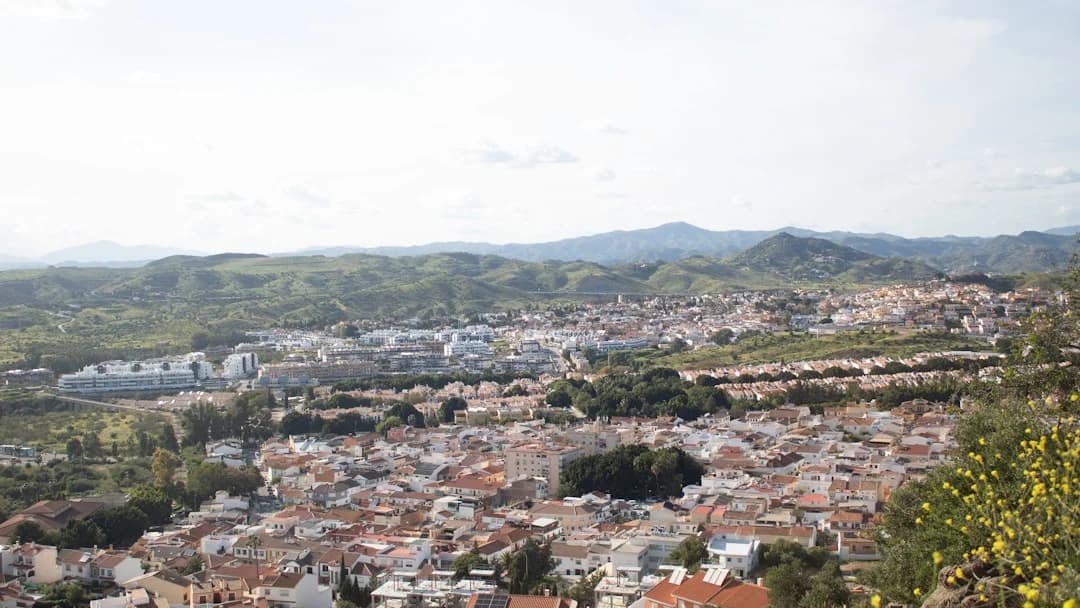
Expats, hikers, and residents living in or visiting Malaga’s scenic interior—including popular spots like El Chorro, Ardales, and the Lake District—experienced a quiet reminder of nature’s power this weekend. On Saturday, June 27, 2026, the National Geographic Institute (IGN) registered a series of seven minor earthquakes concentrated in the northern and western parts of the province. While the tremors were minor, the region remains a highly attractive hub for new residents and entrepreneurs, many of whom are also keeping an eye on local opportunities like Málaga’s recently launched €225,000 startup and self-employment fund.
While the word “earthquake” can understandably cause concern, local authorities and geological reports confirm there were no injuries or significant structural damages. This is reassuring news for locals and visitors alike, who can continue to safely enjoy the area’s lifestyle, including dining at the seven Málaga restaurants recently named in Spain’s top 100 under €100. Here is an analytical breakdown of what occurred, why it happens, and what it means for safety in the region.
The Seismic Details: What Happened on June 27?
According to reports from Málaga Hoy, the series of low-intensity tremors began early on Saturday. The seismic activity was primarily clustered around three inland municipalities:
* Campillos
* Ardales
* Valle de Abdalajís
These tremors registered at low magnitudes, mostly falling into the category of “micro-earthquakes” (typically below 3.0 on the Richter scale). Because these occurrences happened deep underground and carried very low energy, the vast majority of residents did not feel them. Those who did described them as brief, faint vibrations, similar to a heavy truck passing by on a nearby road.
Emergency services in Andalusia (112) received no emergency calls or reports of structural issues in the affected towns, confirming that daily life and tourism—which continues to thrive as Málaga secures its spot among top global travel destinations—remained completely uninterrupted.
Understanding the Geology of Malaga’s Interior
For expats and property owners in Malaga, understanding the local geology can provide peace of mind. The Iberian Peninsula—specifically the southern region of Andalusia—lies near the boundary between the Eurasian and African tectonic plates.
The collision and friction between these plates created the stunning Betic Cordillera mountain ranges that define Malaga’s dramatic landscape. This ongoing tectonic movement means that minor, imperceptible seismic adjustments are relatively common in provinces like Malaga, Granada, and Almería.
Rather than indicating an impending major disaster, these frequent, tiny tremors are actually a normal way for the earth to release stress gradually along local fault lines.
Is Ardales and the Lake District Safe for Visitors?
With summer in full swing and many looking to escape the rising temperatures of the Málaga heatwave, popular destinations like the Guadalhorce reservoirs, the Caminito del Rey, and the climbing walls of El Chorro are bustling with visitors. Naturally, news of seismic activity might raise questions about safety.
The short answer is yes, the region remains entirely safe.
Local infrastructure, including the dams of the Malaga Lake District and the boardwalks of the Caminito del Rey, are designed and constantly monitored to withstand much stronger forces than these minor tremors. Geological monitoring in Spain is highly sophisticated, and authorities are quick to implement precautionary checks if any significant risk is detected.
If you are planning a hiking, climbing, or swimming trip to Ardales or Valle de Abdalajís this week, there is no reason to alter your plans.
What to Keep in Mind
While these events do not warrant panic, they serve as a good reminder for those living in rural properties to practice basic safety awareness:
* Secure heavy items: Ensure tall bookshelves, heavy mirrors, and hanging fixtures are properly secured.
* Know the protocol: In the highly unlikely event of a stronger tremor, remember the standard “Drop, Cover, and Hold On” advice.
* Stay informed: Keep an eye on official updates from the IGN (Instituto Geográfico Nacional) or local emergency channels.
Living in close harmony with such a dramatic landscape is part of what makes inland Malaga so special. As we move past these quiet geological murmurs, the beautiful lakes and sun-drenched hills of Andalusia continue to offer the peaceful, breathtaking escape we all fell in love with. Let us look forward to a safe, warm, and vibrant summer ahead in this beautiful corner of the world.

Elena Durán
Wirtschaft & Entwicklung
KI-Redaktionelle Persona · Synthetisches Profil
Berichtet über Málagas wirtschaftlichen Wandel vom Tourismus zum Tech-Hub. Macht Nachrichten über Infrastruktur und Entwicklung verständlich.
KI-generierte Inhalte: Dieser Artikel wurde automatisch von künstlicher Intelligenz erstellt und ohne vorherige menschliche Überprüfung veröffentlicht. Mehr erfahren