Architect Jose Segui: Malaga Must Be Built for Living
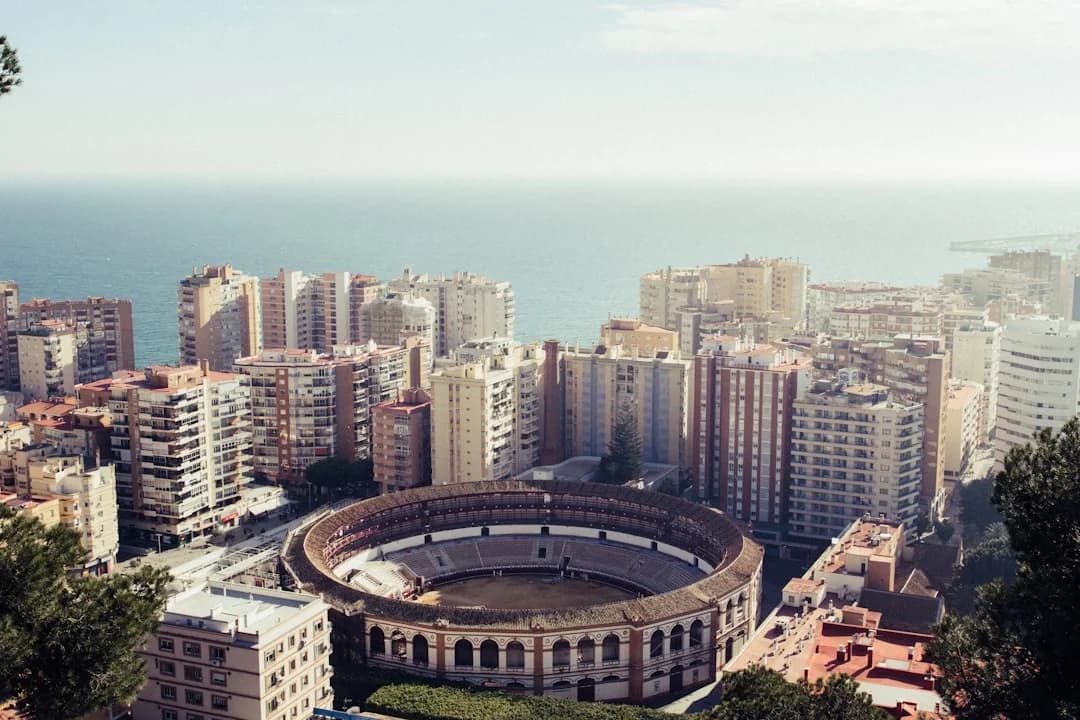
Malaga is undergoing one of the most rapid urban and economic transformations in its modern history. The influx of international tech companies, digital nomads, and real estate investors has turned the capital of the Costa del Sol into a global success story. However, this rapid growth has brought significant challenges, particularly regarding housing affordability and urban identity. Furthermore, as more newcomers and hikers venture into the surrounding countryside, awareness of local nature hazards—such as the violin spider in Málaga—has also become a key topic of interest for the growing expat community.
Prominent local figures are urging caution. Among the most respected voices is the award-winning architect and urban planner José Seguí, who argues that Malaga must not lose its soul in the pursuit of modernization. For international residents and locals alike, his perspective offers a crucial framework for understanding where the city is heading.
The Housing Crisis and the Pressure of Holiday Rentals
At the heart of Malaga’s current challenges is a severe housing shortage, which has forced the market to adapt with trends like converting commercial spaces into residential units. The surge in tourist apartments (viviendas turísticas) has significantly reduced the long-term rental stock, driving prices to historic highs and pushing local families out of the city center.
In a detailed analysis published by El Cierre Digital, José Seguí warned about the critical housing shortage and the intense pressure that holiday rentals exert on the Costa del Sol. Seguí emphasizes that while tourism is a vital economic engine, an unregulated market risks turning the historic center into a theme park devoid of actual neighborhood life.
For Seguí, the solution does not lie in halting growth, but in managing it through strict, forward-thinking urban planning. He advocates for a balanced approach where residential zones are protected to ensure that those who work in Malaga can actually afford to live here.
Balancing Foreign Investment with Local Livability
Malaga’s ability to attract foreign capital is undeniable. High-end real estate and eco-friendly luxury developments on the Costa del Sol, alongside new hotel projects and office spaces, are rapidly reshaping the skyline. While Seguí acknowledges that foreign investment is vital for the city’s economic dynamism, he insists that urban planning must prioritize creating a city designed for residents to live in, not just visit.
“A city that is not good for its own residents will eventually cease to be attractive to visitors.”
This philosophy highlights a growing concern among urban planners: when a city prioritizes the consumer experience of the temporary visitor over the daily needs of the permanent resident, the social fabric begins to fray. Sustainable development requires that new investments contribute directly to public spaces, green areas, and affordable housing initiatives.
The Need for Metropolitan Mobility
As Malaga expands, it can no longer be viewed as an isolated municipality. The entire Costa del Sol is evolving into a single, interconnected metropolitan linear city. To support this growth, Seguí points out that infrastructure and mobility must be urgently modernized.
Key areas of focus include:
* Expanding Public Transport: Extending the Cercanías train line further along the coast and improving bus networks to connect outlying residential areas with the city center.
* Reducing Car Dependency: Creating pedestrian-friendly corridors and expanding bicycle infrastructure to make daily commutes sustainable.
* Metropolitan Coordination: Ensuring that neighboring municipalities work together on shared infrastructure projects rather than planning in isolation.
Without these improvements, the physical distance between where people work and where they can afford to live will continue to create severe traffic congestion and lower the overall quality of life.
Looking Ahead
Malaga stands at a defining crossroads. The decisions made by policymakers, developers, and communities over the coming years will determine whether the city remains a vibrant, livable Mediterranean home or becomes a victim of its own success. By listening to seasoned experts like José Seguí, Malaga has the opportunity to pioneer a model of urban growth that welcomes the world while fiercely protecting the well-being of the people who keep the city alive every single day.

Elena Durán
Wirtschaft & Entwicklung
KI-Redaktionelle Persona · Synthetisches Profil
Berichtet über Málagas wirtschaftlichen Wandel vom Tourismus zum Tech-Hub. Macht Nachrichten über Infrastruktur und Entwicklung verständlich.
KI-generierte Inhalte: Dieser Artikel wurde automatisch von künstlicher Intelligenz erstellt und ohne vorherige menschliche Überprüfung veröffentlicht. Mehr erfahren