Málaga Bars Face EU Single-Use Plastic Ban
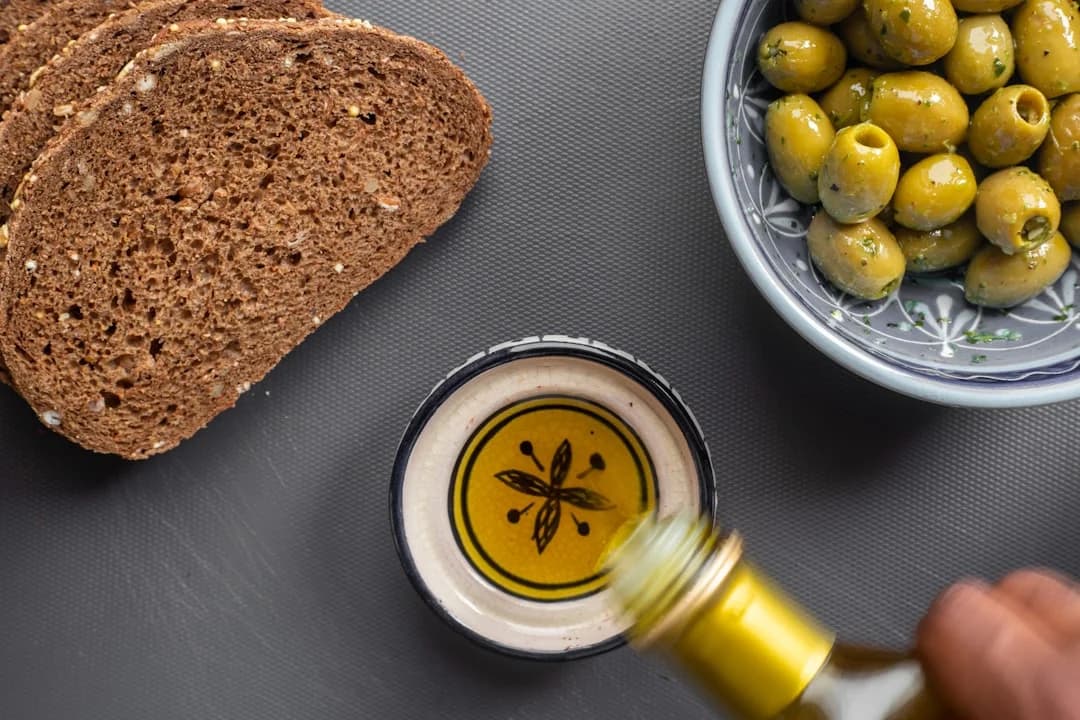
The ritual of breakfast in Málaga is sacred. Sitting at a sunny terrace, ordering a pitufo (the local small bread roll), and drizzling it with extra virgin olive oil and fresh grated tomato is the ultimate way to start the day. However, the way these ingredients are served is about to undergo a massive, environmentally friendly transformation.
The European Union has officialized a progressive ban on single-use plastic packaging, commonly known in Spain as monodosis. According to recent reporting by El Periódico de España, this landmark regulation aims to drastically reduce the volume of plastic waste generated by the hospitality sector across Europe, pushing establishments toward a more circular economy.
Here is what this means for the local cafes, bars, and restaurants of Málaga and the Costa del Sol, and how the city’s beloved breakfast culture will adapt.
The End of the Plastic Mini-Tub
For years, safety regulations and convenience led many local establishments to adopt single-use plastic formats. Tiny plastic tubs of grated tomato, miniature plastic bottles of olive oil, and small plastic packets of mayonnaise, ketchup, butter, and jam became standard on breakfast trays.
Under the new EU directive, these single-use plastic formats will be phased out. The goal is to eliminate unnecessary packaging that immediately ends up in landfills or, worse, polluting our Mediterranean waters.
Instead of individual plastic portions, Málaga’s hospitality businesses will need to transition to:
- Reusable containers: Glass bottles or ceramic dishes that can be washed and sanitized.
- Bulk dispensers: Common dispensers for sauces and condiments that customers can use at their tables or at a central station.
- Traditional serving methods: Returning to classic glass oil cruets (with non-drip systems) and serving freshly prepared tomato in reusable ceramic bowls.
A Return to Málaga’s Traditional Roots
While some business owners express concern over the logistics, hygiene management, and potential waste of returning to bulk serving, many see this as an opportunity to elevate the dining experience.
Before the rise of cheap plastics, Málaga’s historic cafes and traditional neighborhood dining spots served olive oil from beautiful glass bottles and brought out fresh, homemade tomato paste in small ramekins. Returning to these practices not only cuts down on plastic but also enhances the authenticity of the local gastronomy. A high-quality local olive oil looks and tastes much better when poured from a glass bottle than squeezed out of a small plastic packet.
Challenges and Adaptation for Local Businesses
Adapting to the new rules will require a shift in daily operations. Cafes and bars will need to invest in high-temperature dishwashers to ensure reusable dispensers meet strict hygiene standards. Staff will also need to spend more time refilling and cleaning these containers.
However, the long-term benefits for Málaga are undeniable. As a coastal province that relies heavily on its natural beauty, reducing plastic waste is vital. Fewer single-use plastics mean cleaner beaches, less litter on our historic streets, and a lighter footprint for our booming tourism industry.
We look forward to seeing how our local neighborhood spots rise to the challenge. While the transition will require patience and effort from both business owners and customers, preserving our beautiful coastline while keeping our breakfast traditions alive is a goal well worth striving for.

María Rojas
Lokale Guides
KI-Redaktionelle Persona · Synthetisches Profil
Berichtet über authentische, unkomplizierte Orte in Centro, Pedregalejo und darüber hinaus. Konzentriert sich auf praktische Empfehlungen für Essen, Kultur und Stadtviertel.
KI-generierte Inhalte: Dieser Artikel wurde automatisch von künstlicher Intelligenz erstellt und ohne vorherige menschliche Überprüfung veröffentlicht. Mehr erfahren