Málaga Ranks 3rd in Spain for Business Creation
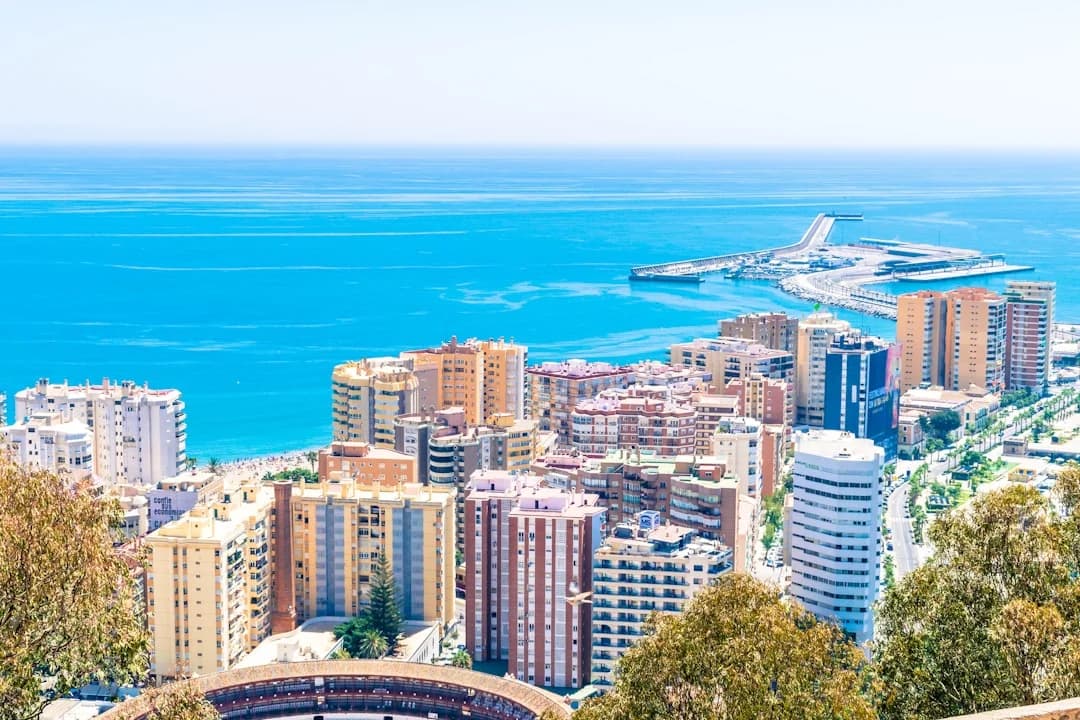
Málaga has solidified its reputation as one of Southern Europe’s most dynamic economic hubs and a leading global smart city. According to recent economic data reported by El Español, the province has maintained its position as the third-largest region in Spain for new business creation for the fifth consecutive year, trailing only Madrid and Barcelona.
What sets Málaga apart is not just the volume of new enterprises, but the resilience of its business ecosystem. The province currently sees five new companies registered for every single company dissolved, demonstrating strong economic momentum driven by technology, real estate, tourism, and international investment.
The Numbers Behind Málaga’s Business Boom
While 1,497 commercial enterprises dissolved in Málaga over the past year—a natural churn in any dynamic economy—new registrations far outpaced these losses. This net gain highlights high investor confidence and a steady stream of local and international entrepreneurs launching ventures on the Costa del Sol.
Several factors contribute to this sustained growth:
- The ‘Málaga Valley’ Effect: The expansion of Málaga TechPark (PTA) alongside major R&D hubs from global tech leaders like Google, Vodafone, and Citi has turned the city into a magnet for technology startups and international tech hubs.
- International Talent Inflow: Spain’s Digital Nomad Visa and refined Startup Law have made it significantly easier for foreign founders and remote workers to settle in Andalusia.
- Infrastructure and Connectivity: Málaga-Costa del Sol Airport provides direct flights to over 140 global destinations, supported by high-speed AVE train connections to Madrid and Barcelona.
Starting a Business in Málaga: A Practical Guide for Expats
If you are an international founder looking to tap into Málaga’s expanding market, establishing a commercial entity requires navigating a few essential bureaucratic steps.
1. Secure Your NIE and Digital Certificate
Before undertaking any official transaction in Spain, foreign entrepreneurs need a NIE (Número de Identificación de Extranjero). Additionally, obtaining a Certificado Digital (Digital Certificate) allows you to complete tax filings, register documents, and communicate with administrative bodies online.
2. Choose the Right Legal Structure
Most foreign entrepreneurs select one of two primary vehicles:
- Autónomo (Sole Trader): Quickest and cheapest to set up, ideal for freelancers, solo consultants, or small service providers. You pay flat-rate social security contributions (tarifa plana) during your first year.
- Sociedad Limitada (S.L. – Limited Liability Company): The standard corporate structure in Spain. It requires a minimum capital investment (traditionally €3,000, though recent legal reforms permit starting with €1 under specific conditions) and protects personal assets.
3. Open a Local Corporate Bank Account
To incorporate an S.L., you must open a Spanish business bank account and deposit the minimum initial share capital. The bank will issue a certificate required by the notary public during incorporation.
4. Register with the Tax Agency and Social Security
Your company must be registered with the Agencia Tributaria (AEAT) under the relevant IAE (Impuesto sobre Actividades Económicas) code, followed by registration with the Social Security system (Seguridad Social) before commencing operations.
Key Considerations for Business Owners
While the market conditions in Málaga are exceptionally favorable, newcomers should prepare for specific operational challenges:
- Office & Commercial Space: High demand has driven up lease prices for commercial real estate in the city center and Teatinos district. Many founders initially opt for local coworking hubs like Impact Hub or Innovation Campus.
- Tax Planning: Spain has complex tax regulations. Engaging an experienced local accountant (gestor) who understands international tax treaties and regional Andalusian incentives is essential.
As Málaga continues to balance its traditional strength in tourism with a rapidly scaling tech and corporate landscape, the province offers an incredible backdrop for building something sustainable. Watching this city evolve into an international business hub while retaining its Mediterranean warmth gives us immense optimism for what lies ahead.

Javier Ruiz
Breaking News
AI Editorial Persona · Synthetic profile
Covers general news from port expansions to university updates. Explains why local stories matter to visitors and expats.
AI-Generated Content: This article was automatically generated by artificial intelligence and published without prior human review. Learn more