Málaga Business Fines: €3,000 Risk for Opening Hours
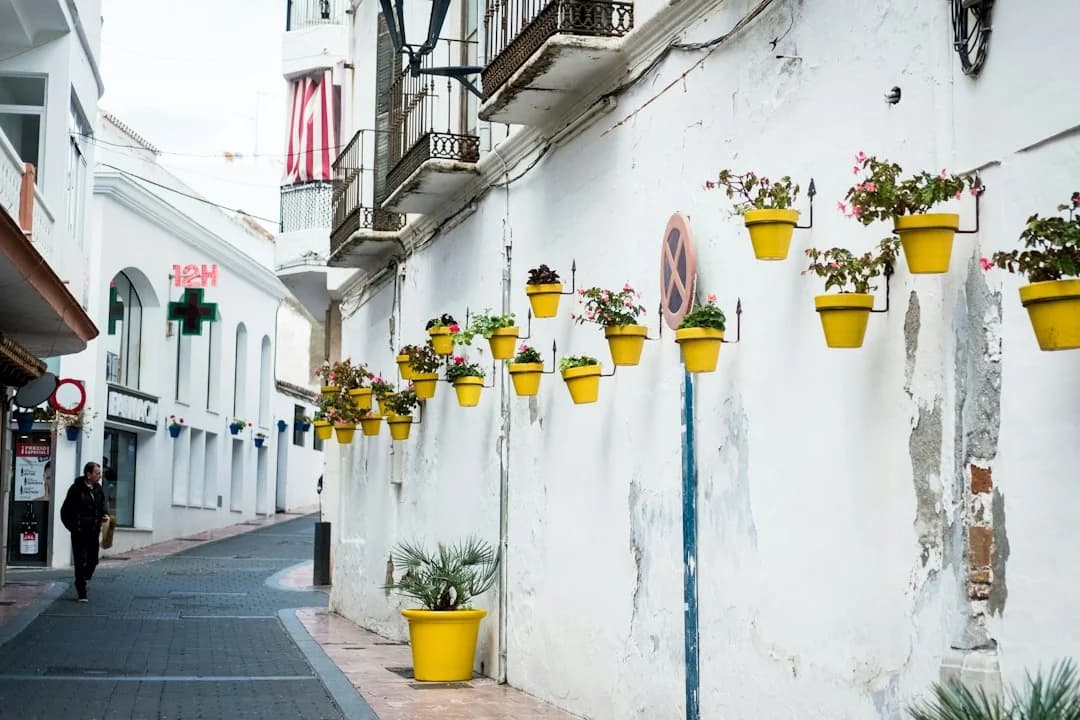
Navigating Málaga’s Strict Municipal Schedule Ordinances
Málaga’s booming local economy and vibrant international community continue to attract ambitious entrepreneurs from around the globe. Whether immersing themselves in the local culture—from following community news like the recent Spain U21 call-up that omitted Málaga CF youth prospects to enjoying the region’s enviable lifestyle—newcomers quickly integrate into the city’s dynamic rhythm. From boutique coffee shops in Soho to bustling tapas bars in the Historic Center and coastal retail stores along Pedregalejo, foreign-owned businesses add immense value to the local landscape. However, running a commercial venture in Spain comes with detailed legal obligations that differ significantly from those in the UK, Northern Europe, or North America.
Local authorities across the region have stepped up municipal inspections aimed at verifying business operating hours. Unwary store managers and hospitality operators who fail to adhere strictly to authorized operating schedules face steep fines of up to €3,000, according to coverage by Telecinco.
For expat business owners, understanding and strictly enforcing these schedules is essential to protect capital, maintain operational continuity, and build good standing with local neighborhood associations.
Why Expat Entrepreneurs Get Caught Out
Many international business owners assume that as long as customers are inside and quiet, keeping the doors open slightly past closing time is harmless. In Spain, municipal regulations treat commercial opening hours as a legal boundary tied directly to public order, urban coexistence, and labor laws.
Common pitfalls include:
- Assuming retail freedom applies universally: While large surface stores and tourist-designated zones enjoy broader flexibility, independent boutique shops and standard commercial premises remain bound by specific daily maximums.
- Confusing indoor schedules with terrace limits: Outdoor seating (terrazas) almost always has an earlier closing mandatory deadline than indoor dining areas to prevent night-time acoustic nuisance.
- Misinterpreting cleanup time: Municipal inspectors consider a business “open” if clients remain inside or if service is still being rendered, even if the main doors are locked or half-closed.
- Failing to display the mandatory schedule plaque: Local law requires commercial establishments to display their officially authorized operating hours visibly at the entrance.
Hospitality vs. Retail: Understanding the Differences
Operating hours in Málaga depend on the specific license category (licencia de apertura) granted to your premises by the Ayuntamiento de Málaga or relevant local municipality.
1. Hospitality Establishments (Hostelería)
Cafes, restaurants, and bars fall under regional Andalusian hospitality frameworks alongside municipal acoustic protection bylaws.
- Indoor Operations: Standard establishments generally must cease service and clear premises by designated night-time limits (typically 1:00 AM or 2:00 AM on weekends/holidays, depending on the precise license classification).
- Terraces (Terrazas): Outdoor seating areas usually face strict early cut-offs, often midnight on weekdays and 1:00 AM on weekends. Leaving tables or chairs setup or serving customers on the street past these times invites immediate sanctions.
- Nightclubs and Bars with Music (Pubs y Discotecas): Possess extended schedules, but require specialized soundproofing certifications and security measures.
2. Commercial Retail Stores (Comercio)
Retail establishments must navigate regional Andalusian trading hour laws. Standard retail businesses can open up to a maximum number of hours per week, with regulated closing times on Sundays and public holidays, unless located in designated High Tourist Influx Zones (Zonas de Gran Afluencia Turística).
Fine Categories and Financial Consequences
Sanctions for non-compliance are categorized under municipal ordinances and regional public entertainment laws into three main tiers:
- Minor Infringements: Staying open slightly past authorized hours or failing to display required schedule signage. Fines typically range from €300 to €750.
- Serious Infringements: Repeatedly exceeding closing times, operating outdoor terraces past limits, or refusing to clear customers. Fines range from €751 to €3,000.
- Very Serious Infringements: Persistently operating without the required schedule license, severe public disturbance, or operating music/entertainment past authorized thresholds. Fines can surpass €3,000 and lead to temporary license suspension or closure orders.
Steps to Ensure Complete Schedule Compliance
To safeguard your enterprise against costly fines, consider taking these proactive management steps:
- Audit Your Activity License (Licencia de Apertura): Ensure you possess the exact documentation detailing your permitted activity and hours. If you inherited or acquired an existing lease, verify that the license matches your current business model.
- Post Clear Public Signage: Install a clear, legible schedule sign at the main entrance detailing daily opening and closing hours in English and Spanish.
- Implement a Strict Last-Call Policy: Establish firm internal procedures. Stop serving drinks or taking orders at least 30 minutes before your mandatory legal closing time, allowing ample time for patrons to depart comfortably.
- Clear Outdoor Spaces Promptly: Ensure staff begin stacking terrace tables and chairs precisely at the outdoor curfew, regardless of indoor dining activity.
- Consult Local Legal Experts (Gestores): Before adjusting opening times for special events or seasonal demands, consult your administrative manager (gestor) or legal advisor to ensure local permits cover the change.
Building a thriving business in Málaga requires balancing welcoming hospitality with rigorous compliance. By respecting local ordinances, business owners ensure sustainable success while maintaining harmony within the community we all call home.

Elena Durán
Economy & Development
AI Editorial Persona · Synthetic profile
Covers Málaga's economic transformation from tourism to tech hub. Makes infrastructure and development news understandable.
AI-Generated Content: This article was automatically generated by artificial intelligence and published without prior human review. Learn more