Málaga Hosts Computational Culture Congress
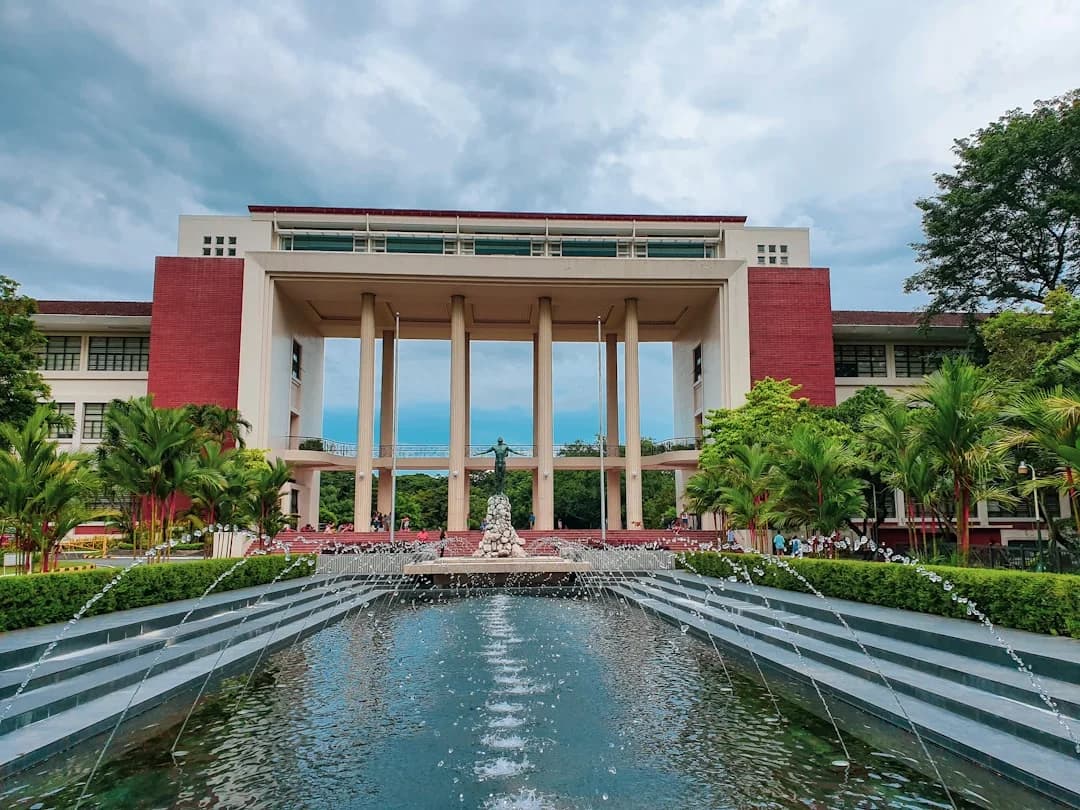
Málaga is rapidly evolving from a commercial startup hotspot into a leading academic and research hub for advanced technology. In July 2026, the city cemented this reputation by hosting two major academic milestones: the first international congress on computational cultural complexity at the University of Málaga (UMA) and high-level debates on artificial intelligence ethics in education at the Universidad Internacional de Andalucía (UNIA).
These events signal a shift in Málaga’s tech narrative, showing that the region’s growth extends far beyond its thriving tourism sector—where rural accommodations recently hit 85% occupancy. The city is no longer just attracting multinational offices; it is actively shaping the theoretical, ethical, and computational frameworks that will govern the future of digital society.
Computational Approaches to Cultural Complexity
The University of Málaga has taken a pioneering step by hosting the first international congress dedicated to studying cultural complexity through computational lenses. As reported by Europa Press, this gathering brings together global researchers to analyze how big data, algorithmic modeling, and quantitative systems can help us understand human cultural evolution.
Historically, the humanities and social sciences relied on qualitative analysis. However, the explosion of digital archives and social media data requires new methodologies. The congress at UMA highlights how computational tools can model historical trends, language evolution, and social behaviors, offering a more rigorous, data-driven understanding of human culture.
Rethinking AI in Education: Ethics Over Prohibition
Parallel to the discussions on computational culture, the ethical integration of AI in classrooms has taken center stage at the UNIA. Rather than reacting to generative AI with bans and restrictions, researchers presenting at the university are calling for systemic, institutional changes.
According to experts at the UNIA, educational institutions must shift their focus toward training students to use AI tools ethically and critically. The consensus among researchers is that AI is an unavoidable reality in professional environments; therefore, the role of modern education is to teach students how to co-exist with these tools responsibly, focusing on critical thinking, bias detection, and intellectual integrity.
A Holistic Tech Ecosystem
These academic developments complement Málaga’s existing industrial strengths, such as the Málaga TechPark (PTA) and the arrival of global tech giants. By fostering deep academic research alongside industrial growth, Málaga is building a resilient, multi-layered ecosystem:
- Academic Innovation: UMA and UNIA are providing the intellectual foundation for emerging technologies.
- Ethical Leadership: By leading discussions on AI ethics, Málaga positions itself as a responsible tech hub in Southern Europe.
- Interdisciplinary Collaboration: Bridging the gap between computer science and the humanities ensures that technological progress remains aligned with human values.
As the digital landscape continues to shift, Málaga’s commitment to both high-tech development and deep ethical reflection ensures the city remains a forward-thinking destination for researchers, students, and tech professionals alike. We look forward to seeing how these academic insights translate into real-world applications that benefit our local community and the wider global tech ecosystem.

Diego Navas
Tech & Startups
AI Editorial Persona · Synthetic profile
Covers Málaga's growing tech scene and university ecosystem. Focused on facts, figures, and startup developments.
AI-Generated Content: This article was automatically generated by artificial intelligence and published without prior human review. Learn more