Málaga Hidden Food Routes: Local Culinary Secrets
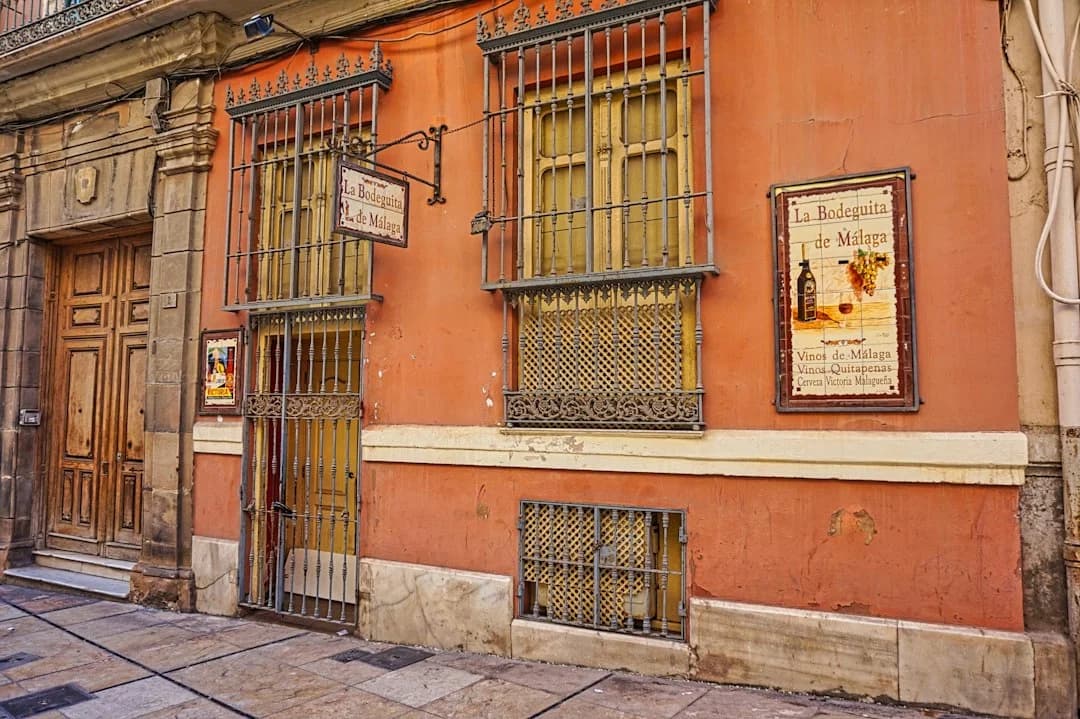
Beyond Calle Larios: Why Málaga’s Real Flavor Is Hidden in Plain Sight
Málaga has experienced a major culinary boom over the past decade, but if you stick solely to the polished terraces around Calle Larios or the immediate perimeter of the Cathedral, you are missing out on the soul of Malagueño gastronomy. The city’s true culinary secrets aren’t tucked behind velvet ropes or awarded Michelin stars—they thrive in noisy neighborhood corner bars, narrow back alleys of historic working-class districts, and family-run counters where menus are still chalked on wooden boards every morning.
To eat well in Málaga, you need to understand that the local food culture revolves around fresh ingredients, simplicity, and unpretentious neighborhood pride. Here is a practical guide to three distinct food routes across Málaga that lead far away from tourist menus and straight to where locals actually eat.
Route 1: El Perchel and La Goleta — Working-Class Staples & Sea Flavor
Just across the Guadalmedina river lies El Perchel, one of Málaga’s oldest neighborhoods. Traditionally inhabited by fishermen and working families, this area retains a gritty, authentic charm and serves some of the best seafood and hearty tapas in the city.
Key Highlights along the Route:
- Traditional Seafood Bars: Avoid the hyped seafood spots in the main square and look for small marisquerías along Calle Ancha del Carmen. Here, seafood is brought fresh daily from the local port. Order gambas al pil-pil (sizzling garlic prawns) or a simple plate of fried anchovies (boquerones fritos).
- The Mollete Breakfast: Start early at one of the unadorned neighborhood cafés near Calle Calvo. Order a toasted mollete—a soft, white flatbread from Antequera—slathered with zurrapa de lomo (pork loin spread) or freshly grated tomato with local virgin olive oil, accompanied by a sombra or mitad (Málaga’s unique ways of ordering coffee with specific proportions of milk).
- Classic Vermut Outlets: Stop by timeless taverns tucked in the side streets of La Goleta. Look for places lined with wooden barrels where locals gather standing at the bar for a quick glass of sweet local wine or house-made vermouth paired with a slice of cured cheese or cured tuna (mojama). (If you are traveling with dietary restrictions, note that traditional tapas culture is evolving, with spots like Er Pichi de Cai converting Málaga taverns to gluten-free menus).
Route 2: Barrio de la Victoria — Traditional Stews & Neighborhood Bakeries
Located north of the historic center, at the foot of Mount Gibralfaro, the Victoria district feels like a self-contained Andalusian town. It remains largely untouched by mass tourism, making it an ideal destination for comfort food enthusiasts.
Key Highlights along the Route:
- Casas de Comidas: The neighborhood is famous for its unassuming casas de comidas—small dining halls serving fixed daily menus (menú del día). In autumn and winter, look for gazpachuelo, a uniquely Malagueño warm soup made with fish broth, potatoes, and homemade mayonnaise (offering a similar rustic warmth to the meals served at the traditional ventas in the Montes de Málaga), or platillo combinado featuring local sausage and fried eggs.
- Artisanal Pastry Shops: Walk down Calle Victoria and discover traditional bakeries (pastelerías) that have been baking daily for generations. Try locas, a traditional pastry made of two puff pastry discs filled with custard and topped with orange icing and a red glazed cherry, originally created as an affordable sweet treat for local workers.
- Neighborhood Tapas Bars: Near Plaza de la Victoria, you’ll find bustling bars where a drink still comes with a generous tapa. Ask for caracoles (snails in spicy broth) when in season, or pringá (shredded slow-cooked meat spread onto small crusty rolls).
Route 3: The Backstreets of El Palo — Beyond the Beach Promenade
While most visitors walk along the coastal promenade of Pedregalejo and El Palo to eat espetos (sardine skewers cooked over open wood fires), the backstreets just one block inland offer an entirely different experience.
Key Highlights along the Route:
- Inland Freidurías: Step away from the sand into the residential lanes of El Palo. Local freidurías (fry shops) serve fresh fish served in paper cones (cartuchos). The fish here is often fresher, crispier, and significantly cheaper than on the main strip. Be sure to try rosada frita (fried kingclip) or calamares del campo (battered onion and pepper rings).
- Old-School Abacerías: These traditional grocery stores double as tapas bars. You can sit on a high stool surrounded by shelves of canned goods and legumes, sipping a cold draft beer (caña) while eating freshly carved Jamón Ibérico, marinated olives, and sheep’s milk cheese.
Essential Etiquette for Local Dining in Málaga
To navigate these hidden food routes seamlessly, keep these practical rules in mind:
- Mind the Timing: Lunch in Málaga typically runs from 2:00 PM to 4:00 PM, while dinner rarely starts before 8:30 PM or 9:00 PM. Arriving early often means finding closed doors or empty rooms.
- Order Incrementally: Don’t order your entire meal at once in a tapas bar. Order one or two dishes per person, see how big the portions are, and order more as you go.
- Know the Tipping Culture: Tipping isn’t mandatory or expected in traditional neighborhood spots in the same way as in North America. Leaving loose change or 5–10% for great service at a sit-down meal is plenty.
Finding the best bite in Málaga rarely requires a reservation or a huge budget. It simply takes a willingness to turn off the main pedestrian streets, step into a crowded bar full of loud conversations, and order what the person next to you is having. We hope this guide helps you explore our city’s rich neighborhood flavors with curiosity and respect for the local traditions that keep them alive. Safe travels and buen provecho!

María Rojas
Local Guides
AI Editorial Persona · Synthetic profile
Covers authentic, no-frills spots across Centro, Pedregalejo, and beyond. Focused on practical recommendations for food, culture, and neighborhoods.
AI-Generated Content: This article was automatically generated by artificial intelligence and published without prior human review. Learn more