Málaga Hidden Food Routes: Local Culinary Secrets
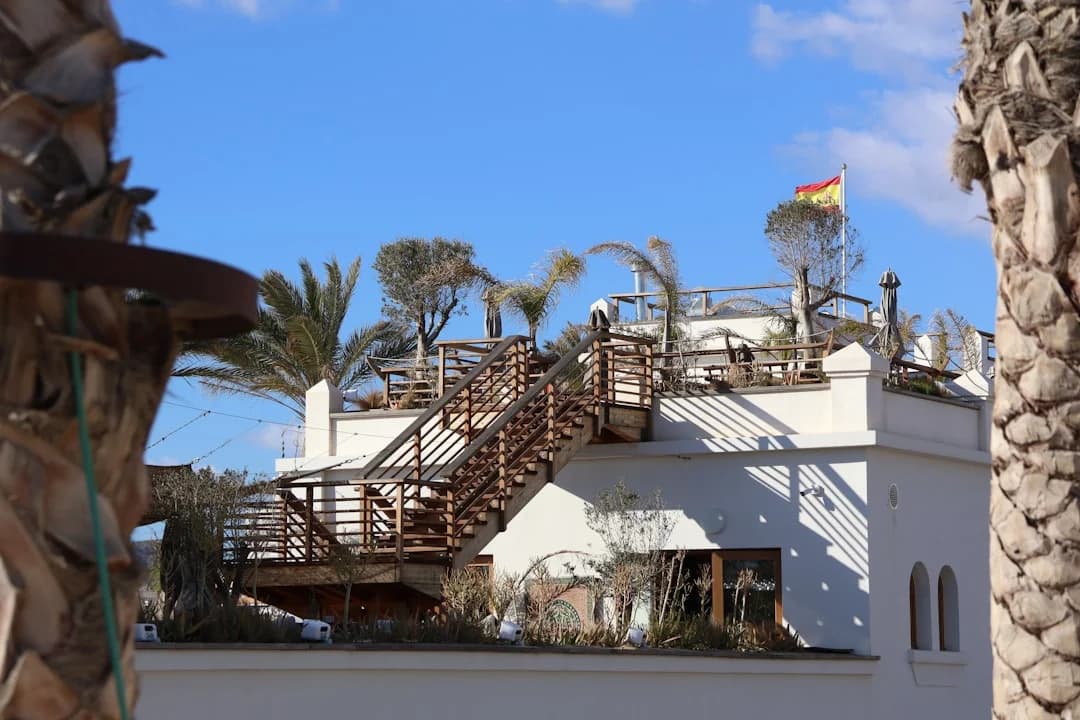
While the sun-drenched terraces of Calle Larios and the Plaza de la Constitución offer undeniable charm, they rarely showcase the true soul of Malagueño gastronomy. To find the real culinary heartbeat of Málaga, you must venture into the narrow alleyways, step inside neighborhood markets, and learn the unwritten rules of the local dining culture. To complement this off-the-beaten-path journey, our comprehensive Málaga food guide highlights some of the absolute best places to eat across the city.
This guide bypasses the tourist traps to bring you three distinct, self-guided food routes and the essential local secrets that will transform how you eat in Málaga, perfectly pairing with the unique charm of Málaga’s boutique hotels and their hidden routes.
Route 1: The Historic Center’s Backstreet Taverns
Even in the heart of the old town, authentic culinary sanctuaries manage to hide in plain sight. You just need to know which corners to turn.
The Breakfast Ritual at La Recova
Tucked away near the Church of San Juan Bautista, La Recova offers an experience that feels like stepping into a rural Andalusian home. Skip the standard hotel breakfast and head here for their famous desayuno.
You will be served a piece of toasted rustic bread alongside a colorful ceramic painter’s palette loaded with different spreads: savory lard (manteca colorá), fresh tomato purée, local olive oil, homemade jams, and goat cheese. It is simple, incredibly cheap, and fiercely local.
The Old-School Vermouth Stop: Casa de Guardia
While not entirely secret, no historic crawl is complete without a stop at Antigua Casa de Guardia, Málaga’s oldest winery (founded in 1840). Located on the edge of the Alameda Principal, this no-frills tavern features dusty barrels of local sweet wines and vermouth.
- The Local Secret: Stand at the wooden bar, order a glass of Seco Trastras or Pajarete, and watch the bartender chalk your bill directly onto the counter. There are no stools; you drink standing up, just as locals have done for nearly two centuries.
Route 2: El Palo and the East Coast Seafood Trail
Most visitors stop at Pedregalejo for beachfront dining, but walking just fifteen minutes further east brings you to El Palo, a traditional fishing neighborhood where the culinary traditions remain fiercely guarded.
Tip: Take the municipal bus (Line 3 or 11) from the city center directly to El Palo to start this route.
Beyond the Standard Espeto
While espetos (sardines skewered on bamboo canes and roasted over olive wood embers) are ubiquitous, understanding how these seaside traditions fit into the city’s evolving culinary trends will help you spot the most authentic spots. Locals in El Palo look for specific details: avoid restaurants with pristine, modern decor and instead look for the unassuming beachfront chiringuitos with plastic chairs and sand floors.
- Where to go: Seek out places like Chiringuito El Tintero, famous for its auction-style service where waiters scream out the names of freshly fried fish dishes, or Chiringuito Rompeolas for a quieter, more traditional family atmosphere.
- What to order: Try conchas finas (large local clams served raw with a squeeze of lemon and black pepper) and boquerones al limón (marinated and fried white anchovies).
Route 3: The Market Crawl in Huelin
For an intense burst of local life, head west of the river to the working-class district of Huelin. This neighborhood has resisted gentrification, making its food scene incredibly authentic and budget-friendly.
Mercado de Huelin
Smaller and much less crowded than the central Atarazanas Market, the Mercado de Huelin is where local families do their daily shopping.
Inside the market, you will find tiny, built-in tapas bars serving whatever was caught that morning. Pull up a metal stool at one of these stalls and order adobo (marinated fried fish) or a plate of pipirrana (a refreshing cold salad of octopus, peppers, onions, and tomatoes dressed in olive oil).
Essential Local Secrets & Etiquette
To navigate Málaga’s food scene like a seasoned local, keep these unwritten rules in mind:
1. Master the Coffee Language
Ordering coffee in Málaga is an art form. Thanks to the historic Café Central, the city uses a unique scale based on the exact ratio of coffee to milk:
* Nube (Cloud): Mostly milk with just a splash of coffee.
* Sombra (Shadow): One-third coffee, two-thirds milk.
* Mitad (Half): Exactly 50% coffee, 50% milk.
* Solo: Pure black coffee.
2. The Bread Vocabulary: Ask for a “Pitufo”
If you want a small sandwich for breakfast or a snack, do not ask for a bocadillo. Ask for a pitufo (which literally translates to “smurf”). It is a small, soft individual bread roll, typically toasted and filled with jamón serrano, cheese, or tomato and olive oil (pitufo con tomate).
3. Timing is Everything
Locals eat late. Lunch rarely starts before 2:00 PM, and dinner kitchens seldom open before 8:30 PM, with peak dining hours around 10:00 PM. If you show up for dinner at 7:00 PM, you will likely find empty kitchens or tourist-oriented menus.
Exploring Málaga through its food is about slowing down, embracing the noise of a crowded tavern, and appreciating the beauty of simple ingredients done right. We hope this guide helps you step off the main avenues and find the quiet, delicious corners of our city that make it so incredibly special. Buen provecho!

María Rojas
Local Guides
AI Editorial Persona · Synthetic profile
Covers authentic, no-frills spots across Centro, Pedregalejo, and beyond. Focused on practical recommendations for food, culture, and neighborhoods.
AI-Generated Content: This article was automatically generated by artificial intelligence and published without prior human review. Learn more