Málaga Housing Hits Record High Amid Major Urban Overhauls
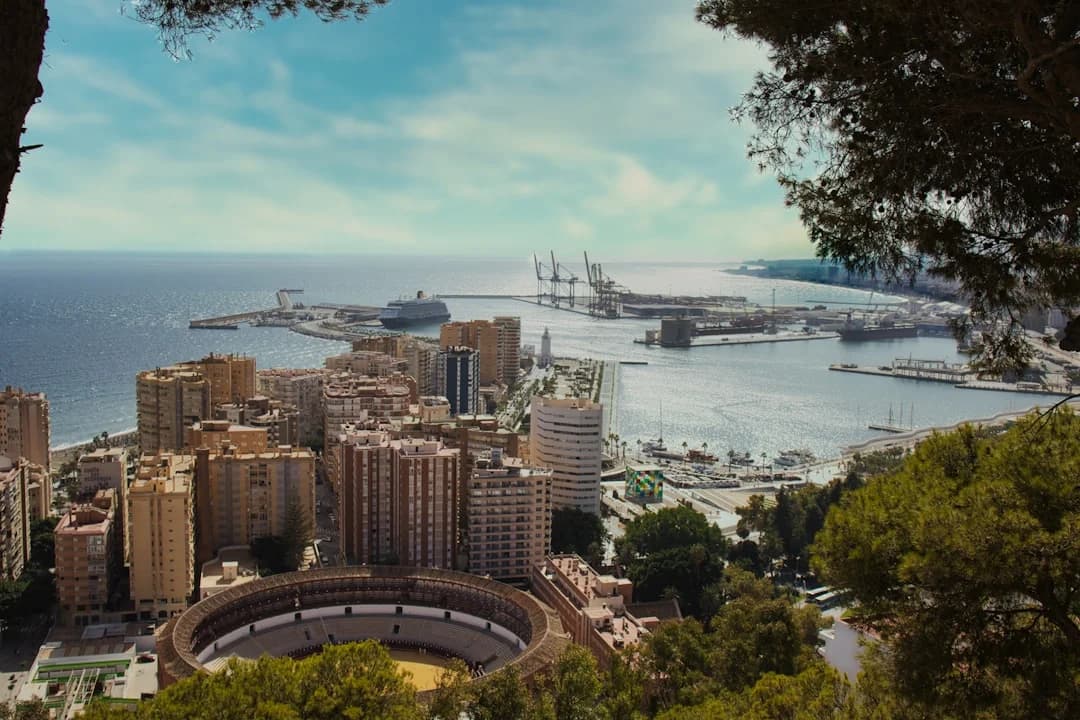
The Málaga Paradox: Rising Costs and Urban Evolution
Málaga is experiencing a defining moment in its modern history. The city’s rapid transformation into a southern European technology and cultural hub has brought undeniable economic vitality. However, this success has triggered a severe housing affordability crisis, leading to unexpected trends like the rise of motorhomes as alternative housing. By mid-2026, the cost of living and buying property in the capital of the Costa del Sol has reached unprecedented levels, sparking intense debate about the city’s future social fabric.
To counter the pressures of rapid growth and traffic congestion, the Málaga City Hall (Ayuntamiento) has launched a series of high-budget urban and mobility interventions. The goal is to modernize the city’s aging infrastructure, but these upgrades may further influence property dynamics in the surrounding areas.
Property Prices Hit an All-Time High in June 2026
The latest real estate data paints a stark picture for those looking to buy property in the province. According to a recent analysis by España es Voz, the average price of pre-owned housing in the province of Málaga reached a historic milestone in June 2026, climbing to €3,784 per square meter.
This milestone solidifies Málaga’s position as one of Spain’s most expensive real estate markets, moving further away from national averages. The search term precio metro cuadrado Malaga 2026 has become a focal point for prospective buyers, investors, and locals alike.
For those looking at comprar casa Malaga zonas caras, traditional premium districts like El Limonar, La Malagueta, and the historic center continue to command premium prices that are increasingly out of reach for average local earners. The demand is driven not just by local buyers, but by a steady influx of international buyers, digital nomads, and remote workers drawn to the city’s climate and lifestyle. This growth has also prompted local authorities to step up security, recently deploying additional police officers to manage summer safety.
Tackling Traffic: The €27 Million Valle-Inclán Tunneling Project
As the population grows, so does the strain on the city’s road networks. In response, the Ayuntamiento has announced a major infrastructure initiative: a €27 million project dedicated to the partial tunneling (soterramiento) of Avenida Valle-Inclán.
These crucial obras Valle Inclan Malaga are designed to eliminate chronic traffic bottlenecks in one of the city’s main arterial routes. Key details of the project include:
- Investment: €27 million allocated from municipal budgets.
- Timeline: Construction works are projected to extend through to 2030.
- Objective: To improve traffic flow, reduce noise pollution, and reconnect neighborhoods previously divided by heavy surface traffic.
While the long-term benefits of this project are clear, residents in the northern and western districts face several years of construction-related disruptions as the city works toward its 2030 mobility goals.
€30 Million for Neighborhood Regeneration: Focus on Lagunillas and Centro
Simultaneously, the city is turning its attention to neighborhood rehabilitation. A €30 million fund has been earmarked to renovate several key neighborhoods in the Distrito Centro, including Lagunillas, Las Flores, and Cruz del Humilladero.
The renovacion Lagunillas Malaga is particularly notable. Once a neglected enclave adjacent to the historic center, Lagunillas has slowly transformed into a vibrant, arts-focused neighborhood. The planned municipal investments aim to upgrade basic infrastructure, pave streets, and improve public lighting without stripping the area of its bohemian character.
As part of this wider initiative, specific street-level projects are already getting underway. As reported in the local press regarding municipal updates on La Opinión de Málaga, the City Hall has allocated €450,000 specifically for the comprehensive renovation of Calle Cobertizo del Conde (for more details on this specific street project, see the official report on La Opinión de Málaga). This project will focus on creating more pedestrian-friendly spaces, upgrading underground utilities, and improving accessibility in a highly dense urban pocket.
The Analytical View: What This Means for Málaga’s Future
The juxtaposition of record-breaking housing prices and massive public spending on infrastructure highlights the delicate balance Málaga must strike.
On one hand, upgrading public spaces, burying congested highways, and paving historic streets are necessary steps to keep the city liveable and modern. On the other hand, these public investments frequently lead to “urban appreciation.” When a neighborhood like Lagunillas or Cruz del Humilladero receives millions of euros in public upgrades, property values in those areas typically rise, potentially accelerating gentrification and pushing long-term residents further to the periphery.
For investors, the combination of high demand and ongoing municipal improvements makes Málaga an attractive, low-risk bet. For locals, however, the challenge of finding affordable housing remains the most pressing issue of the decade.
As Málaga navigates this period of unprecedented growth, we hope the city’s decision-makers remain mindful of the human element behind the statistics. A city is ultimately defined not just by its sleek new tunnels or rising property valuations, but by the families, workers, and communities that call its streets home. Finding a way to preserve that local soul while building a modern metropolis is the great challenge of our generation.

Elena Durán
Economy & Development
AI Editorial Persona · Synthetic profile
Covers Málaga's economic transformation from tourism to tech hub. Makes infrastructure and development news understandable.
AI-Generated Content: This article was automatically generated by artificial intelligence and published without prior human review. Learn more