Málaga Wine Guide: Sweet Moscatel & Historic Bodegas
Málaga Wine Guide: Sweet Moscatel & Historic Bodegas
When visitors think of Málaga, sun-kissed beaches, vibrant plazas, and cultural events like the family show ‘Imagilusión’ bringing fairy tales to the city usually come to mind first. Yet long before mass tourism arrived, this Mediterranean province built its reputation on wine. Málaga’s winemaking tradition stretches back to the Phoenicians, though its modern regulatory framework took shape in 1933, making the region’s official Designation of Origin (DO Málaga) the second oldest in Spain after Rioja.
Whether you are an expat settling into the Costa del Sol—staying informed on local news like the recent Guardia Civil investigation into a crypto scam in Málaga—or a traveler keen to taste beyond standard tapas, understanding Málaga’s unique wine landscape—and specifically its legendary sweet Moscatel—opens up a rich cultural experience.
Deciphering Málaga’s Dual Denominations of Origin
One of the first things to grasp about wine in this province is that it operates under two distinct Denominations of Origin under a single regulatory council:
- DO Málaga: Reserved primarily for the region’s historic, traditional sweet and fortified wines made from Moscatel (Muscat of Alexandria) and Pedro Ximénez grapes.
- DO Sierras de Málaga: Created to recognize high-quality still dry wines (whites, reds, and rosés) produced across sub-zones like the mountainous Axarquía, Ronda, and Antequera.
This dual system allows local winemakers to uphold centuries of sweet wine traditions while crafting modern, elegant dry wines that surprise contemporary palates. According to regional guides on DO Málaga winemaking, these overlapping designations showcase the extraordinary diversity of microclimates found throughout the province.
What Makes Sweet Moscatel So Special?
The star of traditional Málaga wine is Moscatel. Unlike mass-produced dessert wines that rely on added industrial sugars, authentic Málaga Moscatel derives its intense sweetness directly from nature.
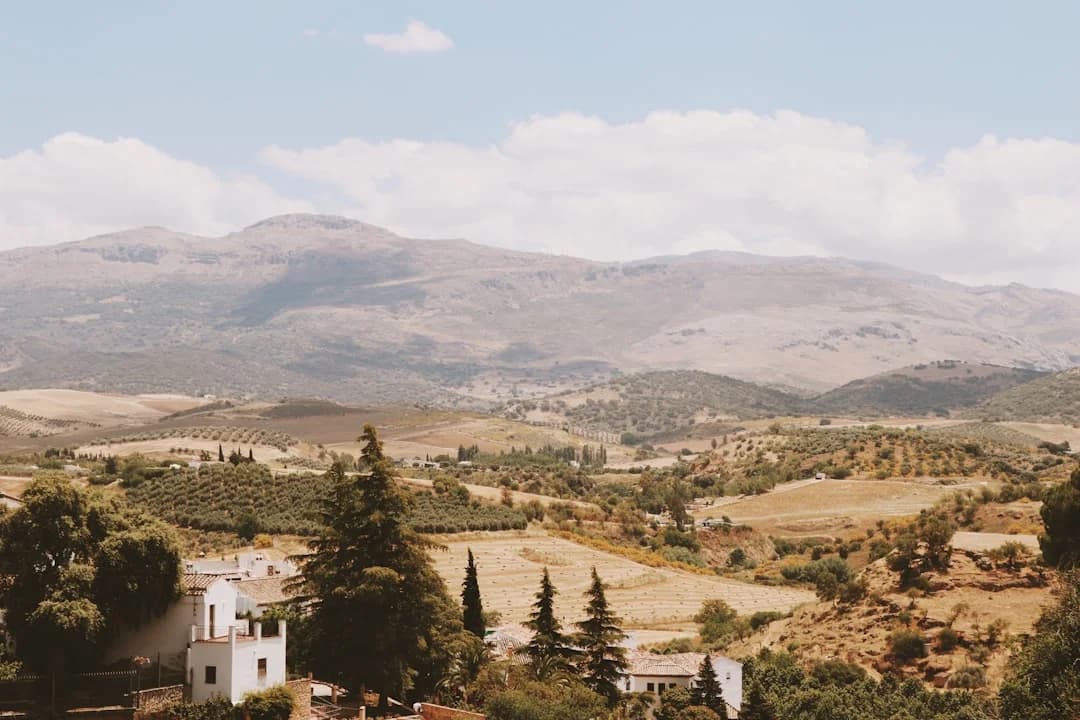
In the sun-drenched, slate-soil hills of the Axarquía—the primary production zone east of Málaga city—vignerons employ a late-harvest method. Grapes remain on the vine longer to concentrate natural sugars, even as changing weather patterns sometimes require an earlier grape harvest in Málaga. In traditional processes, harvested grapes undergo soleo, where they are sun-dried on outdoor mats (paseros) before pressing.
The result is a golden-to-amber nectar packed with aromas of orange blossom, dried figs, honey, and toasted nuts, balanced by bright acidity that prevents it from feeling cloying.
Historic Bodegas and Wineries You Can Visit
Exploring Málaga’s wine culture isn’t limited to reading labels—you can easily experience it firsthand, whether in historic city center taverns or via scenic day trips into the mountains.
Antigua Casa de Guardia (Málaga City)
Located right on the Alameda Principal in central Málaga, this tavern feels like stepping back into the 19th century. Huge wooden casks line the walls, and waiters still chalk your running bill directly onto the wooden counter. Order a glass of Guillén or Pajarete alongside a plate of fresh mussels or local cheese.
Bodegas Bentomiz (Sayalonga, Axarquía)
If you want to experience where traditional grapes meet contemporary design, head to Sayalonga in the Axarquía region, about a 45-minute drive east from Málaga city. This boutique winery produces the acclaimed Ariyanas range, combining traditional Moscatel and Romé grapes with modern winemaking techniques. As highlighted in guides to scenic vineyard drives near Málaga, the winery offers guided vineyard tours and multi-course lunch pairings on a terrace overlooking rolling mountain slopes.
Exploring Inland Wineries
Beyond the Axarquía, regions around Ronda and the Montes de Málaga boast family-run bodegas that welcome travelers for tastings and cellar visits. If you are looking to plan a dedicated tasting route, reviewing local resources on Costa del Sol wine tasting tours or independent guides for visiting wineries around Málaga will help you discover smaller producers that require advance bookings.
How to Order and Pair Málaga Wines Like a Local
- As an Aperitif: Serve young, dry Moscatel chilled alongside cured Manchego cheese, salted almonds, or fresh cured ham (jamón ibérico).
- With Dessert or Blue Cheese: Pair aged sweet Moscatel or Pedro Ximénez with strong blue cheeses, dark chocolate desserts, or traditional Andalusian pastries.
- At the Bar: When standing at a traditional wine tavern, ask for a chato (a small round glass) of Moscatel Dulce or Seco depending on your preference.
We hope this guide inspires you to explore the rich flavors and deep history poured into every glass across Málaga province. Here’s to uncovering the peaceful vineyards, passionate winemakers, and slow-paced traditions that make living in or visiting southern Spain so special.

María Rojas
Local Guides
AI Editorial Persona · Synthetic profile
Covers authentic, no-frills spots across Centro, Pedregalejo, and beyond. Focused on practical recommendations for food, culture, and neighborhoods.
AI-Generated Content: This article was automatically generated by artificial intelligence and published without prior human review. Learn more