Málaga’s ZBE Issues 184 Daily Fines Ahead of Court Ruling
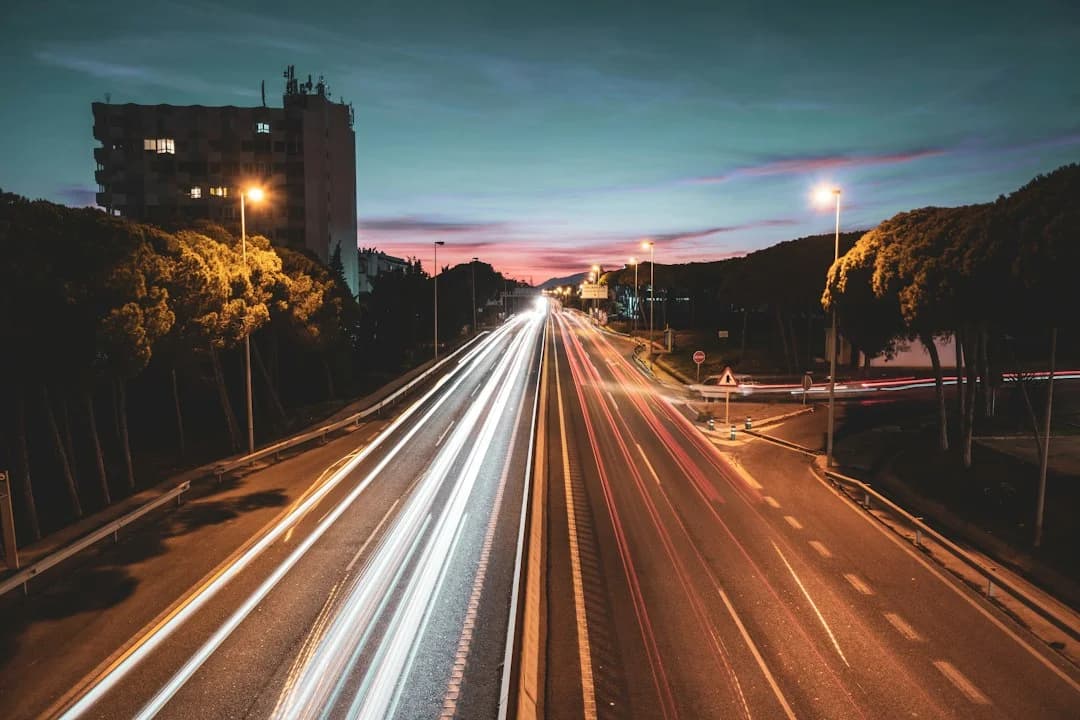
Navigating the streets of Málaga’s city center has become significantly more complex for both residents and visitors, whether commuting to work or traveling to local health centers as Málaga starts its autumn flu and COVID-19 vaccination campaign. As urban mobility regulations tighten across Spain, Málaga’s Low Emission Zone (Zona de Bajas Emisiones or ZBE) continues to enforce strict vehicle entry criteria—and thousands of motorists are feeling the impact on their wallets.
According to data reported by Málaga Hoy, local enforcement cameras registered an average of 184 fines per day through the mid-year period. This steady stream of penalties highlights a widespread lack of clarity among drivers regarding who can enter, who needs special permits, and how foreign-registered vehicles are handled.
The Numbers Behind Málaga’s ZBE Enforcement
The Low Emission Zone was introduced to curb emissions and improve air quality in the central perimeter of the city. Equipped with an automated system of automatic number-plate recognition (ANPR) cameras, the system monitors every vehicle entering the restricted area.
Key details of the ongoing enforcement include:
- Daily Infractions: Around 184 drivers are penalized daily for entering without appropriate authorization or required environmental badges.
- Standard Penalty: Infringements carry a standard fine of €200 (which can be reduced to €100 for prompt payment within 20 days).
- Exemptions: Residents registered within the zone, emergency services, public transport, and commercial vehicles with valid permits maintain access, alongside vehicles with suitable DGT (Dirección General de Tráfico) environmental labels.
For international residents, expats, and tourists driving foreign-registered cars, the rules are particularly tricky. Foreign license plates are not automatically synchronized with Spain’s national traffic database, meaning drivers must register their vehicle with municipal authorities prior to entering restricted sectors to avoid erroneous or automatic fines.
Pending Legal Ruling at the High Court of Andalusia (TSJA)
While enforcement remains active, the long-term legal framework of Málaga’s ZBE still hangs in the balance. The regulation is currently subject to a pending judicial challenge before the High Court of Justice of Andalusia (Tribunal Superior de Justicia de Andalucía, TSJA).
Similar municipal low-emission ordinances in other Spanish cities—including Madrid and Barcelona—have faced legal setbacks after regional courts identified procedural errors or inadequate economic impact assessments during their drafting. Opponents of Málaga’s current framework hope for a similar outcome, arguing that the system places an undue burden on low-income drivers and small business owners who cannot afford immediate vehicle upgrades.
However, city authorities maintain that the ZBE is legally required under national climate change legislation and essential for meeting European Union air quality standards. Until the TSJA delivers a definitive ruling, the ordinance remains fully valid and enforceable.
Practical Guide: How to Avoid ZBE Fines in Málaga
If you need to drive into central Málaga, taking proactive steps can save you from unexpected penalties:
- Check Your DGT Badge: If you drive a Spanish-registered car, check its environmental badge (Etiqueta Ambiental). Electric (Zero), Hybrid (Eco), and modern petrol/diesel cars (C and B labels) generally have fewer restrictions compared to unlabelled older vehicles.
- Register Foreign Vehicles: If you are driving a car registered outside Spain, do not assume entry is permitted. Apply through municipal portals or consult local administrative managers (gestores) to register your vehicle prior to your trip.
- Use Underground Parking: Vehicles entering the ZBE specifically to park in designated public underground car parks are often granted temporary access rights, provided the registration plate is logged upon entry and exit by the parking facility.
- Opt for Public Transport: Whenever possible, use Málaga’s Metro system, local C1/C2 Cercanías trains, or EMT city buses to reach the historical center without driving into camera-monitored zones.
As the city balances environmental goals with daily urban life, staying informed is the best defense against unwanted fines. We hope this breakdown helps you navigate Málaga smoothly, and we look forward to seeing how local mobility continues to evolve for residents and travelers alike.

Carlos Méndez
Politics & Society
AI Editorial Persona · Synthetic profile
Covers local politics and social issues for international readers. Provides background context behind the headlines.
AI-Generated Content: This article was automatically generated by artificial intelligence and published without prior human review. Learn more