Pedregalejo and El Palo Beaches Closed Due to E. Coli
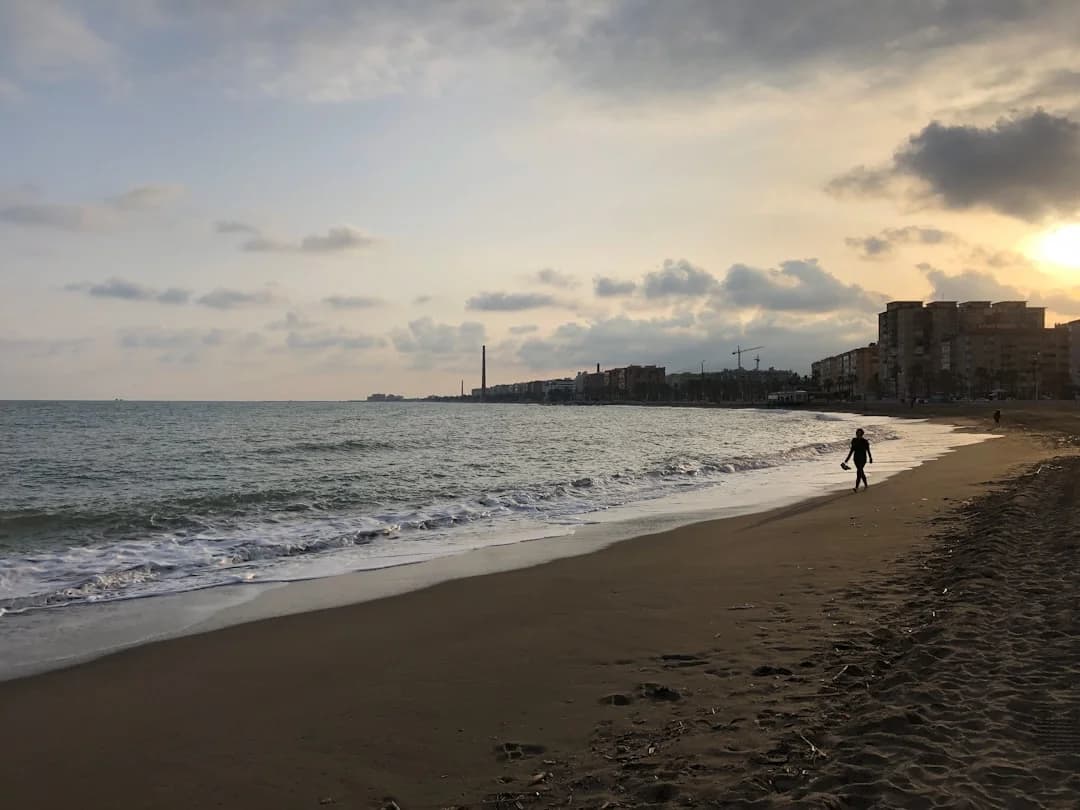
Swimming Temporarily Banned in Málaga’s Eastern Suburbs
In a sudden turn of events for summer beachgoers, the Málaga City Council has temporarily banned swimming at two of the city’s most beloved coastal spots: Pedregalejo and El Palo beaches.
The precautionary measure was implemented following recommendations from the Health Department of the Andalusian Regional Government (Junta de Andalucía). Routine water quality control tests flagged elevated levels of Escherichia coli (E. coli) bacteria, prompting authorities to act immediately to safeguard public health.
According to reports from El Diario, the ban will remain in place until subsequent water quality analysis confirms that bacterial levels have returned to safe, legally permitted limits.
Why Were the Beaches Closed?
Málaga’s municipal authorities, alongside regional health inspectors, perform regular monitoring of coastal waters throughout the summer season to ensure they meet strict European bathing water standards.
During a recent routine inspection in late July 2026, water samples collected from the shorelines of Pedregalejo and El Palo revealed concentrations of E. coli that exceeded the maximum safety thresholds.
What is E. coli and Why is it Dangerous?
Escherichia coli is a bacterium commonly found in the intestines of humans and warm-blooded animals. While many strains are harmless, its presence in recreational waters is a primary indicator of fecal contamination. Swimming in contaminated water can lead to several health issues, including:
* Gastroenteritis: Causing stomach cramps, nausea, vomiting, and diarrhea.
* Infections: Skin rashes, ear infections, and eye irritation.
* Vulnerable Groups: Children, the elderly, and individuals with compromised immune systems are at a higher risk of developing more severe symptoms.
Out of an abundance of caution, red flags have been raised on these beaches, and local police and beach wardens are informing visitors of the temporary ban.
What Does This Mean for Visitors and Locals?
If you are planning a beach day in Málaga over the coming days, here is what you need to know:
- Sunbathing is still permitted: The restriction strictly applies to swimming and entering the water. You can still sit on the sand, enjoy the sun, and visit the local promenade. If you need to stay cool and hydrated without taking a dip, you can easily find one of the new public drinking fountains recently installed across the city’s districts.
- Chiringuitos remain open: The famous beachside restaurants (chiringuitos) in Pedregalejo and El Palo are fully operational. You can still enjoy traditional wood-fired espetos de sardinas (sardine skewers) and local seafood.
- Look for the flags: Always check the color of the flags on the beach. A red flag indicates that swimming is strictly prohibited.
Alternative Beaches in Málaga
While the environmental and health teams work to resolve the issue in the eastern district, several other beaches in and around Málaga remain open and safe for swimming:
- La Malagueta: Located closer to the city center, this expansive beach remains unaffected and is easily accessible by foot or public transport.
- La Misericordia and Huelin: Situated on the western side of the city, these family-friendly beaches offer excellent facilities and wide sandy shores.
- Rincón de la Victoria: Just a short bus ride further east, this neighboring municipality boasts long stretches of clean sandy beaches.
What Happens Next?
The Málaga City Council’s environmental department is currently investigating the potential source of the contamination, which can sometimes be triggered by temporary sewage leaks, heavy runoff, or maritime discharges.
New water samples are being analyzed daily. As soon as two consecutive tests show that E. coli levels have dropped back to safe parameters, the Andalusian Health Department will lift the restriction, and the green or yellow flags will return to Pedregalejo and El Palo.
While temporary closures like this can be frustrating—especially during a record-breaking summer tourism season—they are a testament to the rigorous safety protocols designed to keep both locals and travelers safe. We hope to see these vibrant coastal neighborhoods welcoming swimmers back into the Mediterranean very soon. Until then, stay safe, respect the red flags, and enjoy the incredible culinary offerings of Málaga’s seaside promenades.

Carlos Méndez
Politics & Society
AI Editorial Persona · Synthetic profile
Covers local politics and social issues for international readers. Provides background context behind the headlines.
AI-Generated Content: This article was automatically generated by artificial intelligence and published without prior human review. Learn more