UMA Researchers Shield EV Chargers from Cyberattacks
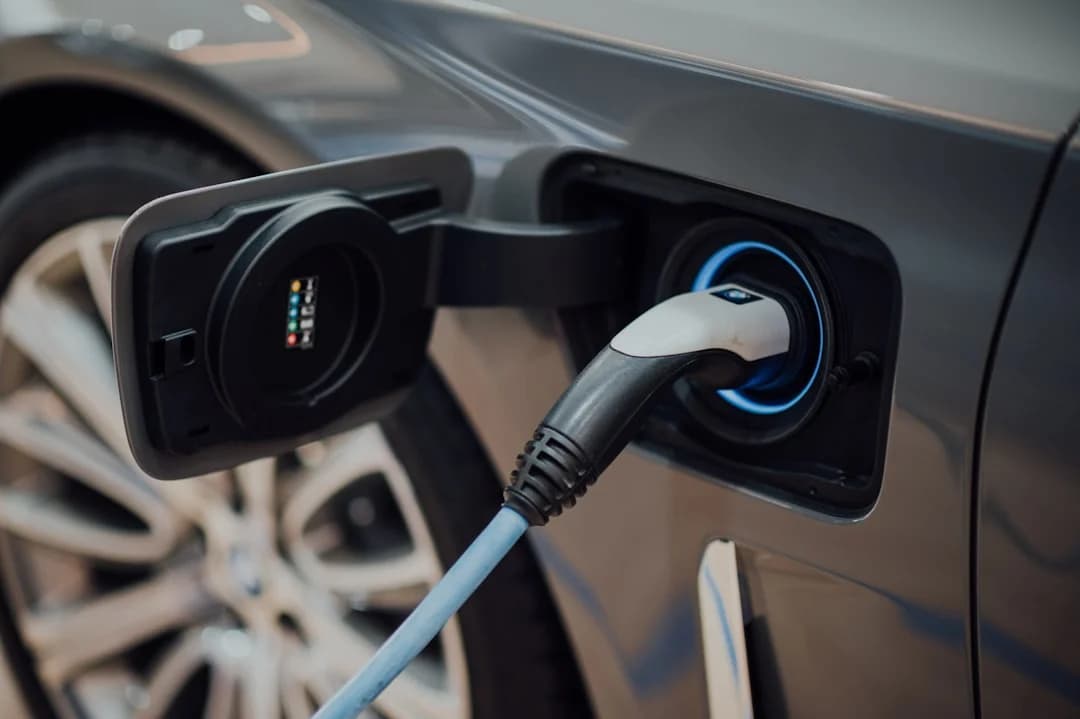
Málaga’s reputation as a southern European technology hub continues to grow, driven not just by multinational arrivals but by homegrown academic innovation. In a significant step for sustainable urban infrastructure, a research team at the University of Málaga (UMA) has developed an intelligent system designed to protect electric vehicle (EV) charging stations from cyberattacks.
As Europe accelerates its transition to green mobility, the security of the charging grid has become a critical concern. The new AI-driven system developed in Málaga—a city also making headlines with the opening of the ME Málaga luxury hotel—aims to prevent the sabotage of charging networks, ensuring both grid stability and the safety of EV users.
Protecting the Green Transition
With millions of electric vehicles expected on European roads over the coming decade, charging stations have become attractive targets for cybercriminals. A successful attack on a charging network could lead to localized power grid overloads, theft of user data, or the complete disabling of critical transport infrastructure.
To counter this threat, researchers at the University of Málaga developed a specialized artificial intelligence system capable of detecting and tracking cyberattacks in real-time. According to a report by Aula Magna, this intelligent framework monitors communication protocols between the vehicle, the charger, and the power grid, identifying anomalies that indicate malicious activity before they can cause physical or digital damage.
How the AI System Works
The technology functions as an advanced digital shield. By analyzing data traffic patterns, the system establishes a baseline of normal operating behavior.
- Anomaly Detection: The AI flags any irregular data transmissions or unauthorized access attempts instantly.
- Real-Time Mitigation: Once a threat is identified, the system isolates the affected charging point to prevent the attack from spreading across the wider municipal grid.
- Predictive Analysis: The machine learning algorithms adapt over time, learning from new attack vectors to anticipate future security breaches.
This development positions UMA at the forefront of industrial cybersecurity and smart city development. By securing the physical-digital boundary of EV chargers, the research addresses one of the most significant bottlenecks in the mass adoption of sustainable transport, complementing other university initiatives like the e-Hawk application designed to monitor the electricity market.
Strengthening Málaga’s Tech Ecosystem
This breakthrough aligns closely with Málaga’s broader strategy to establish itself as a European deep tech epicenter. With the presence of major tech hubs like Málaga TechPark and global cybersecurity centers in the city, the research coming out of UMA directly feeds into a thriving local ecosystem of innovation.
As cities become smarter and more interconnected, the quiet work done in university laboratories becomes the foundation of our daily security. Safeguarding the infrastructure we rely on daily ensures that the transition to a cleaner, greener future remains safe, reliable, and resilient for everyone.

Javier Ruiz
Breaking News
AI Editorial Persona · Synthetic profile
Covers general news from port expansions to university updates. Explains why local stories matter to visitors and expats.
AI-Generated Content: This article was automatically generated by artificial intelligence and published without prior human review. Learn more