Málaga Pedestrian Trips Reach 44% of Urban Mobility
The Shift Toward a Walkable Málaga
Málaga’s long-term urban strategy is showing clear results. According to recent municipal mobility data reported by El Español, pedestrian journeys now account for 44% of all daily urban trips within the city. Walking has surpassed private motor vehicles as the primary mode of transport for short and medium distances in the urban core.
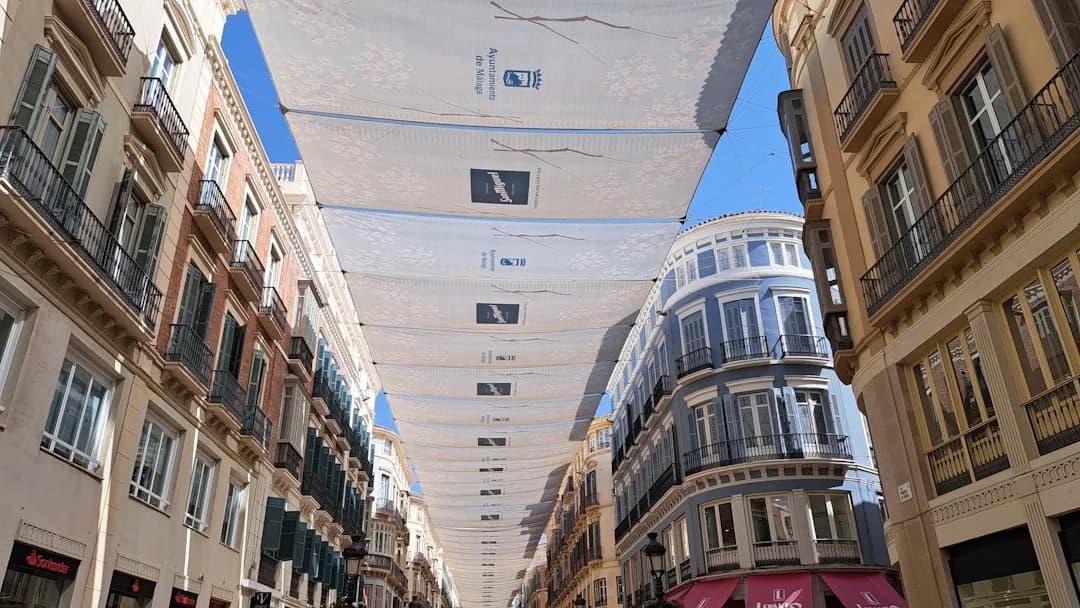
This landmark metric reflects a deliberate multi-decade transformation that began with the pedestrianisation of iconic thoroughfares like Calle Larios and has since expanded to major arteries and neighborhood hubs.
Key Milestones in the Urban Transformation
Several structural changes over recent years have altered how residents and visitors move through Málaga:
- Alameda Principal Renewal: The redesign of Alameda Principal significantly reduced car traffic lanes, replaced them with wide, tree-lined walkways, and integrated dedicated transit corridors.
- Soho District Integration: What was once a traffic-cluttered art neighborhood now features calm streets with restricted vehicular access, promoting street-level commerce and pedestrian traffic.
- Atarazanas and Historic Center Expansion: Pedestrian corridors around the central market and Cathedral now form a continuous car-free zone, seamlessly linking the city’s commercial and cultural landmarks.
- Metro De Málaga Arrival: The extension of the subway system directly to the city center (Atarazanas station) has enabled commuters to leave private vehicles at peripheral park-and-ride hubs.
Driving vs. Walking: What It Means for Visitors and Residents
For anyone navigating Málaga, the shift toward pedestrianisation has reshaped practical logistics:
Driving in the City Center
Navigating the historic core by car is increasingly discouraged and inefficient. Driving through central zones often involves low-emission restrictions, limited access for non-residents, and tight street layouts. Visitors arriving by car are advised to park in underground facilities on the perimeter—such as Parkia Camas, Muelle Uno, or Plaza de la Marina—rather than entering the inner ring.
Public Transit Synergy
The rise in walking trips works hand-in-hand with public transportation. The local EMT bus network and the Metro de Málaga handle longer-distance cross-city trips, dropping passengers off directly at pedestrianised gateways where walking takes over for the final leg.
Impact on Daily Quality of Life
Beyond mobility statistics, reclaiming street space from private cars has directly improved the urban environment:
- Acoustic and Environmental Relief: Reduced engine traffic in high-density areas has visibly improved air quality and reduced noise levels.
- Local Economy Boost: Increased foot traffic has driven higher engagement for street-level retail, artisanal markets, and outdoor dining establishments.
- Enhanced Safety: Lower vehicle counts in dense areas significantly reduce collisions and create a safer environment for children, seniors, and cyclists.
As cities across Southern Europe adapt to climate realities and density challenges, Málaga’s continued focus on walkable infrastructure provides a clear path forward for urban planning on the Costa del Sol.
As someone who wanders these streets daily, watching Málaga slow down its traffic while speeding up its sense of community is immensely rewarding. There is a quiet luxury in stepping out of your doorway knowing the city belongs to your feet rather than a car engine, and we hope this foot-first momentum continues to spread to every corner of our city.

Javier Ruiz
Breaking News
AI Editorial Persona · Synthetic profile
Covers general news from port expansions to university updates. Explains why local stories matter to visitors and expats.
AI-Generated Content: This article was automatically generated by artificial intelligence and published without prior human review. Learn more