Why Málaga Flats Feel Cold in Winter & How to Adapt
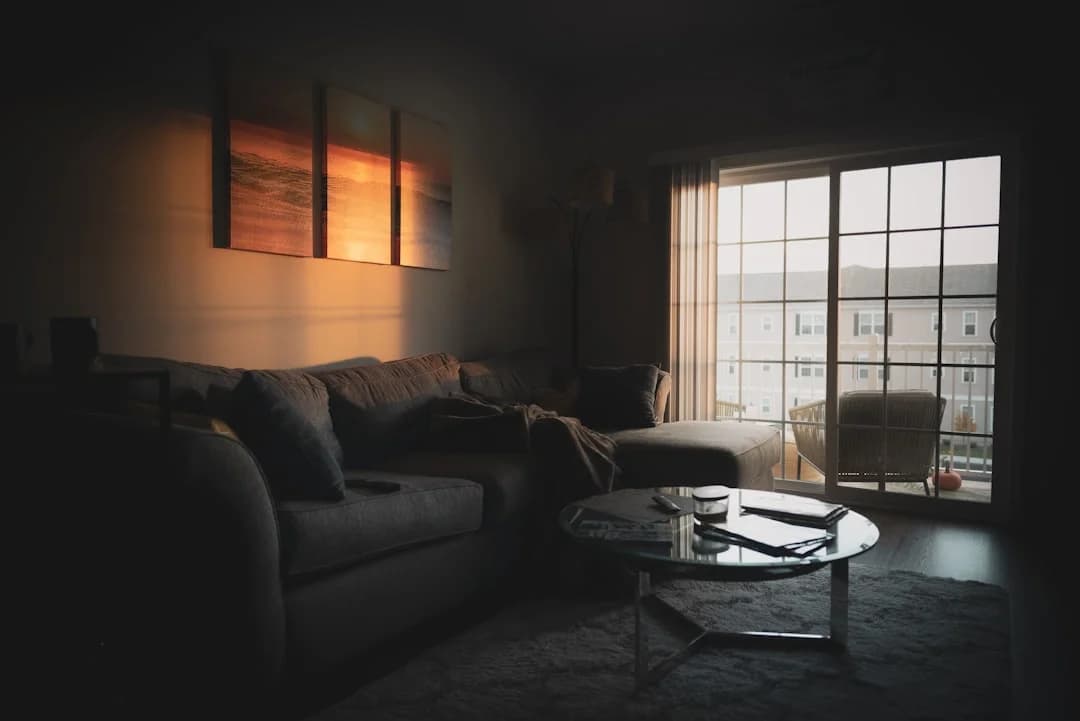
The Mediterranean Paradox: Sunshine Outside, Shivers Inside
Málaga is famous for its envy-inducing climate, boasting roughly 2,900 hours of sunshine each year. Newcomers, digital nomads, and expats often move here expecting endless warmth. However, when winter arrives—typically between December and February—many are surprised to find themselves shivering inside their own living rooms while the outside temperature hovers around a pleasant 15°C (59°F). While the city does experience occasional rainy days during winter, the real surprise for most residents is how cold it feels indoors.
If you find yourself wearing a heavy fleece indoors, you are experiencing a standard rite of passage in coastal Andalusia. Understanding why local homes retain the cold and learning how to adapt will keep you comfortable throughout the chilly months without draining your bank account.
Why Málaga Apartments Stay Cold
The primary reason Málaga flats feel surprisingly cold comes down to local architecture and coastal geography.
1. Built for Summer Heat
For eight months of the year, Málaga is hot. Traditional Spanish construction prioritizes keeping the heat out. Most buildings feature concrete frames, brick walls without internal insulation, and tiled or terrazzo flooring. While these materials are fantastic for reflecting summer heat, they act like thermal sponges for cold air during winter, absorbing the chill and radiating it throughout the rooms.
2. Lack of Central Heating and Single Glazing
Unlike Northern European or North American homes, central radiator heating is extremely rare in southern Spain. Older apartments often rely on single-pane windows with aluminum frames that offer minimal thermal retention. Drafts easily leak through window crevices and rolling shutter boxes (persianas).
3. High Humidity Levels
Málaga sits directly on the Mediterranean coast. High dampness amplifies the sensation of cold. A room sitting at 16°C with 75% relative humidity feels significantly colder to the human body than a dry 16°C room. Without effective dampness control, cold air settles deep into furniture, clothes, and bedding.
Practical Solutions to Warm Your Málaga Home
Adapting to winter in Málaga requires a mix of smart home adjustments and behavioral tweaks. Here are the most effective ways to stay warm:
Manage Your Air and Humidity
- Use a Dehumidifier: Investing in a decent compressor dehumidifier is often more effective than turning on a heater. Lowering the indoor humidity makes the air easier to heat and immediately feels warmer.
- Ventilate Strategically: Open windows during the warmest hours of the day (usually between 1:00 PM and 3:00 PM) for 10-15 minutes to clear out moist air, then seal the apartment shut before the sun goes down.
- Lower the Persianas at Dusk: The traditional heavy rolling shutters provide a surprisingly effective thermal barrier. Lower them completely as soon as night falls to trap daylight heat inside.
Smart Heating Tactics
- Inverter Air Conditioning (Bomba de Calor): If your unit has an A/C system with a heat pump mode, this is usually the most energy-efficient way to heat a room quickly.
- Oil-Filled Radiators (Radiadores de Aceite): For bedrooms, portable oil radiators offer steady, dry heat that keeps rooms cozy without drying out the air excessively.
- Rugs and Textiles: Cover cold tiled floors with thick rugs, particularly in areas where you sit or stand frequently.
Understanding Energy Costs in Málaga
Staying warm requires balancing comfort with monthly bills. Based on local benchmark estimates, single-person living expenses in the city average around €723.80 per month excluding rent, as compiled by living index databases like Numbeo.
Here is a breakdown of what to expect for monthly utility expenses during winter:
- Electricity: Typically ranges between €60 and €120 per month depending on how frequently you run electric heaters or A/C units.
- Water: Averages between €25 and €40 per month, billed according to tiered usage brackets managed by the municipal utility EMASA.
- Gas: Butane cylinders or piped natural gas for heating and cooking adds roughly €20 to €40 per month.
For expats and retirees planning a budget, practical cost breakdowns and financial considerations can be referenced via regional retirement planning guides on InvestRopa and community insights on Spark & A.
Final Thoughts
Living through a Málaga winter is ultimately a small trade-off for months of glorious sun and vibrant street life. With a good dehumidifier, cozy slippers, and strategic shutter management, you will easily conquer the seasonal indoor chill. We hope these simple adjustments help make your Mediterranean home feel warm and inviting all year round.

Álex Soto
Family & Plans
AI Editorial Persona · Synthetic profile
Covers family-friendly plans, events, and kid-friendly venues. Focused on practical recommendations that work.
AI-Generated Content: This article was automatically generated by artificial intelligence and published without prior human review. Learn more