Blue Period
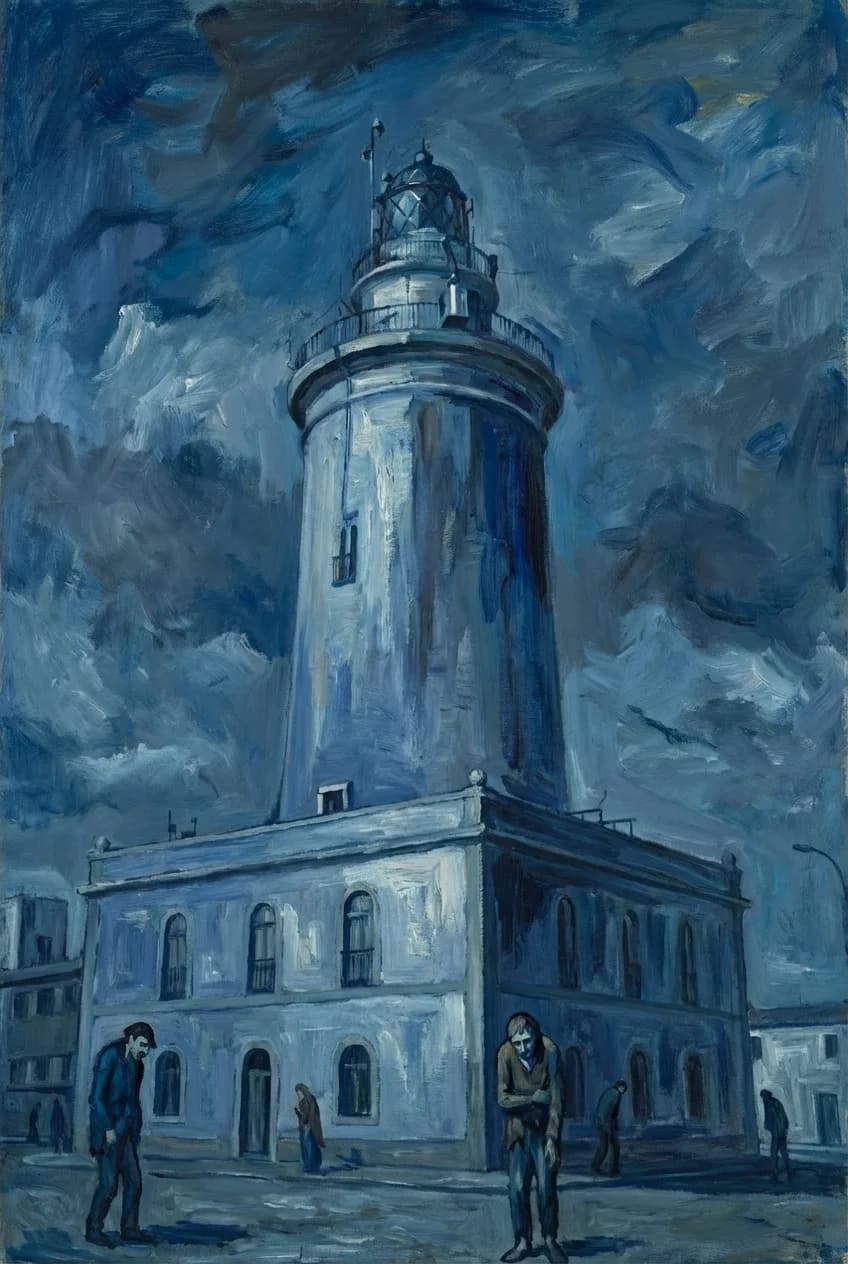
The light stopped being beautiful. It became truth. The world is dyed in a cold monochrome where silence weighs heavy.
Look at this:
- Long shadows, cold skin.
- Sea and sky merged in sadness.
Rose Period
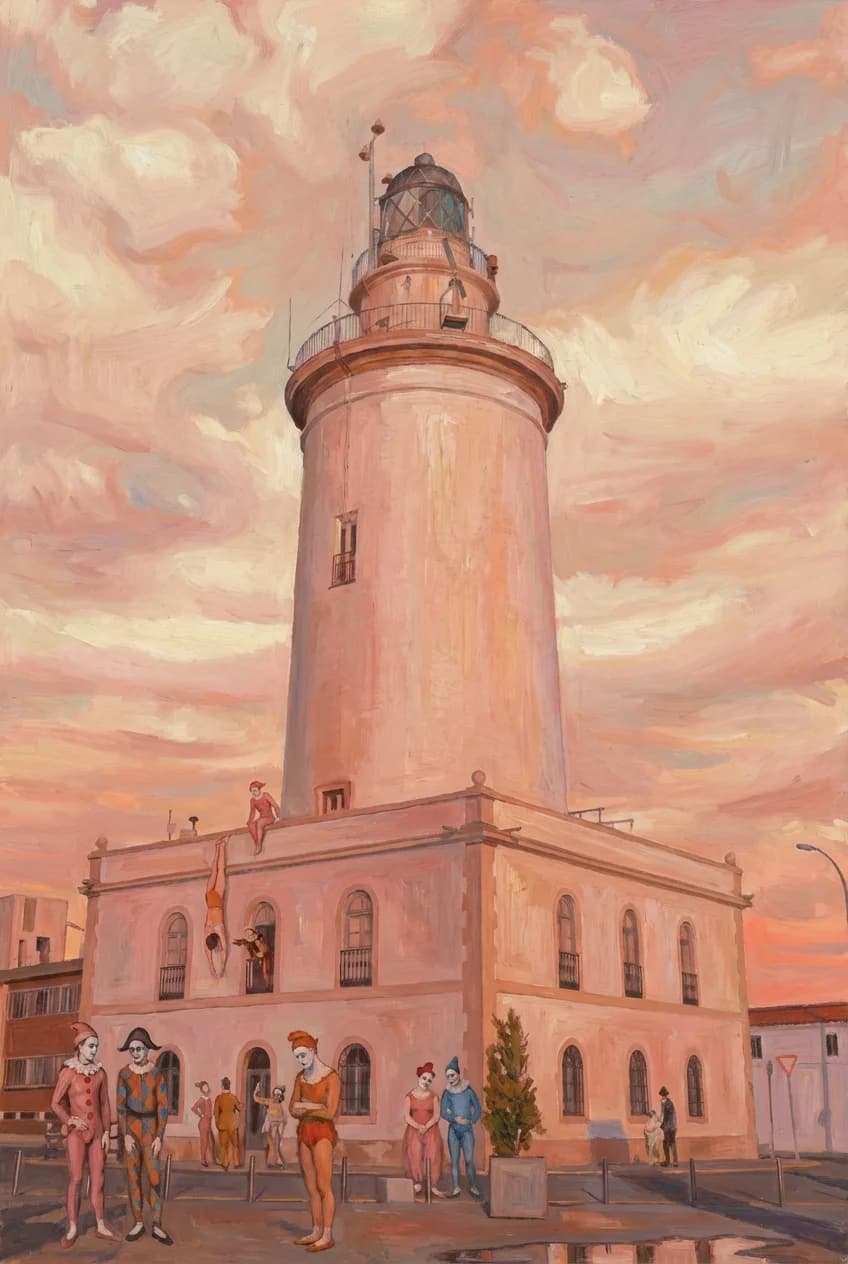
The circus arrives at the port. Terracotta tones and a melancholic tenderness envelop the structure.
Look at this:
- Soft, almost liquid lines.
- Dusty ochre and flesh tones.
Proto-Cubism
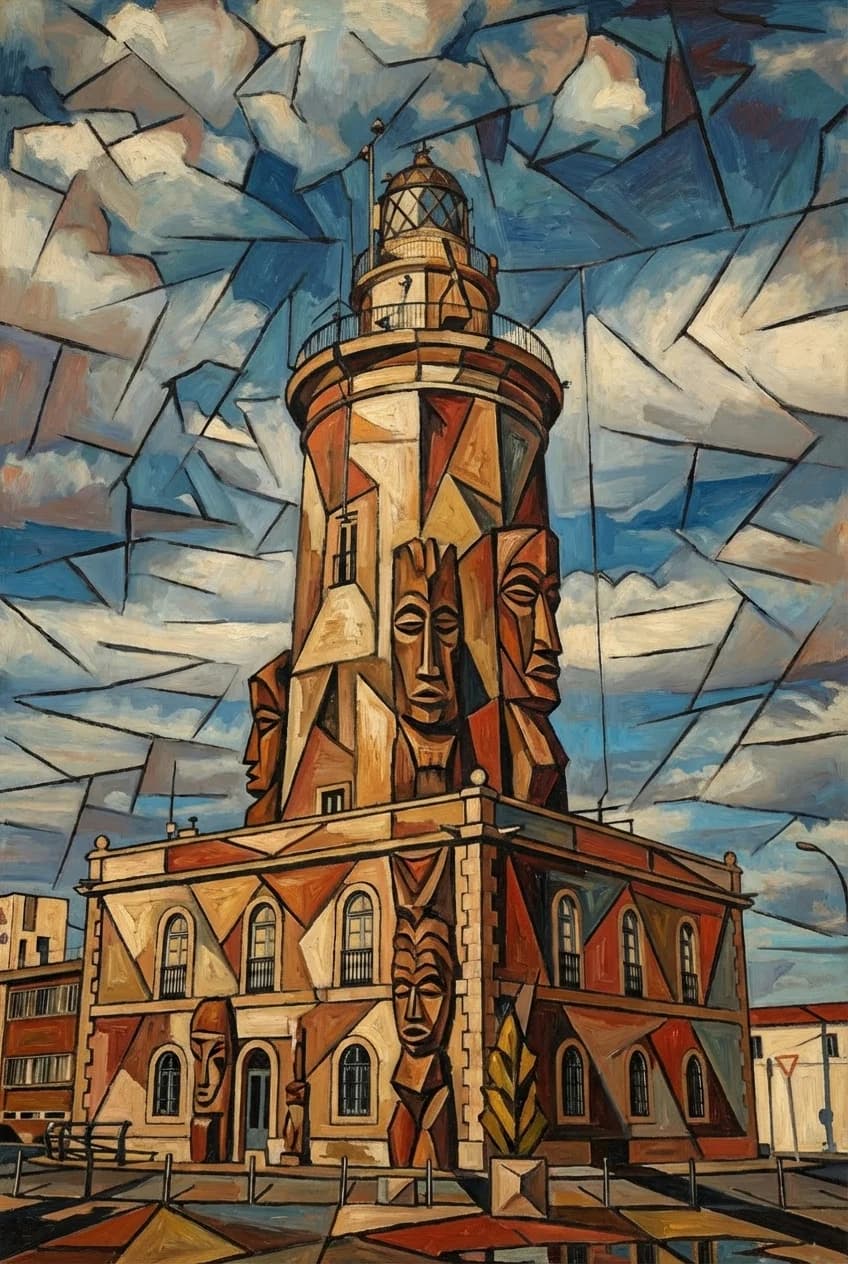
The rupture. La Farola ceases to be a building to become an ancestral mask carved in wood.
Look at this:
- Aggressive, striated shading.
- Raw, angular geometry.
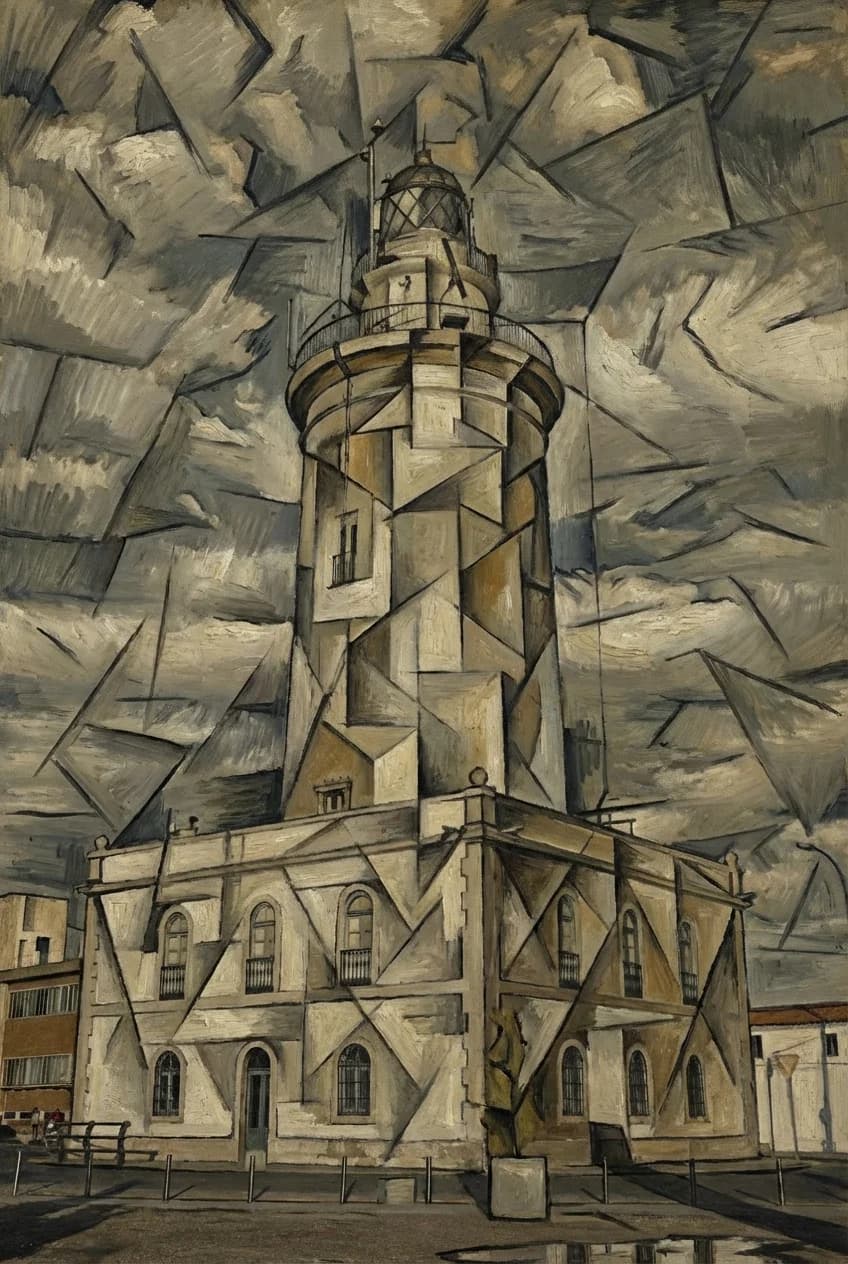
Analytical Cubism
Breaking the mirror. Reality explodes into facets to be seen from all angles at once.
Look at this:
- Monochrome to focus on form.
- The object merges with the air.
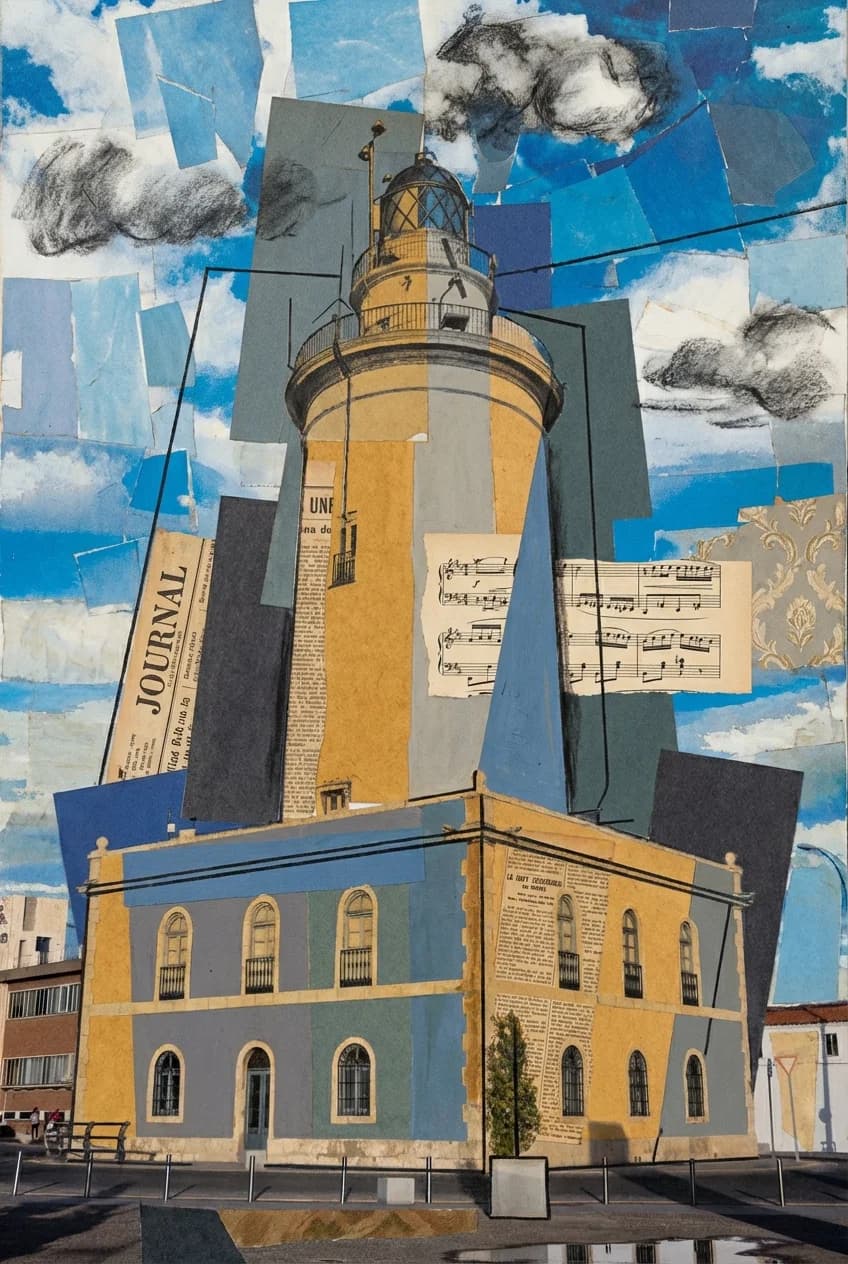
Synthetic Cubism
The reconstruction. Picasso glues reality onto the canvas. Paper, textures and flat shapes that dance.
Look at this:
- Wide, cut-out color planes.
- Simulated textures (wood, paper).
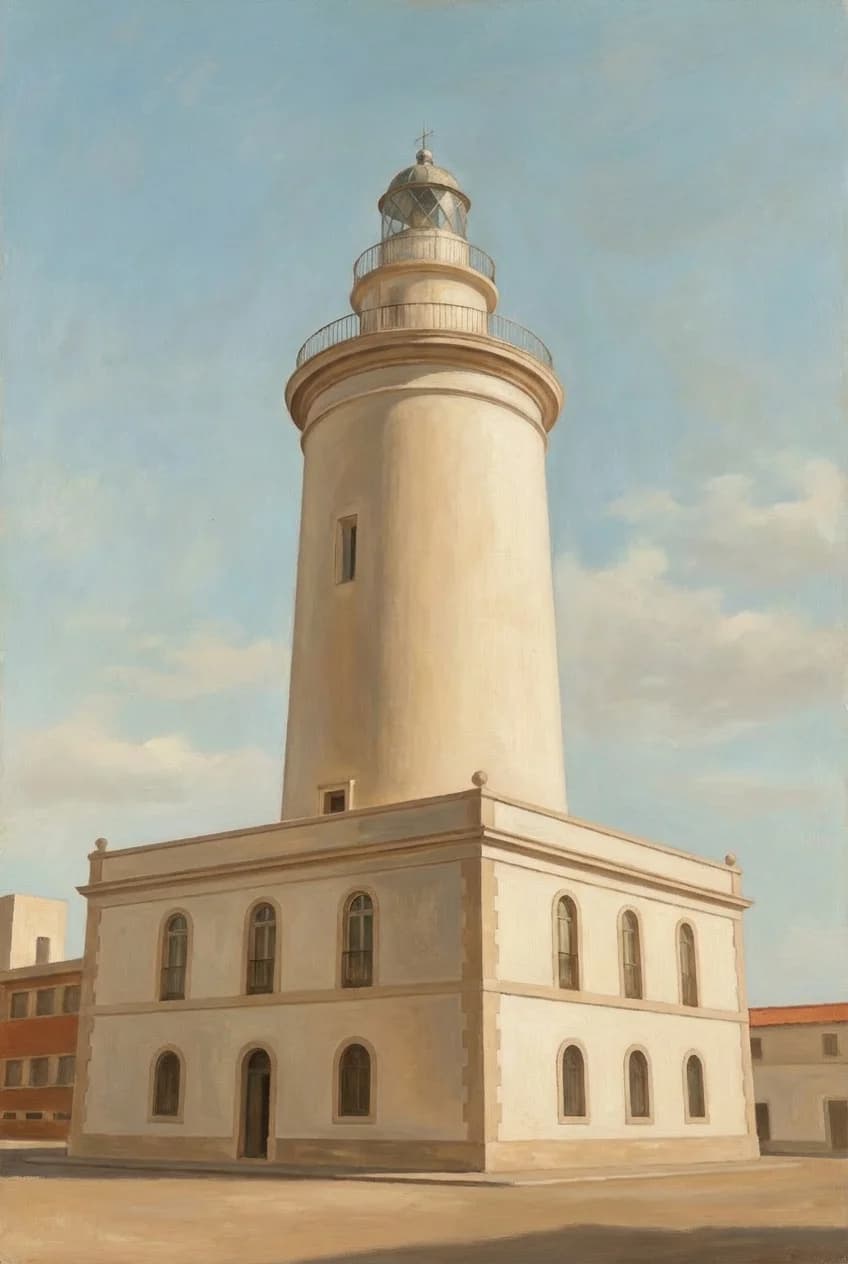
Neoclassical Period
Return to calm. La Farola becomes a Roman column, eternal, heavy and monumental.
Look at this:
- Giant sculptural volumes.
- White Mediterranean light.
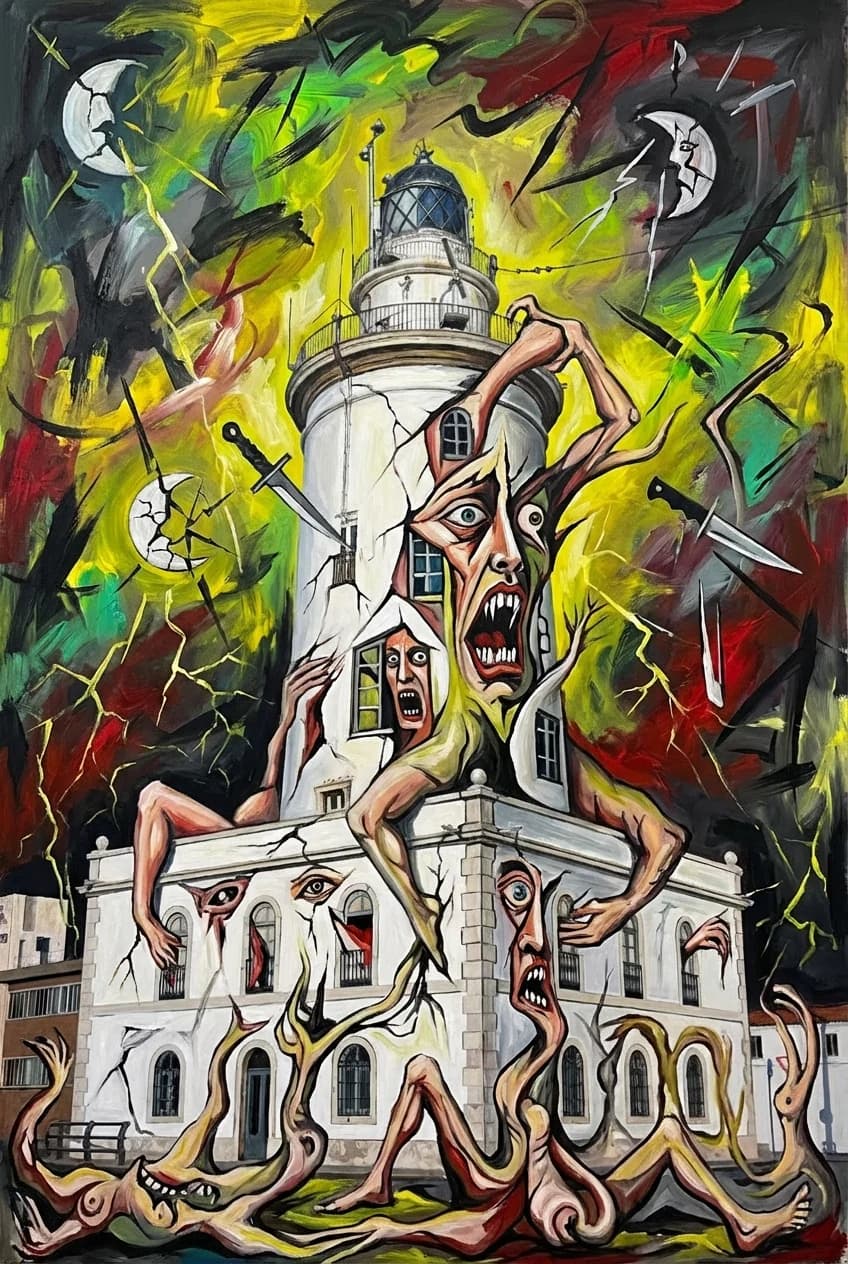
Surrealism
The logic of desire. Stone becomes soft and architecture bends like a living body.
Look at this:
- Biomorphic and sexual forms.
- Acidic, unreal colors.
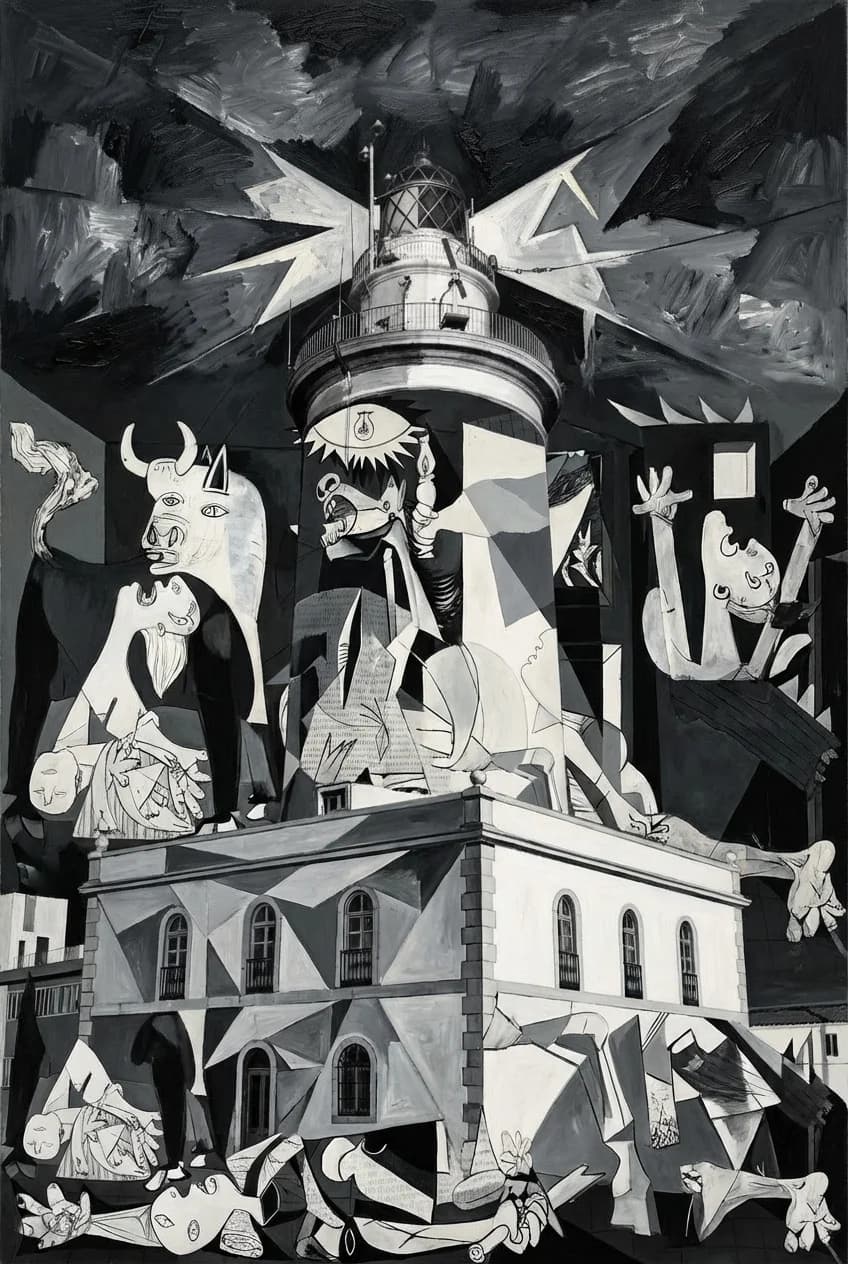
Expressionism
The scream. Black, white and gray. Painting doesn't decorate, it's an instrument of offensive war.
Look at this:
- Dismembered, cutting figures.
- Newsprint texture.
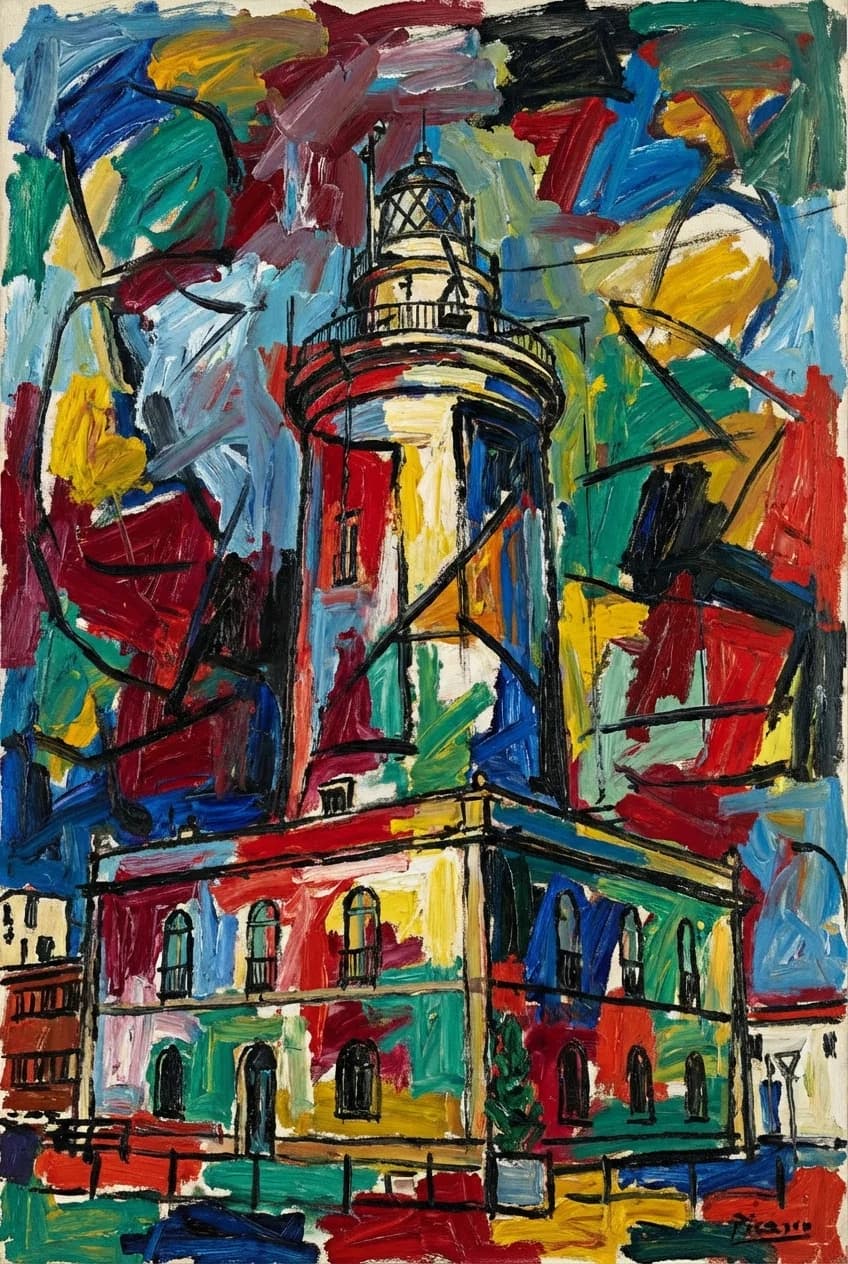
Late Period
The eternal child. Picasso unlearns to paint with savage urgency. Form doesn't matter, only life.
Look at this:
- Gestural, rapid brushstrokes.
- Vibrant primary colors.
Experience the originals where it all began.
The Picasso Museum Málaga fulfills the artist's wish for his work to be present in the city of his birth.
Go to Museum website