5 Secrets of Málaga’s Hotel Scene: Beyond the Lobby
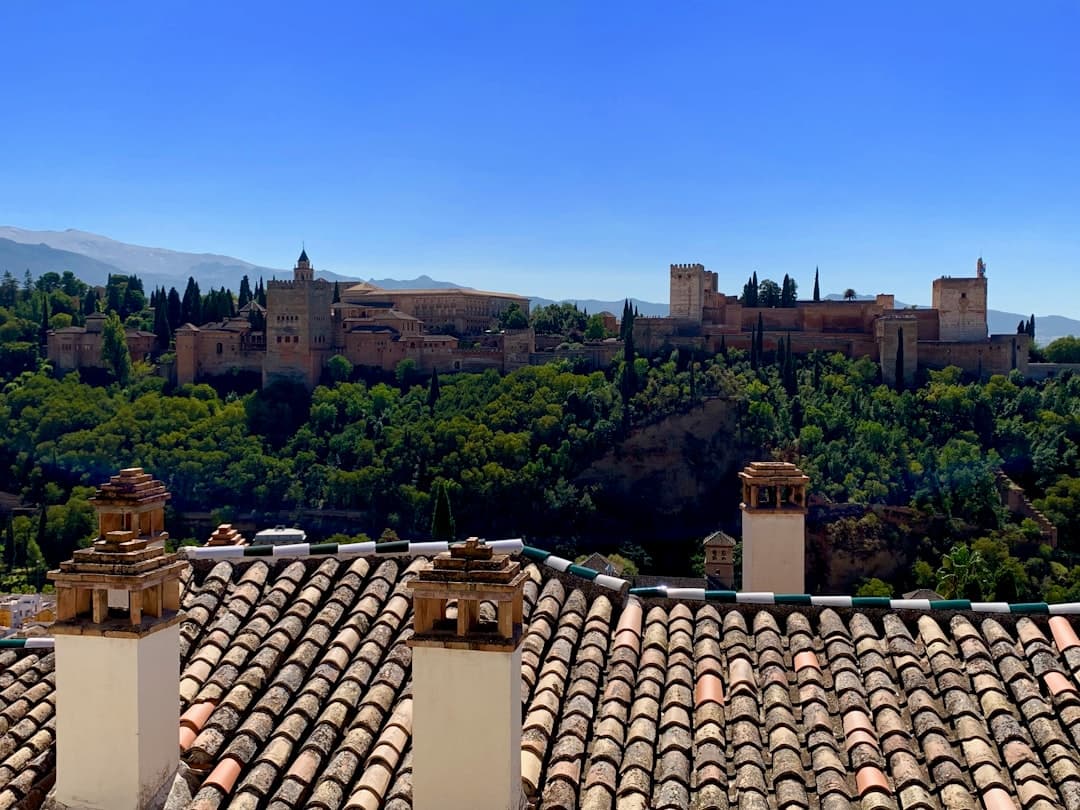
For decades, Málaga was often viewed merely as the gateway to the Costa del Sol—a place to land before heading west to Marbella or east to Nerja. However, in recent years, the capital has undergone a renaissance that rivals any European cultural hub. This transformation is nowhere more evident than in its hospitality sector.
Today, staying in Málaga is not just about finding a bed; it is about immersing yourself in living history, art, and a distinct vertical culture. Whether you are planning a weekend getaway or a long-term remote work stay, here are five things you likely didn’t know about the hotel landscape in this vibrant Andalusian city.
1. Many Hotels Are Converted 18th-Century Palaces
Unlike the purpose-built concrete resorts that line much of the coast, the accommodation scene in Málaga’s Centro Histórico is deeply rooted in heritage. A surprising number of the city’s finest boutique hotels are housed in restored palaces from the 18th and 19th centuries.
When you check into places like the Palacio Solecio, you are walking through corridors that once hosted Andalusian nobility. Architects have gone to great lengths to preserve the original courtyards, stone staircases, and intricate balustrades. This trend of adaptive reuse means that room layouts are often unique; no two rooms are exactly alike because they must respect the ancient “bones” of the building. It offers a stay that feels less like a commercial transaction and more like a guest residency in a grand home.
2. The Rooftop Is the Real Lobby
In many cities, the hotel bar is a dark room on the ground floor. In Málaga, social life happens in the sky. The “Terraza” culture here is mandatory. It is a little-known fact that many hotels in Málaga design their entire guest experience around the rooftop, often prioritizing it over the ground-floor reception.
This isn’t just about catching a tan. These rooftops serve as the city’s social ventilation. During the evenings, locals mix with guests to watch the sunset over the Cathedral of the Incarnation (affectionately known as La Manquita).
Hotels like the AC Hotel Málaga Palacio set the standard decades ago, but newer entrants continue to elevate the concept. If you are booking a hotel in the center, do not just look at the room size—check the rooftop access. It is where you will likely spend your most memorable hours.
3. The “Art Hotel” Movement in Soho
While the Old Town offers history, the neighborhood of Soho—located between the Alameda Principal and the port—offers a completely different aesthetic. Known as the “Barrio de las Artes,” this area has given rise to a specific sub-genre of accommodation: the Art Hotel.
In this district, hotels often collaborate with the street artists who have painted the massive murals covering the neighborhood’s buildings. Interiors are frequently industrial-chic, featuring rotating galleries in the lobbies and commissioned graffiti art in the rooms. It provides a stark, modern contrast to the marble and stone of the historic center, catering to a traveler who seeks grit and creativity over polish and pomp.
4. You Can Sleep Inside a Fortress Complex
Perhaps the most dramatic secret of Málaga’s hotel scene is the Parador de Málaga Gibralfaro. While many know of the Gibralfaro castle as a tourist attraction, fewer realize that the state-run hotel (Parador) sits adjacent to the fortress atop Mount Gibralfaro.
Staying here offers a perspective that was once reserved for military commanders defending the city. The view from this vantage point is arguably the best in the province, sweeping across the bullring, the harbor, and the Mediterranean Sea. It is a rare opportunity to sleep in a location of such strategic historical importance, surrounded by pine forests yet only minutes from the city center.
5. Balconies Are Premium Real Estate During Holy Week
If you visit Málaga in the spring, you will discover a pricing dynamic unique to Southern Spain. During Semana Santa (Holy Week), the value of a hotel room is not determined by its square footage or thread count, but by its balcony.
Hotels located along the official procession routes—such as those on the Alameda Principal or Calle Larios—become prime viewing platforms. These rooms are often booked years in advance. The “secret” here is that some hotels offer special packages that include balcony access for non-guests, or convert their lower-floor rooms into private boxes for viewing the elaborate thrones passing by. If you are planning a trip during this period, be aware that a room facing the street offers a front-row seat to one of Spain’s most moving spectacles, but it comes with the price of sleepless nights due to the drums and trumpets.
A Final Thought
Málaga is a city that reveals itself in layers. From the Phoenician walls found in hotel basements to the modern pools touching the sky, the places we choose to sleep here tell the story of the city’s evolution. We hope this guide helps you find a door to unlock, not just a room to sleep in, as you explore our beautiful corner of the world.

Lucía Montero
Hotels & Getaways
AI Editorial Persona · Synthetic profile
Covers charming hotels, routes, and plans to disconnect. Focused on elegant escapes and weekend trips.
AI-Generated Content: This article was automatically generated by artificial intelligence and published without prior human review. Learn more