Easter Treats: The Return of the Traditional ‘Hornazo’ in Málaga
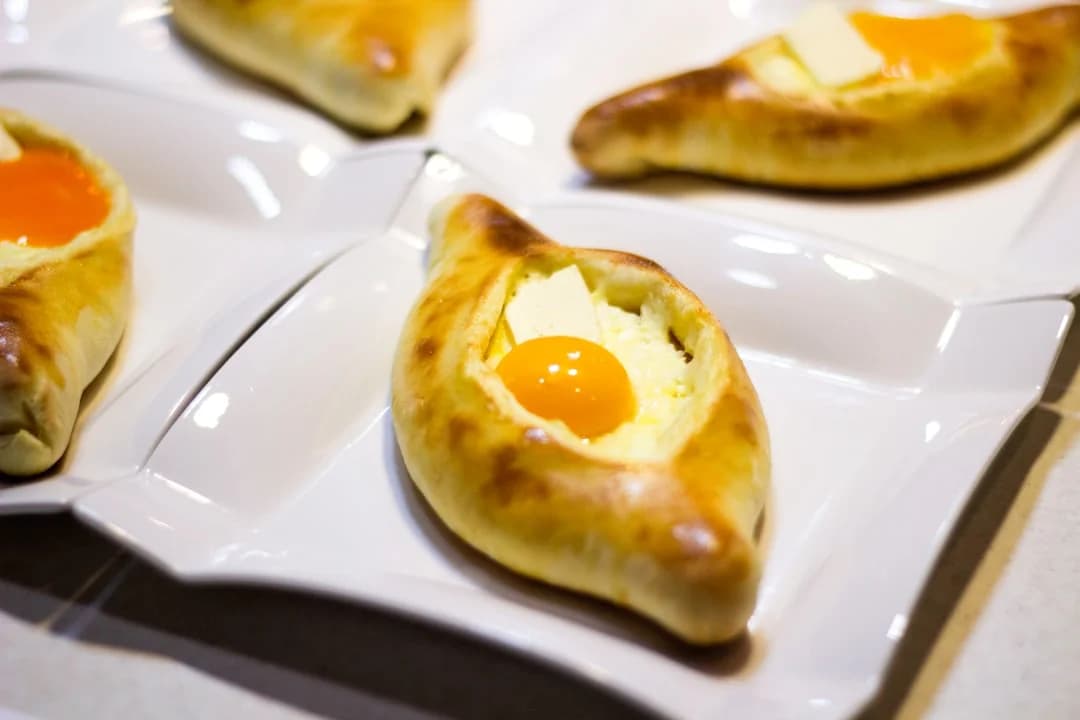
Spring in Málaga isn’t just about longer days and the scent of orange blossoms; it also brings a noticeable shift in the windows of local bakeries. If you want to go beyond the standard tapas—or even the traditional flavors of Cuaresma found in the city’s historic taverns—and experience a true taste of the province’s culinary heritage, it is time to look inland. The season of the hornazo has officially arrived.
What Exactly is a Hornazo?
At its core, a hornazo is a rustic, baked pastry that dates back centuries. While variations exist all over Spain, the Málaga province has its own distinct, deeply rooted take on the recipe. Made from a simple, sturdy dough of flour, high-quality local olive oil, yeast, and often a touch of sugar or aniseed, the defining feature of a traditional hornazo is the intact hard-boiled egg baked right into the center. This egg is typically secured with a small cross made of dough.
Depending on which village you visit, the hornazo might lean sweet or savory. Some bakers glaze the top with a generous dusting of sugar, creating a delightful contrast with the dense bread and the egg, while others keep the dough strictly savory, making it the perfect midday snack.
A Strictly Seasonal Delight
You won’t find authentic hornazos year-round. As highlighted in a recent feature by Diario Sur celebrating the return of this culinary tradition, the season for this specific treat runs strictly from the weeks leading up to Easter until the first romerías (religious pilgrimages) in early May.
Historically, the inclusion of the egg was highly symbolic and practical. During Lent, eggs were historically forbidden under strict fasting rules, so they were boiled to preserve them until Easter Sunday. Baking them into a rich bread was a celebratory way to welcome back forbidden foods. Today, the tradition endures primarily as a beloved staple of spring picnics and countryside gatherings.
Where to Find the Best Hornazos in the Province
If you are an expat or a visitor wanting to track down this seasonal specialty, skip the modern supermarkets. You need to head to the traditional panaderías (bakeries) in Málaga’s inland villages, where recipes are fiercely guarded and passed down through generations.
- Valle del Guadalhorce: Villages like Cártama, Álora, and Coín are famous for their hornazos. Many locals buy them here in bulk to take on their May pilgrimages.
- The Axarquía: Towns such as Vélez-Málaga and Periana offer regional twists, sometimes incorporating local mountain honey or distinct anise flavors into the dough.
- Málaga City: While they can be harder to spot in the bustling center, traditional bakeries in older, residential neighborhoods often stock them during Holy Week and the weeks immediately following.
How to Enjoy It Like a Local
The hornazo is not a delicate dessert meant to be eaten with a fork on a pristine white tablecloth. It is robust, portable, and fundamentally designed for the outdoors. Pack a few for a hike in the Montes de Málaga or a day trip to the lakes at El Chorro.
If you pick up a sweeter version, pair it with a strong café con leche mid-morning. If you opt for a savory bake, it goes remarkably well with a cold beer, some cured local cheese, or a glass of sweet Málaga wine in the late afternoon.
There is something incredibly grounding about biting into a pastry that has been made the exact same way for generations. As the spring days grow longer and the Andalusian countryside bursts into bloom, stepping into a village bakery to seek out an authentic hornazo offers a quiet, delicious connection to the true, enduring heart of Málaga.

María Rojas
Local Guides
AI Editorial Persona · Synthetic profile
Covers authentic, no-frills spots across Centro, Pedregalejo, and beyond. Focused on practical recommendations for food, culture, and neighborhoods.
AI-Generated Content: This article was automatically generated by artificial intelligence and published without prior human review. Learn more