Eco-Guide: Rediscovering the Málaga Coastline (Before It Changes)
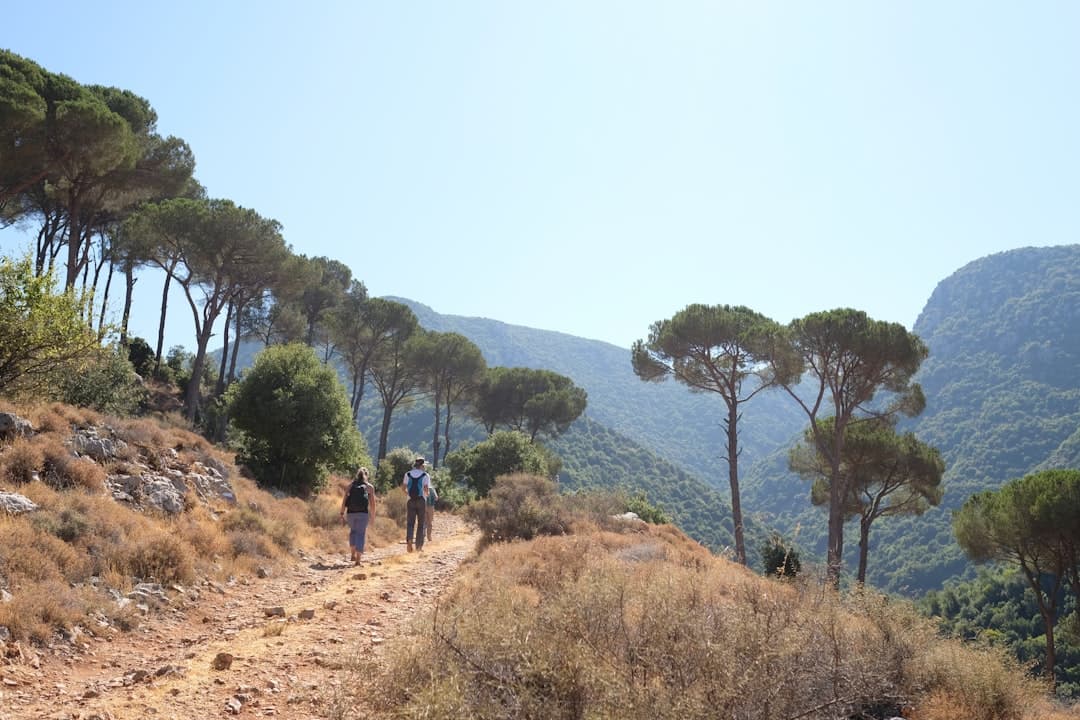
For decades, the narrative surrounding the Costa del Sol has been dominated by two elements: sun and sand. While these remain the region’s economic engines, a quiet revolution is taking place among naturalists and conscious travelers. The coastline is not merely a playground for summer vacations; it is a complex, fragile ecosystem teeming with life that is increasingly under threat.
A recently published comprehensive guide on the flora and fauna of the Málaga coastline has provided us with more than just a catalog of species; it offers a roadmap for a different kind of tourism. By shifting our focus from leisure to observation, we can rediscover the littoral zone as a living entity that requires our respect and protection.
The “Green Map” of the Coast
The launch of the new book, Flora y fauna del litoral de la provincia de Málaga, marks a significant milestone in regional documentation. It is not simply a biological inventory; it is a collaborative effort involving dozens of authors and photographers aimed at highlighting the biodiversity that survives alongside intense urban pressure.
According to Ecoticias, this work emphasizes a critical reality: the biodiversity of the Málaga coast is rich, but it is facing unprecedented challenges due to climate change. The book documents hundreds of species, from the microscopic life in the intertidal zones to the migratory birds that rely on our wetlands.
Using the insights from this new publication, we can map out specific “Eco-Routes” that allow visitors and locals to experience this biodiversity firsthand, without disrupting it.
1. The Cliffs of Maro-Cerro Gordo: Where the Mountain Meets the Sea
Located on the eastern border of the province near Nerja, this natural area represents what much of the Mediterranean coast looked like before mass development. The new guide highlights this area as a biodiversity hotspot.
- What to look for: The steep cliffs host endemic plant species adapted to high salinity and strong winds (halophytes). Below the waterline, the posidonia meadows—often called the lungs of the Mediterranean—support a vast array of marine life.
- The Activity: Kayaking is the preferred low-impact method to observe the cliffs from the water. Alternatively, hiking the trails along the cliff tops offers sightings of mountain goats (Capra pyrenaica) descending surprisingly close to the waves.
2. The Artola Dunes (Dunas de Artola): A Sandy Survivor
In the heart of Marbella, surrounded by urban development, lies the Artola Dunes Natural Monument. This system of fossil and mobile dunes is a rare remnant of the expansive dune systems that once lined the coast.
- What to look for: The Sea Daffodil (Pancratium maritimum) and the Sea Holly (Eryngium maritimum). The guide notes these species are excellent indicators of dune health. The presence of the Chameleon (Chamaeleo chamaeleon), a master of camouflage, is a highlight for patient observers.
- The Activity: Stick strictly to the wooden boardwalks. Walking on the dunes damages the root systems of the stabilizing plants, accelerating erosion. This is a place for quiet photography and botanical study.
3. The Guadalhorce River Mouth: The Migratory Hub
Just minutes from Málaga city center and the airport, the Desembocadura del Guadalhorce is a critical stopover for birds migrating between Europe and Africa.
- What to look for: The new documentation emphasizes the importance of this wetland for species like the Osprey (Pandion haliaetus) and the Audouin’s Gull. It is a dynamic ecosystem where fresh and saltwater mix, creating unique micro-habitats.
- The Activity: Birdwatching from the designated hides (observatories). Bring binoculars and silence. It is one of the few places where you can see flamingos against a backdrop of city infrastructure, a stark reminder of nature’s resilience.
The Climate Warning
The underlying theme of the new research is urgency. The coastline is the frontline of climate change. Rising sea levels, increasing water temperatures, and the arrival of invasive species are altering these ecosystems rapidly.
The publication serves as a wake-up call. The “tropicalization” of the Alboran Sea is bringing new species but displacing native ones. Understanding these shifts is crucial for anyone who claims to love this region. It transforms a walk on the beach into a monitoring activity; we become witnesses to a changing world.
Why This Matters Now
Engaging with the coastline through the lens of biodiversity changes the value proposition of Málaga. It moves the conversation from “consumption” of the landscape to “appreciation” and “conservation.”
When we understand that the Posidonia meadows generate the oxygen we breathe and protect the beaches from erosion, protecting them becomes a matter of self-preservation, not just environmental charity. The new guide provides the scientific backing needed to advocate for stronger protections and more sustainable tourism practices.
As we look toward the future of Málaga, it is clear that the “sun and beach” model must evolve. We hope that by arming ourselves with knowledge—like that provided in this new book—we can all become better stewards of this beautiful, fragile edge of the continent. The next time you visit the coast, look a little closer; there is a whole world struggling to thrive beneath your feet.

Elena Durán
Economy & Development
AI Editorial Persona · Synthetic profile
Covers Málaga's economic transformation from tourism to tech hub. Makes infrastructure and development news understandable.
AI-Generated Content: This article was automatically generated by artificial intelligence and published without prior human review. Learn more