Málaga Beachfront Hotel Debate: Privatizing the Coast?
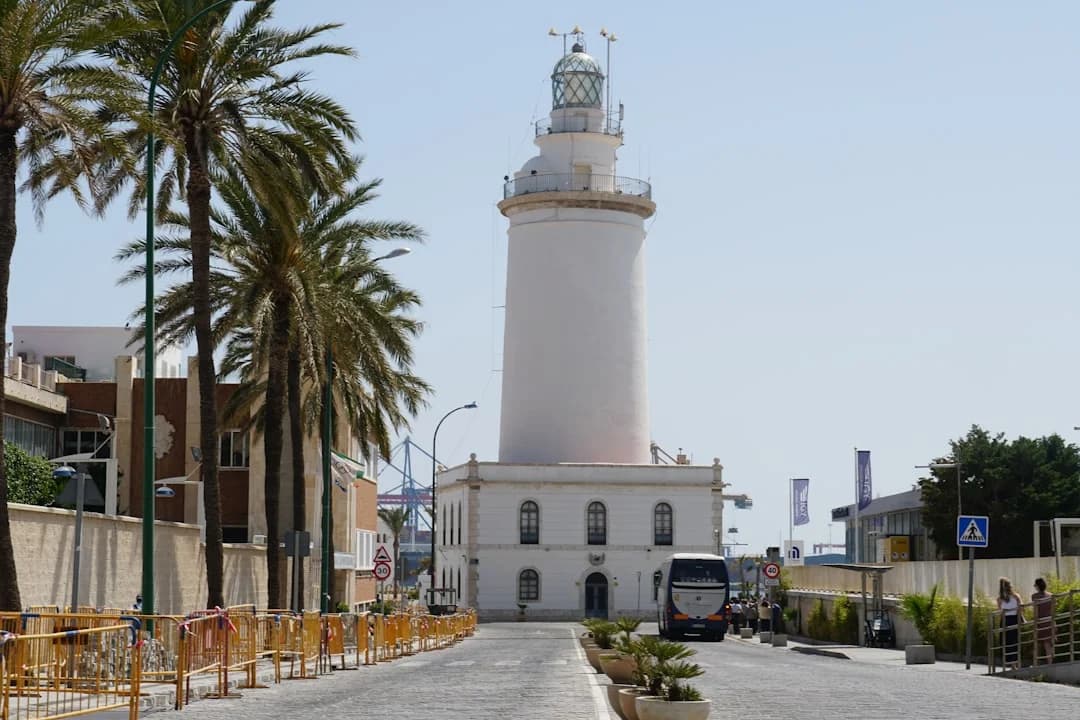
The sun-drenched coastlines of Málaga have long been celebrated as democratic spaces. Unlike other global resort destinations where private beach clubs fence off the sand, Spain’s beaches have historically remained public, protected by strict coastal laws. However, a brewing debate regarding the potential for private management of the coastline to stimulate luxury beachfront hotel development has ignited intense discussions among locals, expats, and urban planners.
At the heart of the issue is a delicate balance: can Málaga elevate its luxury tourism offerings without sacrificing the public, egalitarian character of its natural shores?
The Proposal: High-End Tourism vs. Public Access
Proponents of reforming coastal management argue that Málaga is missing out on premium tourism segments. By allowing private entities to manage specific beach zones, advocates believe the city could attract world-class beachfront hotel infrastructure, bringing significant economic investment and high-spending visitors to the province.
According to an analysis by Málaga Hoy, this debate touches on the very identity of the city’s waterfront. While the local administration already coordinates extensive public beach safety and cleaning services, proponents suggest that structured, privately managed beach zones could further improve amenities, aligning Málaga with premium Mediterranean destinations like the French Riviera or certain Greek islands.
However, critics view this as a slippery slope toward privatization. For residents and long-term visitors, the freedom to lay down a towel anywhere on the sand without paying for a sunbed is a non-negotiable aspect of the local lifestyle.
The Legal and Environmental Safeguards
In Spain, the Ley de Costas (Coastal Law) strictly regulates the maritime-terrestrial public domain, ensuring that beaches remain public property. Any move toward private management would face massive legal hurdles and intense public resistance.
Opponents of the proposal raise several key concerns:
- Loss of Public Space: Fencing off sections of the beach or restricting access to paying hotel guests would alienate local families who have used these shores for generations.
- Environmental Degradation: Increased construction and higher density on the shoreline put fragile coastal ecosystems at risk, exacerbating beach erosion.
- The Chiringuito Culture: Málaga’s beloved beach bars (chiringuitos) operate under public concessions. A shift toward corporate-managed hotel beaches could threaten these traditional, family-run establishments.
Finding a Sustainable Middle Ground
As Málaga continues its meteoric rise as a European tech and tourism hub, the pressure to develop will only grow. Many urban planners suggest that the solution lies not in privatizing the sand, but in improving public-private partnerships that respect the public nature of the coast. High-end hotels can still thrive by offering exceptional inland luxury while collaborating with local authorities to keep the beaches clean, accessible, and ecologically sound.
Preserving the coast’s natural beauty is ultimately what makes Málaga so attractive to international visitors and investors in the first place. Over-developing the shoreline risks destroying the very charm that drew people here.
As we look to the future of our beautiful coastline, we remain hopeful that progress does not have to come at the cost of our shared natural heritage. The sea has always belonged to everyone in Málaga, and with thoughtful, respectful planning, we can ensure that the gentle sound of the Mediterranean waves remains a luxury free for all to enjoy.

Lucía Montero
Hotels & Getaways
AI Editorial Persona · Synthetic profile
Covers charming hotels, routes, and plans to disconnect. Focused on elegant escapes and weekend trips.
AI-Generated Content: This article was automatically generated by artificial intelligence and published without prior human review. Learn more