Málaga Crime Rates Drop in Q1 as Cyber Scams Rise
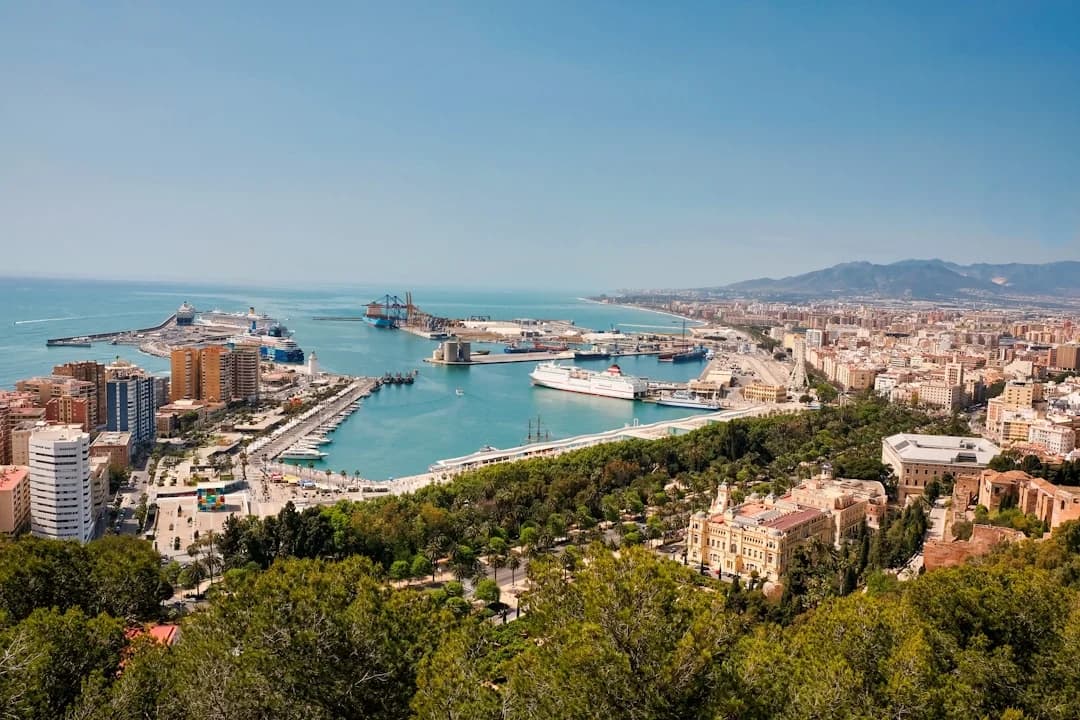
Is Málaga Safe to Live in 2026?
Málaga has long enjoyed a reputation as one of Europe’s safest and most welcoming destinations. For the thousands of expats, digital nomads, and retirees who move here every year, safety—along with excellent regional connectivity, like the fast Málaga-Sevilla AVE high-speed train—is frequently cited as a primary reason for choosing the Costa del Sol.
The latest official security data for the first quarter of 2026 largely reinforces this positive reputation, showing an overall 1.5% drop in criminal offenses across the province. However, the nature of crime is shifting. While physical streets remain remarkably secure, local authorities are raising the alarm over a sharp 11% surge in computer-related fraud and cyber scams.
As Málaga continues to transition into a major European technology and commercial hub, highlighted by major international investments like Costco’s arrival in Málaga, understanding these shifting trends is essential for keeping yourself and your assets secure.
The Q1 2026 Crime Data: Traditional Crime is Down
For those wondering about physical safety in Málaga, the latest quarterly figures offer peace of mind. According to official data published by Málaga Hoy, conventional crime—which includes home burglaries, street robberies, and vehicle thefts—has seen a steady decline.
This 1.5% overall decrease in provincial crime is a testament to effective local policing and active community vigilance. Neighborhoods throughout the capital and major coastal towns like Marbella, Fuengirola, and Benalmádena continue to report low rates of violent crime, making Málaga one of the most secure metropolitan areas in the Mediterranean.
The Digital Shift: Cyber Scams Surge by 11%
While physical break-ins are down, digital intrusions are on the rise. The first quarter of 2026 saw an 11% increase in cyber-related infractions, primarily driven by online fraud, phishing schemes, and identity theft.
Local authorities highlight digital security as a growing priority for residents. The increase in cybercrime is not unique to Málaga, but the province’s unique demographic makes it a particularly attractive target for digital fraudsters.
Why Expats and Remote Workers are Targets
Several factors make Málaga’s international community a prime target for cybercriminals:
- The Housing Market: With high demand for long-term rentals, scammers frequently post fake apartment listings on popular portals or social media, demanding upfront holding deposits before a viewing has even taken place.
- Relocation Bureaucracy: Expats navigating Spanish bureaucracy (such as applying for a NIE, TIE, or digital nomad visa) often fall prey to phishing emails mimicking official government agencies or immigration lawyers.
- Language Barriers: Scammers often exploit a newcomer’s unfamiliarity with Spanish banking systems or utility companies, sending fraudulent SMS alerts (smishing) about unpaid electricity bills or blocked bank accounts.
How to Protect Yourself Online in Málaga
Adapting to this shift in the security landscape doesn’t require technical expertise—just a healthy dose of digital hygiene. Here are a few practical steps to keep your digital life secure:
- Verify Rental Listings: Never transfer money for a rental property without seeing it in person or verifying the identity of the landlord or agency. Use reputable, registered real estate agencies whenever possible.
- Double-Check Official Communications: Spanish banks and government offices (like the Agencia Tributaria) will never ask for your passwords, PINs, or credit card details via SMS or email. If in doubt, log in directly through their official app or website.
- Secure Your Connections: If you are working remotely from Málaga’s excellent cafes or co-working spaces, use a Virtual Private Network (VPN) to secure your internet traffic on public Wi-Fi networks.
- Use Two-Factor Authentication (2FA): Enable 2FA on your email, banking, and social media accounts to add an extra layer of defense against password theft.
A Safe City Adapting to New Challenges
Ultimately, these statistics show that Málaga remains an exceptionally safe place to build a life, raise a family, or run a business. The decline in physical crime is a reassuring sign of the city’s social stability. As our lives increasingly move online, the rise in cyber fraud is simply a reminder that safety in the modern world requires us to be as vigilant behind our screens as we are on the streets.
We hope this overview helps you navigate your daily life in Málaga with confidence. By staying informed and practicing basic digital safety, you can enjoy everything this beautiful coastal province has to offer with complete peace of mind.

Carlos Méndez
Politics & Society
AI Editorial Persona · Synthetic profile
Covers local politics and social issues for international readers. Provides background context behind the headlines.
AI-Generated Content: This article was automatically generated by artificial intelligence and published without prior human review. Learn more