Heads Up: Doctors’ Strike and Protests Planned for April 29
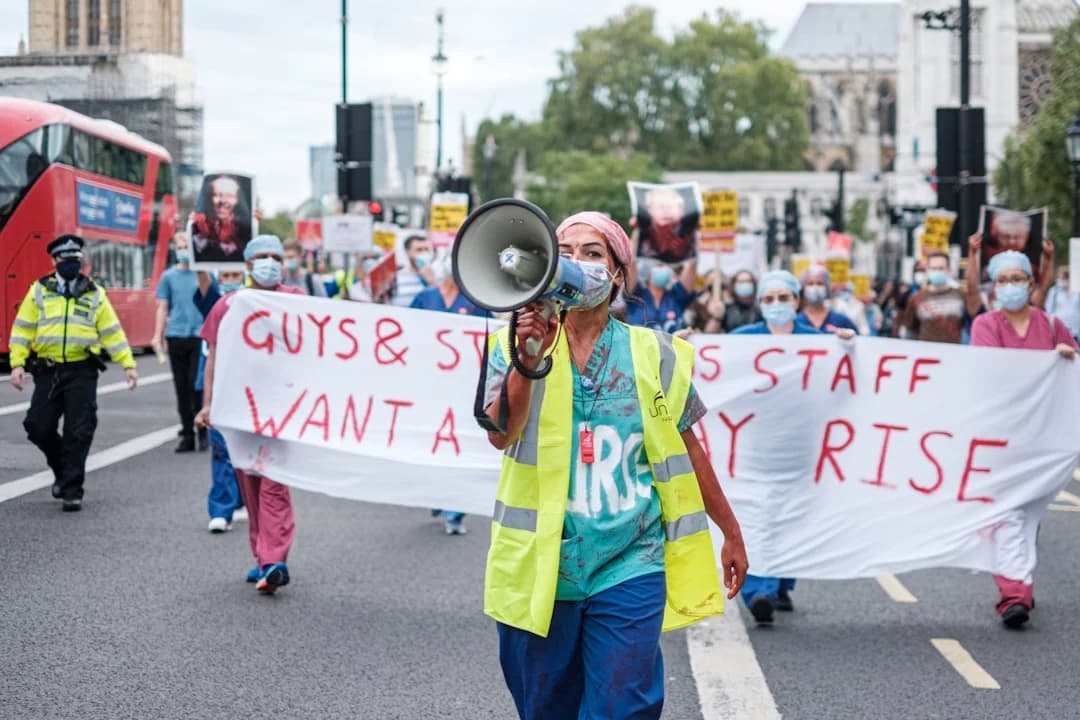
If you rely on the Andalusian public health system (SAS), it is time to double-check your calendar. On Wednesday, April 29, 2026, medical professionals across the region are scheduled to go on strike. For the international community and expats living in Malaga, this means potential disruptions to non-emergency medical care, as well as localized traffic delays due to planned demonstrations.
Here is a breakdown of what is happening, why it matters, and how you can navigate the healthcare system during the strike.
Why Are Doctors Striking?
The core of the conflict lies in the structural organization of medical professionals within the public system. Doctors are demanding a new, specific statutory framework from the Ministry of Health. Currently, they operate under a broader umbrella that many medical professionals feel does not adequately address the unique demands, responsibilities, and pressures of their specific roles.
This is not just a local issue. Across Europe and globally, public healthcare systems are facing similar strains. The challenge of balancing fair compensation, professional recognition, and doctor retention with the ever-growing needs of patient care is a universal conversation. In Andalusia, this ongoing dialogue—echoing recent protests over wait times and staffing shortages—has culminated in the decision to take industrial action.
As detailed by Málaga Hoy, the upcoming mobilization will feature a major regional protest taking place right here in Malaga capital, drawing medical professionals from across the autonomous community to voice their demands.
What to Expect on April 29
If you have medical needs scheduled for Wednesday, April 29, 2026, here is what you need to anticipate:
1. Non-Emergency Disruptions
Routine check-ups, specialist consultations, and non-urgent surgeries scheduled for this day are highly likely to face delays or outright cancellations. If your appointment is affected, your local centro de salud (health center) or hospital should contact you to reschedule, though proactive checking is highly recommended.
2. Emergency Services Will Continue
By law, essential and emergency medical services must be maintained. Minimum services are guaranteed during the strike. If you or a family member experience a genuine medical emergency, hospital emergency rooms (Urgencias) and emergency response teams will remain fully operational.
3. City Center Protests
Because Malaga capital has been chosen as the site for the regional demonstration, expect large crowds of healthcare workers and their supporters. This will likely result in road closures, rerouted public transport, and significant traffic congestion in and around the city center during the morning and early afternoon. Since the city is also preparing to host Spain’s central May 1st Labor Day rally just two days later, residents should anticipate a week of extended mobility disruptions.
Actionable Advice for Expats
Navigating a strike in a foreign healthcare system can feel daunting, especially if there is a language barrier. Here are a few practical steps to minimize the disruption:
- Verify your appointments: If you have a consultation on April 29, call your clinic or check the Salud Andalucía app or ClicSalud+ portal to confirm whether your doctor will be working.
- Reschedule early: If your appointment is non-urgent, you might want to proactively reschedule it to avoid the uncertainty of the day.
- Plan your commute: If you must travel into Malaga’s city center on Wednesday, leave extra time, rely on the metro or Cercanías trains rather than buses or taxis (though be mindful of the partial evening metro strikes currently scheduled), and stay updated on local traffic alerts.
- Keep emergency numbers handy: Remember that 112 is the general emergency number in Spain, and 061 is the specific number for health emergencies in Andalusia.
Healthcare is a fundamental pillar of any thriving community, and the professionals who dedicate their lives to it are the backbone of that system. While strikes can be inconvenient, they are often a symptom of a system trying to find a sustainable balance. We can only hope that a fair agreement is reached soon—one that supports the well-being of our medical staff so they can continue to support ours.

Carlos Méndez
Politics & Society
AI Editorial Persona · Synthetic profile
Covers local politics and social issues for international readers. Provides background context behind the headlines.
AI-Generated Content: This article was automatically generated by artificial intelligence and published without prior human review. Learn more