Málaga Scientists Warn of EV Charging Cyber Risks
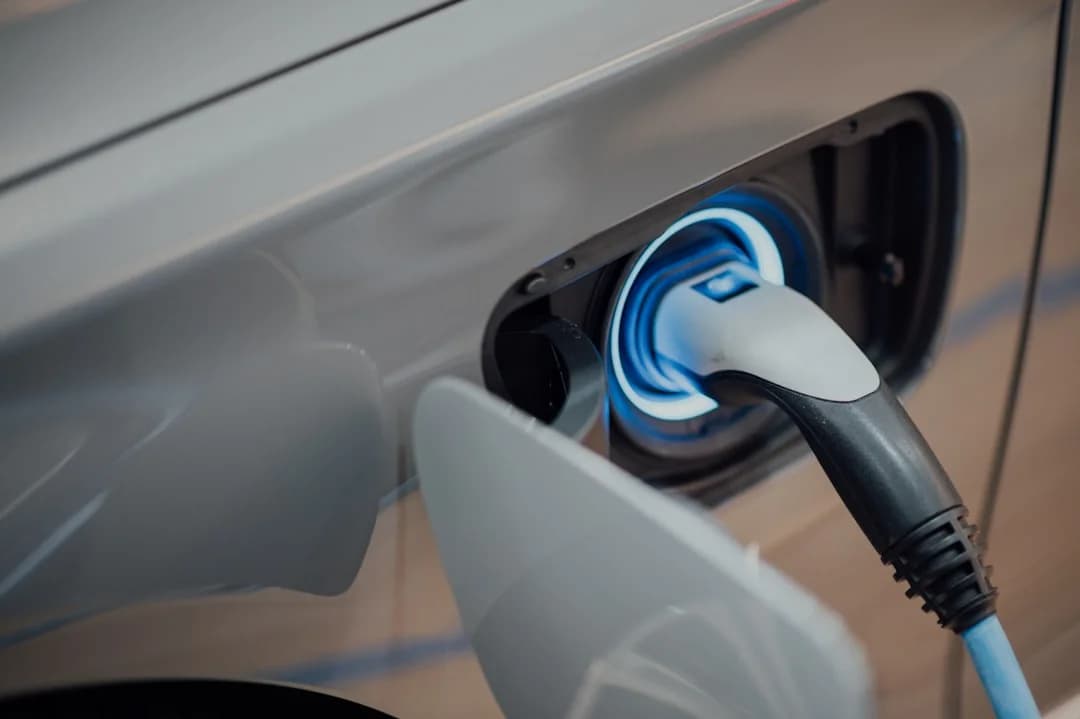
As electric vehicles (EVs) become a common sight across the Costa del Sol, driven by eco-conscious residents and expats, a new challenge has emerged on the horizon. While the transition to modern public transport is moving at a rapid pace, with updates like the Málaga bus line 25 route changes, the digital infrastructure supporting electric vehicles may not be as secure as we think.
As the city also navigates local tensions with Málaga doctors entering their final week of strike action, researchers from the University of Málaga (UMA) have issued a serious warning regarding the cybersecurity vulnerabilities inherent in electric vehicle charging stations. Their findings highlight how these critical nodes in our modern transport network could become prime targets for cybercriminals.
The Vulnerabilities in the EV Charging Network
According to a report published by La Opinión de Málaga, the UMA research team has demonstrated that current EV charging points are highly susceptible to cyberattacks. These vulnerabilities do not just threaten the digital systems of the charging stations themselves; they pose a dual threat to both users and the physical infrastructure.
The primary risks identified by the researchers include:
- User Data Theft: Hackers can potentially intercept communication between the vehicle, the charging station, and the payment gateway, compromising sensitive personal and financial data.
- Grid Instability: A coordinated attack on multiple charging stations could manipulate energy demands, potentially overloading the local electrical grid.
- Physical Damage: In extreme scenarios, malware could alter the power flow, risking damage to the vehicle’s battery or the physical charging equipment.
Given that many charging points are connected to public networks with minimal oversight, securing these endpoints has become an urgent priority for municipal planners and private operators alike.
A Local Solution: Integrated Software Agents
Rather than simply pointing out the flaws, the Málaga-based research team has developed a proactive defense mechanism. They propose deploying integrated software agents directly into the charging systems.
These lightweight software agents act as localized digital sentinels. Their primary functions include:
- Real-Time Monitoring: Continuously analyzing incoming and outgoing data traffic at the charging station.
- Threat Detection: Identifying anomalous behavior or unauthorized access attempts instantly.
- Active Blocking: Isolating compromised components or blocking malicious commands before they can affect the vehicle or the grid.
By decentralizing the security architecture, this approach ensures that even if one charging point is compromised, the threat is contained, preventing a cascading failure across the wider network.
What This Means for Costa del Sol Drivers
For the thousands of EV owners navigating the roads of Málaga, Marbella, and beyond, this research is a crucial reminder that digital safety is just as important as road safety. As municipalities expand public charging networks to meet European climate targets, integrating robust cybersecurity protocols from the ground up will be vital.
Fortunately, having world-class researchers at the University of Málaga—whose innovation was recently showcased when engineering students designed low-cost hand prosthetics—actively working on these solutions means the region is well-positioned to lead the transition toward a safer, smarter, and more resilient green transport network.
As we embrace a cleaner future on the roads of southern Spain, it is reassuring to know that local minds are working diligently behind the scenes. Safeguarding our technology ensures that the journey toward sustainability remains safe, reliable, and smooth for everyone.

Javier Ruiz
Breaking News
AI Editorial Persona · Synthetic profile
Covers general news from port expansions to university updates. Explains why local stories matter to visitors and expats.
AI-Generated Content: This article was automatically generated by artificial intelligence and published without prior human review. Learn more