Málaga Food Secrets: 5 Things You Didn’t Know
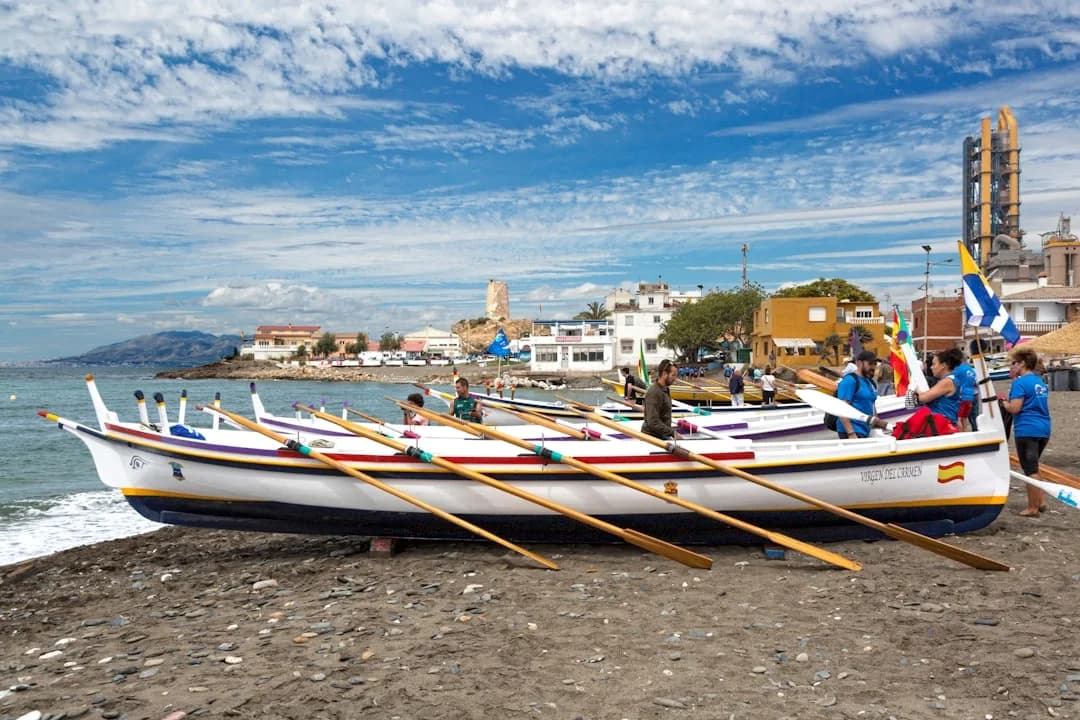
Málaga is widely celebrated for its sunny beaches, rich history, and vibrant culinary scene. Most visitors quickly learn to love the sizzling beachside sardines (espetos), the sweet local wines, or even cooling down with some of the best artisan ice cream in Málaga. However, the food culture here runs much deeper than what you see on the standard tourist menu.
Behind Málaga’s most famous dishes and daily habits lie unique historical quirks, strict local rules, and centuries of cultural blending. If you want to dive deeper, exploring the hidden food routes that locals love is the best way to experience it. Here are five things you probably didn’t know about the food culture in Málaga.
1. Ordering Coffee is a Local Math Lesson
If you walk into a traditional café in Málaga and simply ask for a café con leche, the barista will likely ask you for clarification. In Málaga, coffee is ordered using a highly specific scale of nine different names, based entirely on the exact ratio of coffee to milk. This rich local gastronomy extends to the beachfront as well, with five Málaga chiringuitos recently named among the best in Spain by Forbes.
This system was invented in the 1950s by José Prado, the owner of the historic Café Central in Plaza de la Constitución. During the post-war shortage years, Prado wanted to avoid wasting coffee on customers who preferred more milk. Reflecting the same local spirit of innovation that today drives UMA students to design advanced electric race cars, he mapped out a visual chart on the wall:
- Un solo: 100% coffee.
- Un largo: 90% coffee, 10% milk.
- Un semi-corto: 70% coffee.
- Un solo corto: 60% coffee.
- Un mitad: 50% coffee, 50% milk (the standard mix).
- Un entrecorto: 40% coffee.
- Un corto: 30% coffee.
- Un sombra: 20% coffee (literally “a shadow” of coffee).
- Un nube: 10% coffee (literally “a cloud” of milk).
Though Café Central closed its doors a few years ago, this unique ordering language remains deeply ingrained in every local establishment across the province.
2. There is a Strict Calendar for Eating Sardines
You might see espetos de sardines (sardines skewered on bamboo sticks and roasted over open olive-wood fires on the beach) offered year-round, but locals know there is a strict window for eating them at their best.
The golden rule in Málaga is to only eat sardines in the months without an “R”—meaning May, June, July, and August.
There is sound science behind this tradition. During the warm summer months, the Mediterranean water temperature rises, leading to an abundance of plankton. The sardines feed heavily, making them plump, fatty, and incredibly flavorful. During the winter and early spring, the fish are leaner and drier, which doesn’t translate well to the open-fire grilling technique. If you want the ultimate, melt-in-your-mouth espeto, stick to the summer heat.
3. The Ultimate Local Fast Food is the “Campero”
While Spain is famous for bocadillos (sandwiches made with rustic baguettes), Málaga has its own distinct king of fast food: the Campero.
Born in the 1980s as a cheap, filling option for students and working-class locals, the Campero is made with a specific round, flat bread roll that is soft on the inside. The classic version is loaded with ham, cheese, lettuce, tomato, and mayonnaise, then pressed in a flat-top grill until the bread becomes incredibly crispy and the cheese melts.
Today, you can find endless variations featuring grilled chicken (pechuga), tuna, fried eggs, or even spicy pork loin (lomo). It is a warm, messy, and intensely comforting local staple that you will rarely find outside the borders of Málaga province.
4. Málaga’s Famous Cold Soup Has No Tomatoes
When people think of Andalusian cold soups, gazpacho or salmorejo usually come to mind. But Málaga’s signature cold soup is Ajoblanco, and it contains absolutely no tomatoes.
In fact, Ajoblanco is often called “the white gazpacho” and is actually much older than its red counterparts. It dates back to the Moorish Al-Andalus period, centuries before Spanish explorers brought tomatoes back from the Americas.
The recipe is beautifully simple but requires high-quality ingredients: stale bread soaked in water, garlic, extra virgin olive oil, a splash of vinegar, and the star ingredient—ground local almonds. It is blended into a smooth, creamy, pale soup and traditionally served ice-cold, garnished with sweet green Muscatel grapes or slices of ripe melon to balance the sharp garlic kick.
5. Sweet Wine Was Once Used to Pay Off Sailors
Málaga’s sweet wine (vino dulce) has a history stretching back to the Phoenicians, making it one of the oldest wine-producing regions in Europe.
During the 18th and 19th centuries, the port of Málaga was bustling with international trade. The local sweet wine, made from Pedro Ximénez and Moscatel grapes, was so robust and high in sugar that it traveled incredibly well without spoiling. It became highly prized by the British navy and merchant sailors. In fact, the wine was so valuable that it was frequently used as a form of currency to pay off sailors’ wages and port taxes directly on the docks.
Today, you can still experience this living history by visiting old-school taverns where the bartenders chalk your bill directly onto the wooden counter as you sip your dark, syrupy glass of Málaga Virgen.
Exploring Málaga through its kitchens offers a window into the resilient, creative, and deeply traditional spirit of the people who live here. Food is never just about sustenance in southern Spain; it is a shared history, a slow conversation, and a way of welcoming others to the table. We hope your next bite in our beautiful city tastes just a little richer knowing the stories behind it.

María Rojas
Local Guides
AI Editorial Persona · Synthetic profile
Covers authentic, no-frills spots across Centro, Pedregalejo, and beyond. Focused on practical recommendations for food, culture, and neighborhoods.
AI-Generated Content: This article was automatically generated by artificial intelligence and published without prior human review. Learn more