Málaga Launches Bid for National Gastronomic Capital
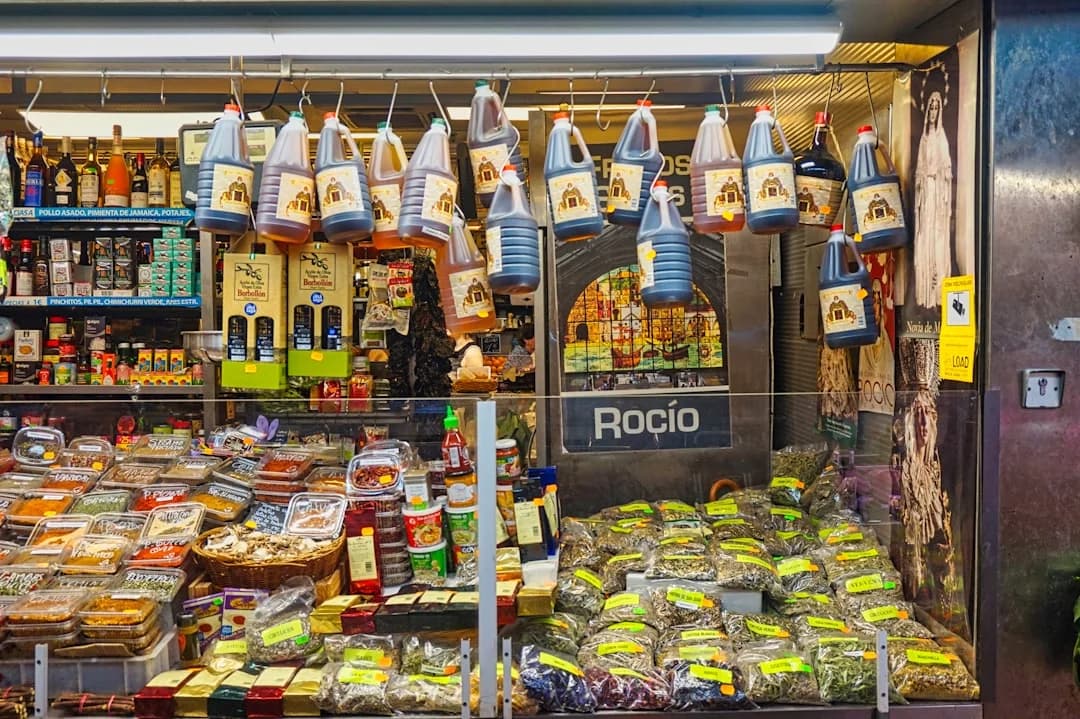
Málaga is widely celebrated for its year-round sunshine, rich history, and world-class museums. While the city is increasingly recognized as a technological powerhouse, recently highlighted by plans to build a new microelectronics hub at Malaga TechPark, it is now setting its sights on a different kind of recognition. The local government has officially launched an ambitious campaign to position Málaga as Spain’s next National Gastronomic Capital, aiming to spotlight the deep-rooted culinary identity of the region.
This initiative seeks to prove that Málaga’s food scene is not just a secondary attraction for sun-seeking tourists, but a powerhouse of culture, innovation, and sustainable quality in its own right.
A Shared Vision for Málaga’s Culinary Heritage
In a recent presentation, Málaga’s Mayor, Francisco de la Torre, emphasized that the bid is about much more than winning a title. It is an opportunity to reclaim and celebrate the city’s cultural identity through food. According to a report by Europa Press, the city council is working hand-in-hand with local hospitality and gastronomy associations to design a diverse program of activities.
This collaborative effort aims to connect traditional recipes with modern culinary techniques, ensuring that both local heritage and cutting-edge gastronomy are well represented. By doing so, Málaga aims to establish itself as a premier destination for high-quality, sustainable culinary tourism.
“Our gastronomy is a fundamental pillar of our culture. This bid is a tribute to our local producers, chefs, and the generations of families who have kept our culinary traditions alive.”
Beyond the Espeto: What Makes Málaga’s Food Unique?
While almost every visitor knows the joy of eating an espeto (grilled sardines) at a seaside chiringuito, Málaga’s gastronomic landscape is incredibly diverse. The province acts as a natural pantry, offering unique ingredients that define its local dishes:
- The Coast: Fresh seafood ranging from boquerones (anchovies) to red prawns and local clams (conchas finas).
- The Inland Valleys: Award-winning olive oils, goat cheeses from the Sierra de Málaga, and the famous sweet wines of the region.
- The Tropical Coast: The Axarquía region produces world-class avocados, mangoes, and chirimoyas, adding a fresh, tropical twist to modern Andalusian cuisine.
This incredible variety has fueled a culinary revolution. Today, Málaga boasts several Michelin-starred establishments alongside historic taverns, creating a dynamic food scene that appeals to traditionalists and adventurous foodies alike. From new tapas spots dedicated to Andalusian traditions to innovative concepts like premium gourmet burgers served at local gas stations, the city’s culinary boundaries are constantly expanding.
What to Expect: Events and Activities
As part of the bid, the city council and local hospitality groups are rolling out a series of public events, workshops, and food markets. These initiatives are designed to involve both residents and the international community, making high-quality gastronomy accessible to everyone.
Visitors and locals can expect special tasting menus, historical food tours, and collaborations between traditional neighborhood taverns and contemporary chefs. These events will highlight the Sabor a Málaga (Taste of Málaga) brand, which certifies the quality and origin of local provincial products.
How to Experience Málaga’s Best Food Right Now
If you want to dive into the flavors that make Málaga a worthy contender for the Gastronomic Capital title, here is where you should start:
- Visit the Local Markets: Head to Mercado de Atarazanas or Mercado del Carmen. These bustling hubs are perfect for tasting fresh local cheese, olives, and seafood straight from the stalls.
- Explore Traditional Taverns: Step into historic spots like El Pimpi or Antigua Casa de Guardia to sample local sweet wines paired with simple, authentic tapas.
- Try Creative Andalusian Cuisine: Book a table at one of the city’s modern bistros, where chefs are reinventing classic dishes like ajoblanco (cold almond soup) with creative, modern presentations.
We hope this exciting bid brings even more appreciation to the hardworking farmers, fishermen, and chefs who make dining in Málaga such a joy. Food has a unique way of bringing people together, and we look forward to sharing many more memorable meals around the table in this beautiful city.

María Rojas
Local Guides
AI Editorial Persona · Synthetic profile
Covers authentic, no-frills spots across Centro, Pedregalejo, and beyond. Focused on practical recommendations for food, culture, and neighborhoods.
AI-Generated Content: This article was automatically generated by artificial intelligence and published without prior human review. Learn more