Málaga Tapas Secrets: Hidden Food Routes Locals Love
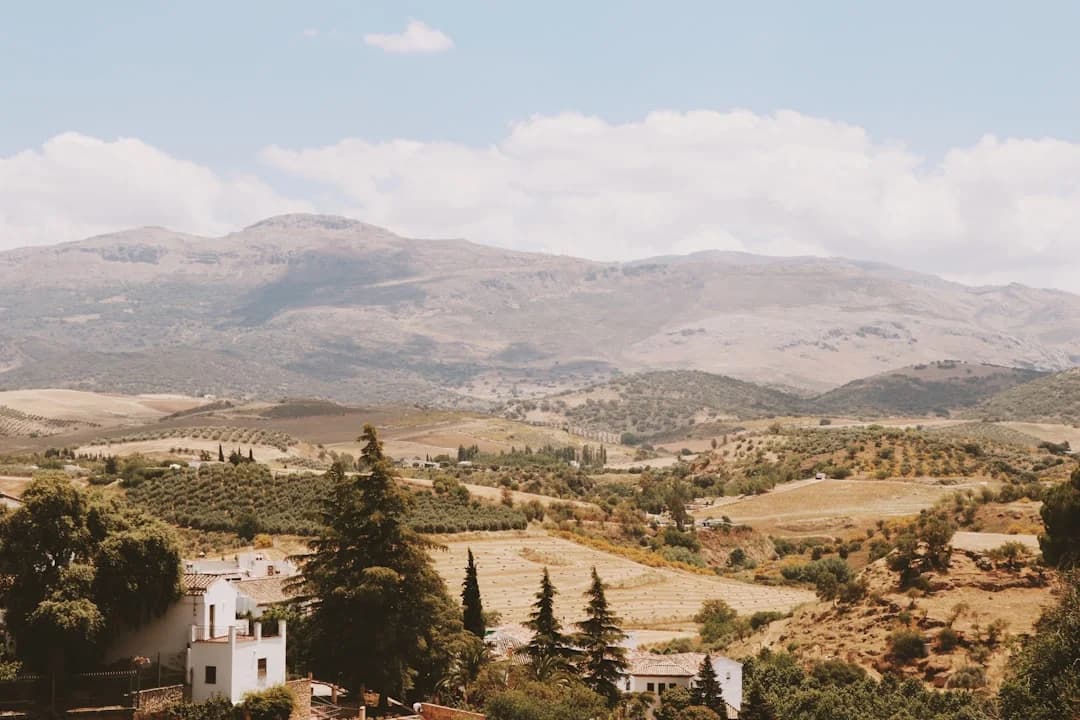
While Málaga’s global reputation as a cultural and tech hub continues to soar, its culinary landscape remains deeply rooted in tradition. Beyond the bright lights of Calle Larios and the busy terraces of Plaza de la Merced lies a parallel food universe. This is where locals stand shoulder-to-shoulder at wooden bars, ordering by a nod of the head, and enjoying dishes that have tasted the same for generations.
To truly understand Málaga, you have to eat like a Malagueño, ideally enjoying fresh seafood along a coastline where Málaga now uses AI to predict jellyfish influxes. Here is your blueprint to the hidden food routes, neighborhood secrets, and unwritten rules of the city’s authentic food scene.
Route 1: The Backstreet Taverns of Centro Histórico
It is easy to get lost in the tourist-oriented menus of the historic center, but a few steps down the narrower alleys reveal historic institutions untouched by passing trends, where one can quietly appreciate the local culture or reflect on Concha Badía Fraga’s insights on overcoming the fear of poetry.
La Recova: The Ultimate Andalusian Breakfast
Just off the beaten path near the Iglesia de San Juan, La Recova offers a morning experience like no other. Part antique shop, part traditional café, this tiny spot serves a breakfast that defines simplicity.
* The Order: Ask for the desayuno tradicional. You will receive a large piece of toasted rustic bread alongside a cardboard egg carton filled with different spreads: homemade marmalades, lard (manteca colorá), spiced tomato, and fresh olive oil. Pair it with a classic Málaga coffee.
Antigua Casa de Guardia: Standing Room Only
Founded in 1840, this is Málaga’s oldest winery and tavern. Located on the edge of Alameda Principal, it features a long, dark wood bar where bartenders write your tab in chalk directly on the counter.
* The Order: Squeeze into the crowd and point to one of the massive wooden barrels. The Pajarete (a sweet, dark local wine) or Seco Trasanejo are local favorites. Accompany your glass with a simple plate of fresh mussels or local olives.
Route 2: Huelin and Cruz de Humilladero (The Working-Class Feast)
To experience the true heart of Málaga’s seafood culture without the premium prices of the center, head west to the traditional neighborhoods of Huelin and Cruz de Humilladero.
Mercado de Huelin vs. Mercado de Atarazanas
While the central Atarazanas Market is a visual masterpiece, the Mercado de Huelin is where local families actually do their weekly shopping. The seafood section here is loud, chaotic, and incredibly fresh.
* The Local Secret: Look for the small fry-shops (freidurías) inside or immediately adjacent to the market. Here, you can buy a paper cone (cartucho) of perfectly fried boquerones (anchovies) or calamaritos (baby squid) to eat on the go.
Marisquería Huelin
For a sit-down meal, skip the harbor front and find this neighborhood favorite. It operates on a simple premise: ultra-fresh seafood, rapid service, and exceptionally fair prices. Order the conchas finas (large local clams served raw with pepper and lemon) and a plate of grilled red prawns.
Route 3: The Eastern Coastline (Pedregalejo to El Palo)
Every guide tells you to eat espetos (sardine skewers grilled over open olive-wood fires on the beach). But where you eat them matters.
Local Tip: The further east you walk along the promenade from Pedregalejo toward El Palo, the lower the prices drop and the more local the crowd becomes.
El Palo: The Fisherman’s Stronghold
While Pedregalejo has become trendy and bohemian, El Palo maintains its gritty, authentic fishing-village charm.
* Chiringuito El Tintero: Famous for its unique “auction-style” service. Waiters run out of the kitchen carrying hot plates of fish, shouting what they have. If you want it, you flag them down. At the end of the meal, the waiter counts the plates on your table to calculate the bill.
* Chiringuito Rompeolas: If you prefer a quieter, highly traditional experience, this spot offers some of the best-value espetos de sardinas on the coast, grilled by master espeteros right on the sand.
The Málaga Coffee Dictionary
Ordering coffee in Málaga is an art form. In the 1950s, the owner of the historic Café Central invented a unique scale to avoid wasting coffee during post-war shortages. Locals still use these precise terms today:
- Solo: 100% coffee, no milk.
- Largo: 80% coffee, 20% milk.
- Semi-Solo: 70% coffee, 30% milk.
- Mitad: 50% coffee, 50% milk (the most common choice).
- Sombra: 30% coffee, 70% milk.
- Nube: 10% coffee, 90% milk (literally a “cloud” of coffee in hot milk).
- No me lo ponga: “Don’t give me any” (a humorous nod to the bottom of the original scale).
Essential Tapas Etiquette for Travelers
To blend in seamlessly with the locals, keep these unwritten rules in mind:
- The Bar is King: Dining at a table often comes with a small service surcharge and a more formal pace. Eating standing up at the bar is where the energy is, and it makes it easier to chat with the staff.
- Don’t Order Everything at Once: Tapas are meant to be ordered in rounds. Start with two or three dishes, see what you like, and then order more. This ensures your food always arrives hot.
- Share Everything: Tapas culture is inherently social. Dishes are placed in the middle of the table for everyone to share.
- Follow the Crowd: If a bar looks packed, noisy, and slightly chaotic, that is a sign of high-quality, fast-moving fresh food. Don’t be intimidated; squeeze in and find a spot.
Sharing a meal in Málaga is about far more than just sustenance; it is a daily celebration of community, history, and the simple pleasures of the Mediterranean. We hope this guide encourages you to step off the familiar paths, try something new, and experience the warm hospitality that defines our city’s neighborhoods.

María Rojas
Local Guides
AI Editorial Persona · Synthetic profile
Covers authentic, no-frills spots across Centro, Pedregalejo, and beyond. Focused on practical recommendations for food, culture, and neighborhoods.
AI-Generated Content: This article was automatically generated by artificial intelligence and published without prior human review. Learn more