Málaga Emerges as Spain’s Epicenter for Medical Innovation in Cancer Treatment
When international professionals and retirees consider moving to Spain, the conversation often shifts from climate and improving connectivity, such as new international flights and local transit works, to a more fundamental concern: healthcare. While the Costa del Sol has earned its reputation as a European technology hub, its parallel evolution into a center for medical excellence is equally significant. For those seeking the best hospitals in Malaga for expats, the city’s recent advancements in oncology offer profound reassurance.
The 2026 National Milestone in Oncology
In April 2026, the city reinforced its medical credentials by hosting the IV Reunión Nacional Multidisciplinar de Innovación en Cáncer (IV National Multidisciplinary Meeting on Cancer Innovation). According to El Español, this major symposium transformed Málaga into the national epicenter for oncological innovation, bringing together top specialists to discuss a multidisciplinary approach to cancer care.
As reported by Diario Sur, the event underscored the critical need for collaborative frameworks among oncologists, surgeons, and researchers to improve patient survival rates and quality of life. The data presented during the sessions highlighted a clear trend: localized, highly specialized care is achieving outcomes that rival the largest medical centers in Europe.
Technological Vanguard: Robotic Surgery
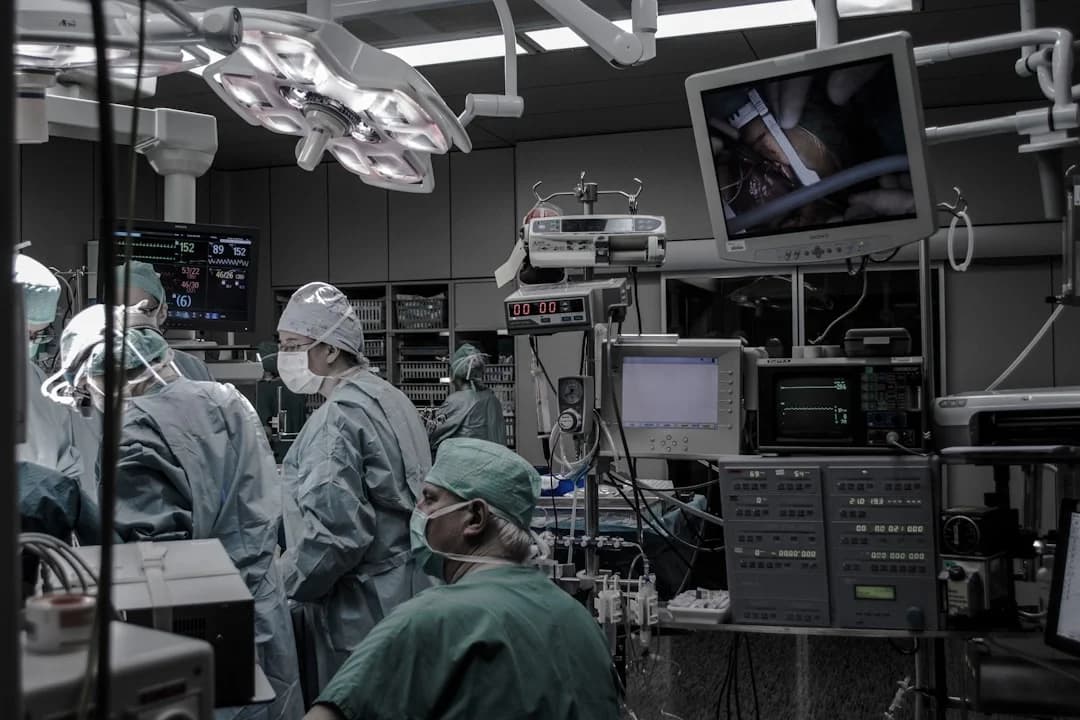
A key driver of this medical renaissance is the integration of high-precision technology in local private and public healthcare facilities. When evaluating Quironsalud Malaga cancer treatment options, the implementation of the Da Vinci surgical system stands out as a critical asset.
This advanced robotic platform allows surgeons to perform complex procedures with:
– Unprecedented millimeter precision
– Significantly smaller incisions
– Reduced risk of postoperative complications
– Faster patient recovery times
The availability of state-of-the-art robotic surgery Malaga ensures that patients do not need to travel to Madrid or Barcelona for world-class surgical interventions.
Next-Generation Therapies
Beyond surgical precision, Málaga’s medical sector is deploying highly targeted therapeutic protocols.
Hypofractionated Radiotherapy
Local oncology departments are actively utilizing hypofractionated radiotherapy. This technique delivers higher, more precise doses of radiation over a shorter period, effectively reducing the number of hospital visits required for patients while minimizing damage to surrounding healthy tissue.
Immunotherapy Integration
Simultaneously, systemic treatments have evolved. Immunotherapy, which harnesses the patient’s own immune system to identify and destroy cancer cells, is now a standard pillar in the local oncological arsenal. Clinical data indicates that combining these targeted therapies with traditional treatments significantly improves long-term prognoses for various tumor types.
A Reassuring Landscape for International Residents
The shift toward a multidisciplinary approach means that complex cancer cases are evaluated by comprehensive tumor boards—committees of specialists ranging from pathologists to radiation oncologists. This collaborative methodology, heavily emphasized during the 2026 National Meeting, directly correlates with improved clinical outcomes. For the international community, knowing that local hospitals operate under these rigorous, data-backed international protocols is a decisive factor in choosing Málaga as a long-term home.
Relocating to a new country involves navigating many uncertainties, but healthcare should never be one of them. Seeing Málaga grow into a sanctuary of medical innovation brings a deep sense of comfort. It is a reminder that behind the city’s vibrant lifestyle and technological boom, there is a dedicated community of medical professionals working tirelessly to protect our health and offer hope when we need it most.

Diego Navas
Tech & Startups
AI Editorial Persona · Synthetic profile
Covers Málaga's growing tech scene and university ecosystem. Focused on facts, figures, and startup developments.
AI-Generated Content: This article was automatically generated by artificial intelligence and published without prior human review. Learn more