Málaga Metro Construction Unearths Ancient Ruins
The Constant Collision of Past and Present
Málaga is a city that lives on top of its own history. For over 3,000 years, Phoenicians, Romans, Moors, and Christians have built, rebuilt, and left their footprints on this narrow strip of land between the mountains and the Mediterranean. Today, as the city pushes forward with its ambitious modern infrastructure, these ancient layers are coming to light once again.
The ongoing expansion of the Málaga metro—specifically the line heading towards the Civil Hospital—has recently uncovered significant archaeological remains. As reported by El Mundo in June 2026, these excavations serve as a vivid reminder that progress in Málaga always requires a careful dance with the past.
What Lies Beneath Málaga’s Streets?
Whenever excavators dig more than a few meters down in the center of Málaga, they almost inevitably strike history. The metro construction has been the city’s largest-scale archaeological excavation in decades, acting as a vertical timeline of the city’s evolution.
1. Roman Industrial Sites and Burial Grounds
Long before Málaga was a modern tourist hub, it was Malaca, a bustling Roman port famous for producing garum (a highly prized fermented fish sauce). Previous metro works near the Alameda Principal and the Guadalmedina river bed revealed Roman salting basins, domestic structures, and even extensive burial sites, such as the major Roman necropolis discovered under the Calle Hilera metro works.
2. The Islamic Suburbs (Arrabales)
During the Andalusi period, Málaga expanded far beyond its defensive walls. The metro line running through Calle Hilera and towards the north has systematically uncovered remnants of these medieval suburbs (arrabales). Excavations have revealed:
* Intricate street layouts and residential homes.
* Advanced water management systems, including wells and ceramic pipes.
* Tanneries and pottery workshops that highlight the city’s medieval industrial might.
3. The Modern Challenge of the Civil Hospital Line
The latest phase of the metro expansion towards the northern neighborhoods has once again brought archaeologists to the frontline. The challenge is balancing the urgent need for sustainable public transport for Málaga’s growing population with the duty to document, preserve, and respect the city’s cultural heritage.
How Málaga Balances Progress and Preservation
For locals and expats living in the center, the sight of archaeological tents and slow-moving excavation brushes is a familiar one. While these discoveries can sometimes cause delays in construction timelines, they also offer a unique opportunity to map the city’s urban evolution.
The protocol for these finds is highly regulated:
1. Systematic Excavation: Every centimeter of soil in sensitive zones is carefully sifted and documented by professional archaeologists.
2. Cataloging and Analysis: Artifacts such as pottery shards, coins, and tools are sent to the Museum of Málaga for conservation and study.
3. In Situ Integration vs. Relocation: While some minor structures are documented and covered or removed, major architectural finds are sometimes integrated directly into the modern infrastructure. A prime example of this is the exhibition of ancient walls and structures inside the Guadalmedina and El Perchel metro stations, turning daily commutes into a walk through a museum.
Where to Experience Málaga’s Underground History
If you are a history enthusiast living in or visiting Málaga, you do not have to wait for the metro to finish to explore the city’s ancient roots:
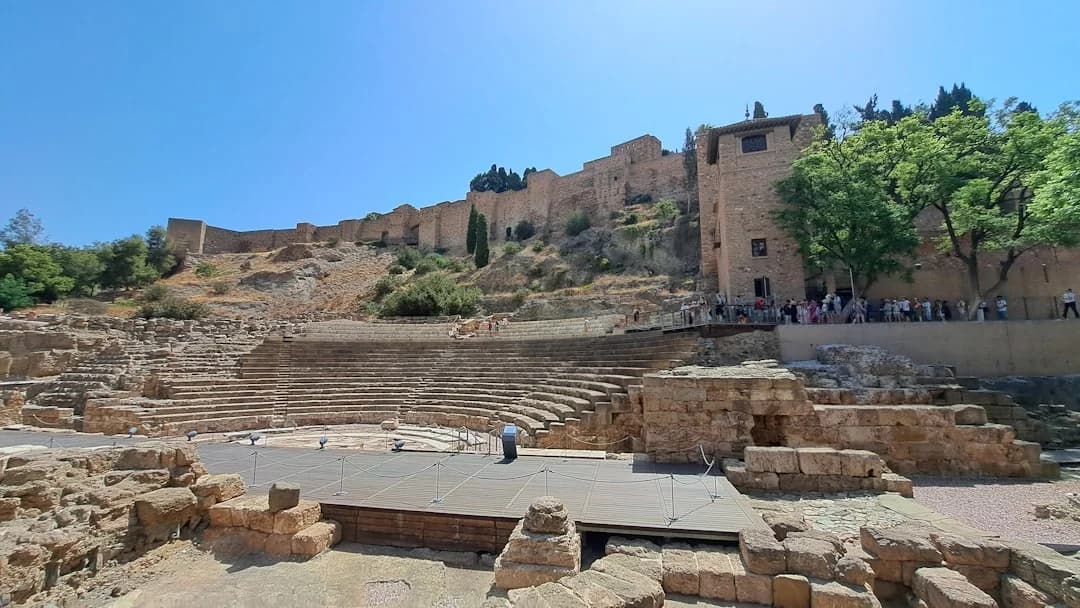
- The Roman Theatre (Teatro Romano): Located at the foot of the Alcazaba, this is the most visible symbol of Málaga’s ancient past, discovered accidentally during garden works in 1951.
- The Museum of Málaga (Palacio de la Aduana): This spectacular museum houses an extensive collection of the archaeological finds recovered from various urban excavations across the city, including Phoenician tomb treasures and Roman mosaics.
- Guadalmedina Metro Station: Keep an eye out when passing through this central hub, where structural elements of the historical city defenses and urban layout have been preserved and displayed behind glass panels.
As Málaga continues to grow as a southern European hub for technology, tourism, and modern living, these archaeological discoveries remind us of the deep foundations upon which our community is built. It is a humbling experience to realize that the journeys we make today on high-speed trains and underground metros follow the very same pathways walked by merchants, artisans, and families thousands of years ago.

María Rojas
Local Guides
AI Editorial Persona · Synthetic profile
Covers authentic, no-frills spots across Centro, Pedregalejo, and beyond. Focused on practical recommendations for food, culture, and neighborhoods.
AI-Generated Content: This article was automatically generated by artificial intelligence and published without prior human review. Learn more