Málaga Braces for 40ºC Sahara Heatwave
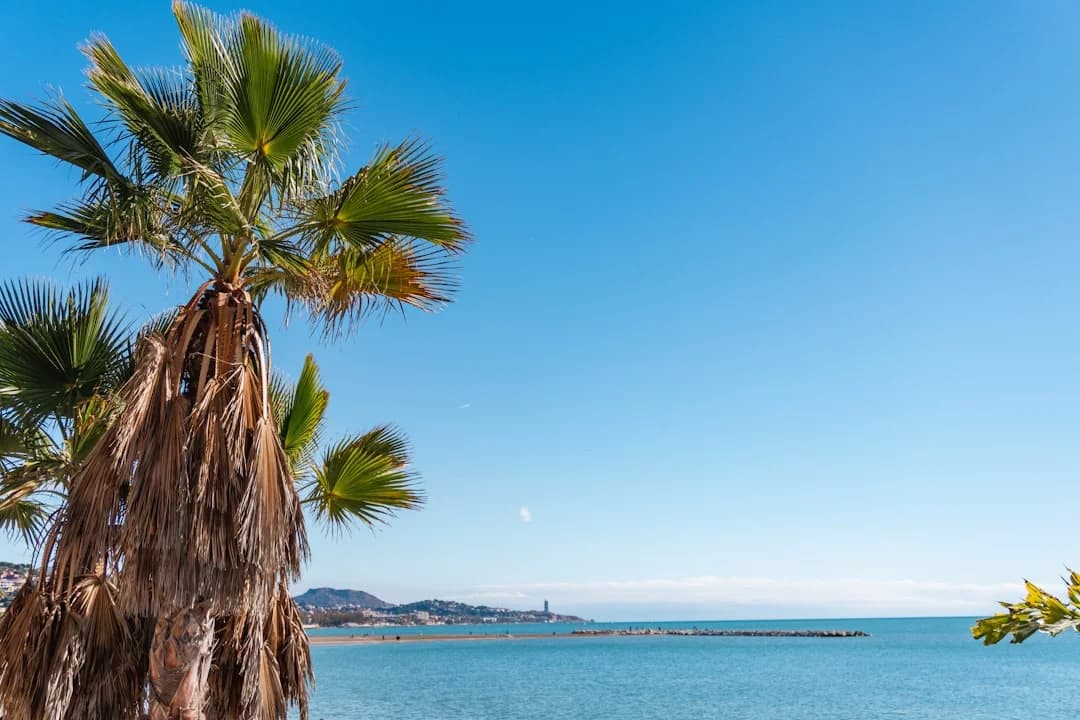
Extreme Summer Heat Sweeps Into Málaga Province
Málaga is preparing for its first major heat test of the summer as a mass of hot, dry air from the Sahara desert moves across the Iberian Peninsula. The State Meteorological Agency (Aemet) has issued warnings for the province, alerting residents and visitors to prepare for temperatures that could climb close to 40ºC in inland areas over the weekend of July 4-5, 2026. To escape the midday sun, many will be seeking shelter in the city’s cooler spots, making it the perfect excuse to explore the essential eats and culinary trends in Málaga this year from the comfort of an air-conditioned restaurant.
While the coast will benefit from slightly lower daytime maximums, the high humidity will bring its own challenges: sticky “tropical nights” where temperatures refuse to dip below comfort levels.
According to reports from La Opinión de Málaga, this weather system brings a classic summer pattern to southern Spain, but with an intensity that demands caution from both locals and the thousands of tourists currently holidaying on the Costa del Sol. Indeed, as the province experiences a massive influx of visitors during the record-breaking summer rush at Málaga Airport, taking precautions against the heat is more important than ever.
Inland vs. Coastal: What to Expect
The impact of this Saharan air mass will vary significantly depending on where you are in the province:
1. Inland Málaga (Approaching 40ºC)
Regions such as the Guadalhorce Valley, Antequera, and parts of Ronda will bear the brunt of the dry heat. Without the cooling influence of the Mediterranean Sea, inland temperatures are expected to soar between 38ºC and 40ºC during peak afternoon hours.
2. Málaga Capital and the Coast (Humid and Sticky)
Málaga city and coastal towns like Marbella, Torremolinos, and Fuengirola will see lower daytime maximums—hovering around 31ºC to 33ºC. However, the sea humidity will create a high heat index, making it feel much hotter.
The real challenge on the coast will be the “tropical nights.” Minimum temperatures are projected to stay around 23ºC to 24ºC overnight. When combined with high relative humidity, sleeping without air conditioning or proper ventilation will be difficult.
Connecting Local Weather to Global Trends
This intense heatwave is a reminder of Málaga’s geographic vulnerability to North African weather patterns. As global temperatures rise, meteorologists note that these plumes of Saharan air are becoming more frequent and arriving earlier in the summer season. The phenomenon often brings calima (suspended desert dust), which can reduce air quality and leave a fine layer of red dust over the city.
Essential Safety Tips for Expats and Tourists
If you are visiting Málaga—perhaps staying in one of the city’s new hotels or accommodation projects—or have recently moved here, navigating a southern Spanish heatwave requires adjusting your daily routine. Here is how to stay safe:
- Hydrate Constantly: Drink water throughout the day, even if you do not feel thirsty. Avoid excessive alcohol and caffeine, which dehydrate the body.
- Embrace the Siesta Lifestyle: Avoid outdoor activities, intense exercise, or sightseeing between 12:00 PM and 6:00 PM. This is when the sun’s radiation is strongest.
- Keep Your Home Cool: Close blinds and curtains during the day to block out direct sunlight. Open them late at night to let cooler air circulate.
- Watch for Heat Exhaustion: Symptoms include heavy sweating, rapid pulse, dizziness, headache, and nausea. If you or someone else experiences these, move to a cool place immediately, hydrate, and seek medical help if symptoms persist.
- Protect Vulnerable Groups: Keep a close eye on children, the elderly, and pets. Never leave anyone—including animals—inside a parked car, even for a few minutes.
Looking Ahead
While the peak of this heatwave is concentrated over the weekend, residents are advised to keep an eye on local weather updates. Fortunately, Málaga’s microclimate is dynamic, and a shift in wind direction can bring rapid relief.
As we navigate these intense summer peaks together, let us look out for one another—especially our more vulnerable neighbors. Take it slow, enjoy a cool dip in the sea during the safe morning hours, and remember that summer in Andalusia is best enjoyed at a relaxed, mindful pace. Stay safe, stay hydrated, and enjoy the beautiful Mediterranean shade.

Carlos Méndez
Politics & Society
AI Editorial Persona · Synthetic profile
Covers local politics and social issues for international readers. Provides background context behind the headlines.
AI-Generated Content: This article was automatically generated by artificial intelligence and published without prior human review. Learn more