Málaga Culture: 5 Secrets You Probably Didn’t Know
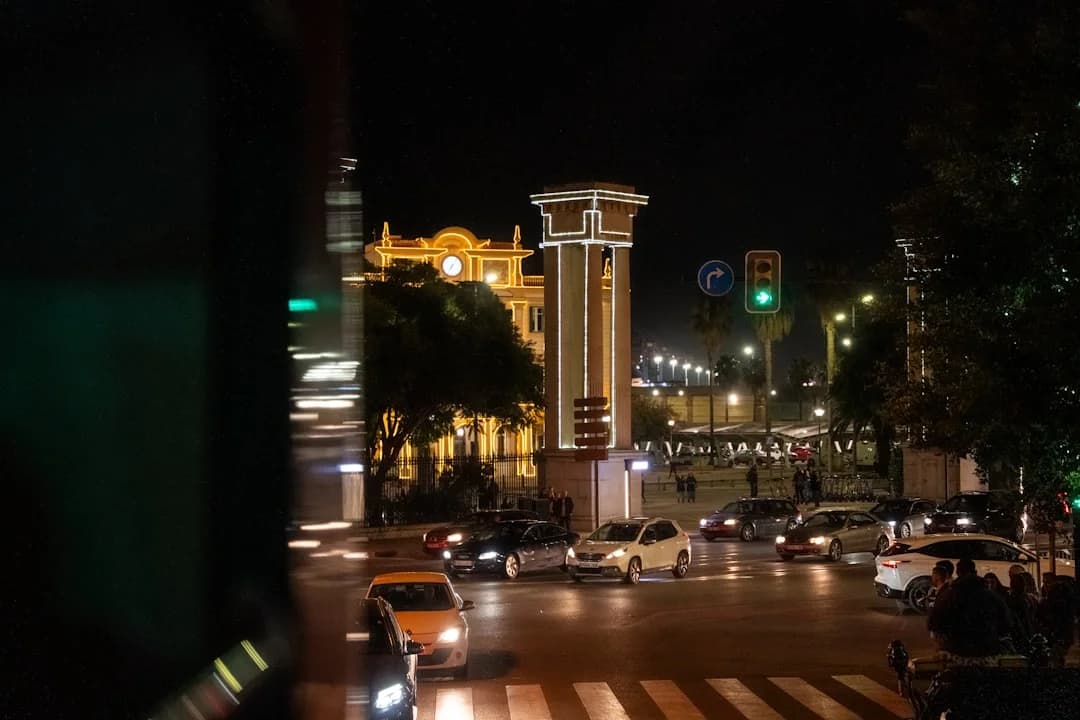
Málaga is widely celebrated as a glittering capital of the Costa del Sol, famous for its golden beaches, lively tapas scene, and world-class museums. Millions of travelers arrive every year to walk the marble-paved Calle Larios or climb the historic Gibralfaro.
But if you look beneath the polished surface, you will find a city shaped by centuries of Phoenician, Moorish, and Christian heritage, alongside quirky modern traditions. Here are five fascinating things you probably didn’t know about the culture of Málaga.
1. The Iconic “Biznaga” is Not a Real Flower
If you have spent any time in Málaga during the summer, you have likely seen street vendors (biznageros) dressed in traditional white shirts and black trousers, selling beautiful, intensely fragrant white flowers. This flower, the biznaga, is the unofficial symbol of the city.
However, the biznaga does not grow in the wild. It is a meticulous, handcrafted piece of local folk art.
To make a biznaga, artisans gather wild thistle stems (nerdo) in late spring. They dry the stems and trim them until they resemble a small umbrella. Then, during the hot summer nights, they carefully insert individual, unopened jasmine buds onto each tiny spike of the dry stem. When the sun goes down, the jasmine buds open all at once, creating a perfect, blooming sphere with an unforgettable aroma.
2. It Houses Spain’s Oldest Protestant Cemetery
Tucked away on the slopes of the Gibralfaro hill lies the English Cemetery (Cementerio Inglés). Established in 1831, it is the oldest non-Catholic Christian cemetery in mainland Spain.
Before its creation, Protestants who died in Málaga faced a grim fate: because they could not be buried in consecrated Catholic ground, their bodies had to be buried upright in the sand of the beach at night, at the mercy of the tide and scavengers.
William Mark, the British Consul at the time, successfully campaigned to secure a dedicated burial ground. Today, it is not just a cemetery but a hauntingly beautiful, lush botanical garden filled with historic tombs, exotic plants, and a unique collection of red-brick, neo-Gothic architecture.
3. The Communal Heart of the “Corralones”
While tourists flock to the grand apartments of the historic center, Málaga’s working-class history lives on in the historic neighborhoods of El Perchel and La Trinidad. Here, you can find traditional communal housing blocks known as corralones.
Dating back to the 19th century, these buildings feature small, private apartments arranged around a large, open-air central courtyard. Historically, these courtyards were the center of daily life—where neighbors washed clothes, cooked, looked after each other’s children, and shared stories.
To keep this community spirit alive, the city historically hosts the Semana de los Corralones (typically in spring or early summer), where residents open their beautifully decorated, plant-filled courtyards to the public. It is a rare glimpse into a tight-knit, authentic way of living that has largely disappeared from modern European cities.
4. Picasso’s First Muse Was the Plaza de la Merced Pigeons
Everyone knows that Pablo Picasso was born in Málaga in 1881. His birthplace on Plaza de la Merced is now a popular museum. What many do not realize is how much the everyday sights of his early childhood in Málaga influenced his entire artistic legacy.
Picasso’s father, José Ruiz y Blasco, was an art teacher who specialized in painting birds, particularly the pigeons that flocked to Plaza de la Merced. Young Pablo spent hours watching these birds from his window and learning to draw them under his father’s guidance.
Decades later, when Picasso was asked to design a poster for the 1949 World Peace Congress in Paris, he drew a simple, elegant dove. That image became the universal symbol of peace—and its roots trace directly back to the dusty plaza in Málaga where a young boy watched the birds play.
5. The Pompidou Centre’s Only Permanent “Pop-Up”
Málaga has earned the nickname “The City of Museums” for good reason, boasting over 30 cultural spaces. But one of its most striking architectural landmarks, the multicolored glass cube in the port, holds a unique distinction.
This is the Centre Pompidou Málaga. When it opened in 2015, it was the very first time the famous French modern art institution, Centre Georges Pompidou, agreed to establish a branch outside of France.
While initially planned as a temporary five-year experiment, the partnership proved so successful for both Paris and Málaga that it has been extended well into the future. It stands as a testament to Málaga’s rapid, successful transformation from a simple beach gateway into a major European cultural powerhouse, centered around the lively waterfront of Muelle Uno.
There is a quiet magic to discovering the layers of a city that most people simply rush through. Next time you walk the streets of Málaga, take a moment to look up at the balconies, catch the scent of jasmine on the evening breeze, or step into a quiet courtyard. There is always a story waiting to be uncovered, and we hope this inspires you to find yours.

María Rojas
Local Guides
AI Editorial Persona · Synthetic profile
Covers authentic, no-frills spots across Centro, Pedregalejo, and beyond. Focused on practical recommendations for food, culture, and neighborhoods.
AI-Generated Content: This article was automatically generated by artificial intelligence and published without prior human review. Learn more