Best Authentic Paella & Rice Spots in Málaga
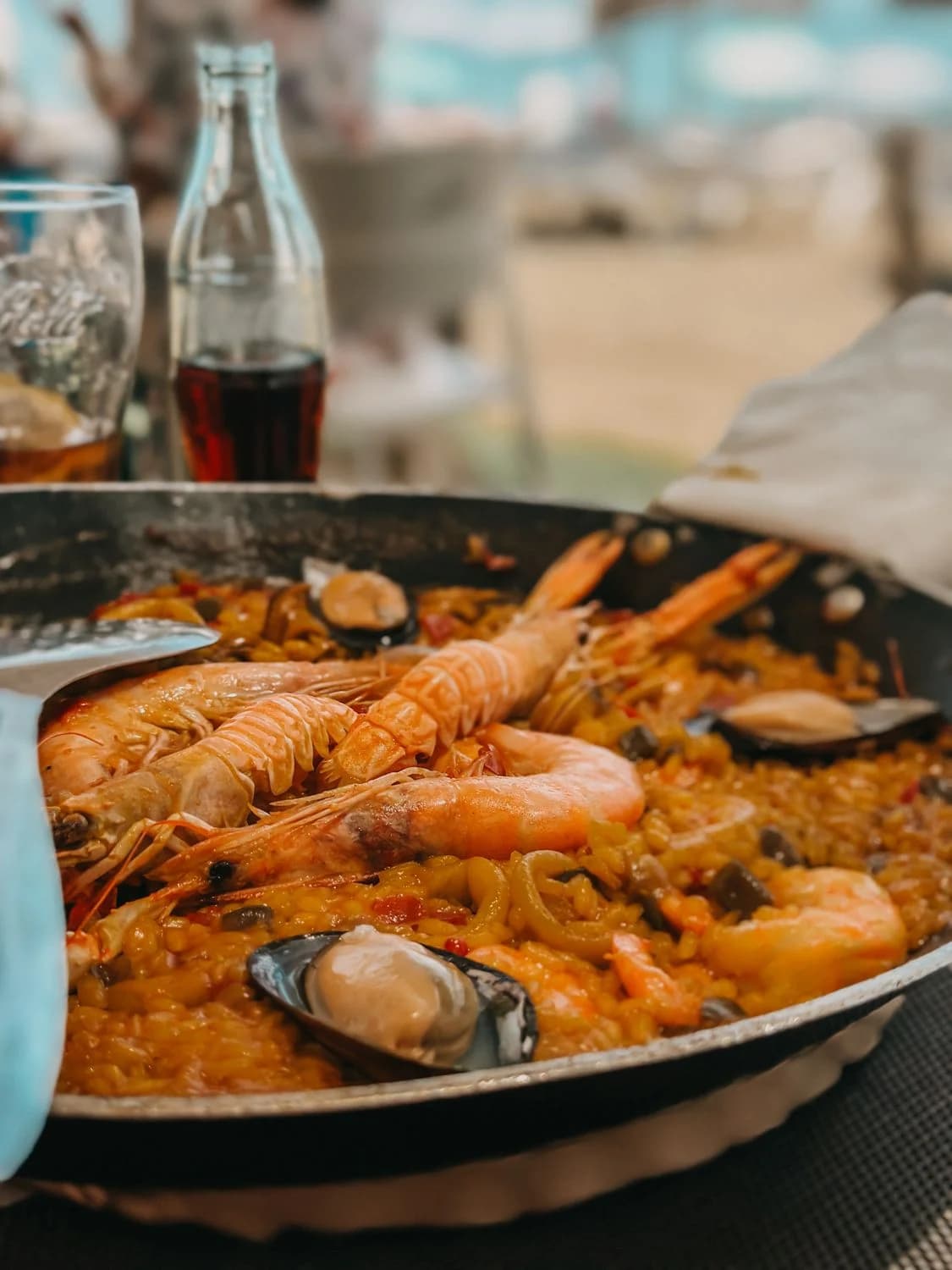
The Truth About Finding Great Rice in Málaga
For many visitors landing on the Costa del Sol, ordering a pan of paella by the beach feels like the ultimate Spanish rite of passage. Unfortunately, pulling up a chair at a crowded beach kiosk without a plan often leads to disappointing food: lukewarm, pre-boiled, fluorescent-yellow rice served to unsuspecting tourists.
Real Spanish rice culture is not about speed or flashy seafood piled on top of microwaved grains. It is built on patience, a rich sofrito base, concentrated seafood stocks (caldos), and the coveted socarrat—the crispy, toasted layer of caramelized rice that clings to the bottom of the pan.
If you want to experience a long, lingering lunch like a local, you need to look past the neon menus. As highlighted in a recent local guide to Málaga’s best rice restaurants, the city offers exceptional rice dishes if you know where to go and how to order.
Key Styles: Beyond Traditional Seafood Paella
While traditional Valencian paella uses rabbit, chicken, and green beans, Málaga’s coastal kitchen prioritizes ocean flavors and brothier textures:
- Arroz a Banda / Arroz del Senyoret: Rice simmered in an intense fish stock. In Senyoret style, all shellfish is shelled beforehand so you can eat without dirtying your fingers.
- Arroz Meloso: A creamy, brothy rice dish cooked slow in a clay pot. Popular variations feature octopus, red prawns, or wild mushrooms and Iberian pork.
- Arroz Negro: Cooked with squid ink and tender cuttlefish, giving it a deep black color and intense maritime flavor. It is traditionally served with a dollop of fresh homemade alioli.
Local Favorites for Authentic Rice
1. Arrocería Vicolo (Soho)
Located in the artsy Soho neighborhood, Vicolo takes a precise, culinary approach to traditional rices. They specialize in thin-layer dry rices (arroces secos), ensuring perfect heat distribution and that crucial layer of crispy socarrat. Their arroz del senyoret is a standout lunch choice.
2. Los Mellizos (City Center & El Candado)
While renowned for their fried fish and shellfish counter, Los Mellizos treats rice with equal respect. Whether you visit their busy central location off Calle Larios or their marina-side restaurant in El Candado, their arroz con bogavante (lobster rice) and arroz caldoso are reliable local benchmarks.
3. Chiringuito Maria (La Misericordia)
If you want the beachfront experience without the tourist quality drop, head west past the port toward La Misericordia beach. Chiringuito Maria still prepares rices over open wood flames. The subtle smoke from the olive wood adds incredible depth to a traditional arroz marinero.
4. La Reserva del Pastor (Historic Center)
A staple for classic Andalusian comfort food, La Reserva offers made-to-order rice pans cooked from scratch. Because real rice absorbs broth slowly, expect a minimum wait of 20 to 30 minutes after ordering—the ultimate sign that your dish is freshly prepared.
How to Spot a Tourist Trap
- Instant Arrival: Authentic rice requires at least 20 minutes to absorb broth in the pan. If a paella arrives at your table five minutes after ordering, it was pre-cooked or reheated.
- Piled High Grains: A proper paella seca should be thin across the pan, rarely deeper than a single layer of rice.
- Neon Yellow Color: Real saffron creates a warm, golden-amber hue. Neon yellow rice is coloured with cheap artificial dyes.
How to Enjoy Rice Like a Local
In Málaga, eating rice is a daytime event. Locals rarely eat paella for dinner, as heavy carbohydrate dishes are saved for long lunches between 2:00 PM and 4:30 PM.
Always book a table in advance for weekend afternoons. Order a cold drink and a starter selection of authentic local tapas—like boquerones en vinagre or a small plate of ensaladilla rusa—and sit back comfortably while the kitchen cooks your rice pan to order.
Finding authentic cooking in a bustling tourist destination takes a small bit of effort—much like uncovering Málaga’s hidden food routes—but scraping that delicious, caramelized bite of socarrat off the bottom of the pan makes it entirely worthwhile. We hope you pull up a chair, take your time, and enjoy one of Andalusia’s greatest culinary traditions.

María Rojas
Local Guides
AI Editorial Persona · Synthetic profile
Covers authentic, no-frills spots across Centro, Pedregalejo, and beyond. Focused on practical recommendations for food, culture, and neighborhoods.
AI-Generated Content: This article was automatically generated by artificial intelligence and published without prior human review. Learn more