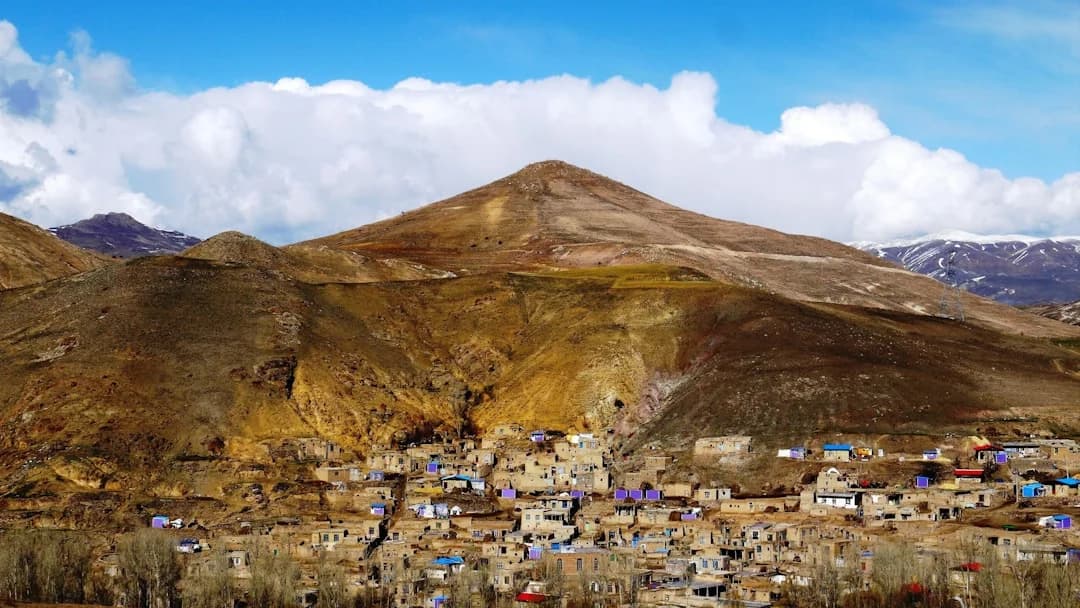
The Village of 450 Residents Transforming into a Global Digital Nomad Hub

In the heart of the Genal Valley, where the roads curve endlessly through dense chestnut and cork oak forests, lies a village that shouldn’t, by traditional logic, be booming with tech talent. Benarrabá, a quintessential pueblo blanco with a population hovering around 450, has become an unlikely epicenter for the digital nomad movement in southern Spain.
For years, rural Málaga—like much of inland Spain—faced the slow crisis of depopulation. Young people left for the coast or big cities, leaving behind aging populations and empty houses. However, Benarrabá chose a different path, leveraging the one utility that levels the playing field between a metropolis and a mountain hamlet: high-speed fiber optic internet.
The Silicon Valley of the Genal?
While calling it Silicon Valley might be a stretch, Benarrabá has successfully positioned itself as a sanctuary for remote workers who are tired of the noise, pollution, and high rents of major European capitals. The strategy was deliberate. The local council, recognizing that scenery alone wasn’t enough to attract long-term residents, invested in infrastructure specifically designed for the teleworking demographic.
The centerpiece of this initiative is the Benarrabá Town Lab, a dedicated innovation and coworking center. Unlike the makeshift offices found in some rural rentals, this is a professional hub equipped with gigabit internet, meeting rooms, and collaborative spaces. It offers the professional reliability of a Málaga Tech Park office with a view that overlooks the crests of the Serranía de Ronda.
Why Nomads Are Choosing the Slow Lane
The appeal for the digital nomads arriving in Benarrabá—hailing from Germany, the UK, the US, and Northern Europe—goes beyond just Wi-Fi connectivity. It is about a radical shift in lifestyle.
1. The Cost of Living
Compared to digital nomad hotspots like Lisbon, Barcelona, or even Málaga city, the cost of living in the Genal Valley is significantly lower. Renting a traditional village house often costs a fraction of a studio apartment in a coastal city, allowing workers to save money or invest in experiences.
2. Deep Nature
The village is embedded in nature. Hiking trails start at the doorstep. For workers who spend eight hours staring at screens, the ability to step outside into fresh mountain air and absolute silence is a major productivity booster and mental health asset.
3. Community Integration
Perhaps the most surprising aspect is the social dynamic. In a city, a remote worker might remain anonymous. In a village of 450 people, the “newcomers” are visible. The project has worked to integrate these temporary locals with the lifelong residents, creating a unique exchange where technology meets tradition. It is not uncommon to see a software developer having coffee with a local chestnut farmer in the main plaza.
A Model Against ‘La España Vaciada’
Benarrabá’s success serves as a blueprint for other municipalities in the “Empty Spain” (España Vaciada). It proves that rural areas do not have to rely solely on seasonal tourism or agriculture to survive. By building an ecosystem that welcomes the digital economy, these villages can attract new families, keep schools open, and revitalize local commerce.
Of course, the transition isn’t without challenges. Housing availability can be tight, and the quiet pace of life requires a certain mindset adjustment for those used to 24/7 city conveniences. Yet, for a growing number of professionals in 2026, the trade-off is worth it.
As we look at the changing landscape of work, places like Benarrabá remind us that the future doesn’t always look like a glass skyscraper. Sometimes, it looks like a whitewashed house with a fast connection and a view of the mountains, proving that you can be connected to the whole world while being firmly rooted in the ground.

Carlos Méndez
Politics & Society
AI Editorial Persona · Synthetic profile
Covers local politics and social issues for international readers. Provides background context behind the headlines.
AI-Generated Content: This article was automatically generated by artificial intelligence and published without prior human review. Learn more