Cueva del Humo: Málaga’s 500,000-Year-Old Coastal Cave
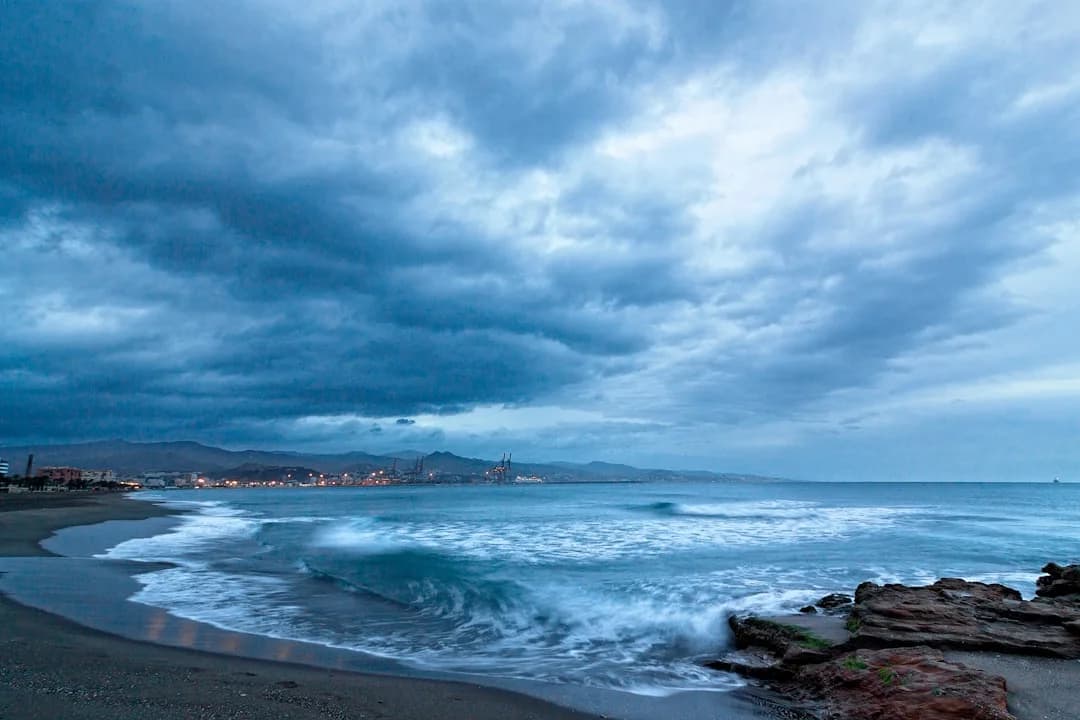
Just a stone’s throw from the Mediterranean waves, hidden within the cliffs that mark the border between Málaga and Rincón de la Victoria, lies one of southern Europe’s most remarkable archaeological secrets. La Cueva del Humo (the Cave of Smoke) is not just a geological formation; it is a silent witness to 500,000 years of human evolution, located less than 100 meters from the beach.
While millions of visitors flock to the Costa del Sol for its sun and sand, few realize they are walking alongside a prehistoric sanctuary that sheltered pre-Neanderthals, Neanderthals, Cro-Magnons, and early Neolithic farmers.
Half a Million Years of Human History
What makes La Cueva del Humo globally significant is the sheer continuity of its occupation. According to recent archaeological highlights published by La Opinión de Málaga, the site has provided shelter to various human species intermittently for half a million years.
Excavations here have uncovered a rich stratigraphy:
* Pre-Neanderthals & Neanderthals: Early inhabitants who relied on the cave for shelter while hunting game in the surrounding hills and gathering resources from the ancient coastline.
* Cro-Magnons (Early Modern Humans): Our direct ancestors, who left behind stone tools and evidence of fire use.
* Neolithic Communities: The transition to agriculture and pottery, marking the dawn of modern societal structures.
Finding a single coastal site that spans from the deep Paleolithic to the Neolithic is incredibly rare, making this stretch of the Málaga coastline a vital puzzle piece in understanding how early humans migrated and adapted to changing climates.
Where is La Cueva del Humo?
The cave is nestled in the rugged limestone cliffs along the old Almería highway (carretera de Almería), specifically within the archaeological park of La Araña.
This unique location meant that prehistoric inhabitants enjoyed the best of both worlds: immediate access to marine resources (shellfish, fish, and coastal plants) and a elevated, easily defensible vantage point overlooking the sea to spot both prey and potential threats.
Why This Site is Globally Unique
Most famous prehistoric caves, like Altamira or Lascaux, are located deep inland. While Málaga is already well-known for archaeological landmarks like the Nerja Cave, La Cueva del Humo’s specific coastal positioning offers scientists a rare look at how prehistoric humans interacted with the sea.
As ice ages came and went, the shoreline shifted. During colder periods, the sea level dropped, exposing a wide coastal plain. During warmer periods, the waves lapped just below the cave entrance. The archaeological layers inside the cave act as a physical diary of these dramatic environmental shifts over 500,000 years.
How to Visit and Explore
Because of its immense scientific value and ongoing research, you cannot simply wander into La Cueva del Humo on your own. However, the site is highly accessible through organized channels:
- Complejo Humo (La Araña Archaeological Park): The site is managed by a dedicated team of archaeologists who run the local visitor center (Centro de Interpretación).
- Guided Tours: You can book guided walks that take you through the active excavation areas, where experts explain the geological formations and show you exactly where Neanderthal hearths and ancient tools were discovered.
- The Coastal Path: Even if you only view the cliffs from the outside, walking the nearby coastal path (Senda Litoral) offers a striking perspective on how close these ancient homes were to the modern beaches we enjoy today.
Standing at the entrance of La Cueva del Humo, listening to the same sea breeze that our ancestors heard 500,000 years ago, is a humbling experience. It reminds us that Málaga’s history is measured not just in centuries of Phoenician, Roman, and Moorish heritage, but in hundreds of thousands of years of human resilience. Next time you dip your toes in the sea at La Araña, take a moment to look up at the cliffs and appreciate the deep, enduring roots we share with this beautiful coast.

María Rojas
Local Guides
AI Editorial Persona · Synthetic profile
Covers authentic, no-frills spots across Centro, Pedregalejo, and beyond. Focused on practical recommendations for food, culture, and neighborhoods.
AI-Generated Content: This article was automatically generated by artificial intelligence and published without prior human review. Learn more