Malaga Tapas: Finding Authentic Eats Over Tourist Traps
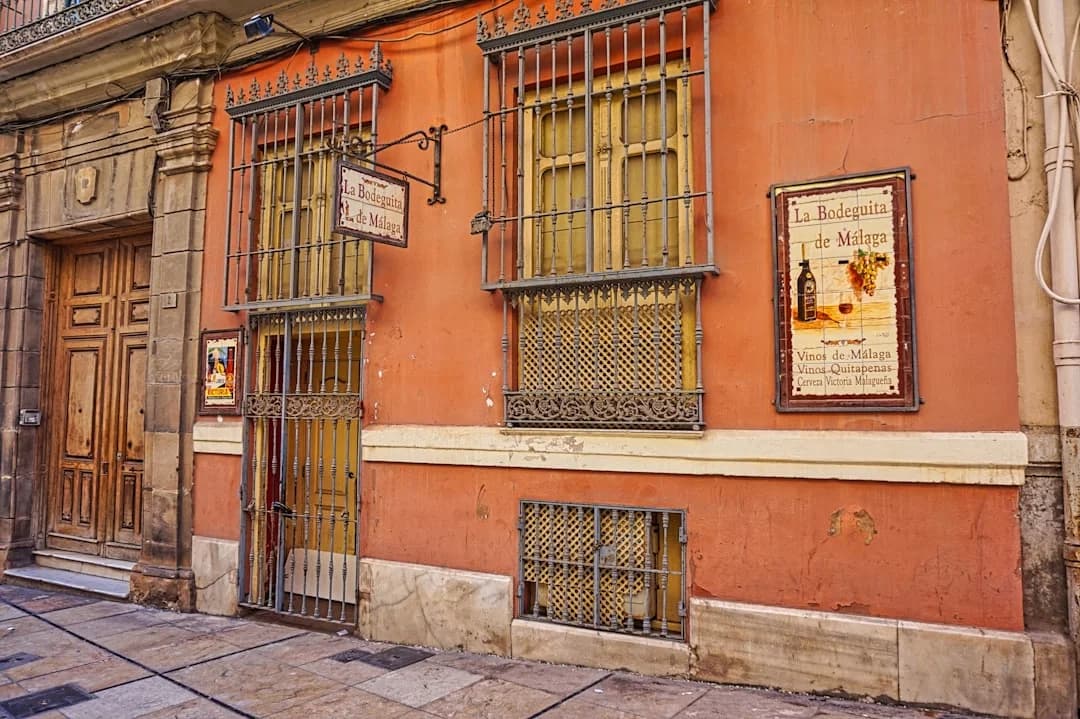
Malaga is booming. With a steady influx of remote workers, expats, and new residents calling the Costa del Sol home, the city’s streets are more vibrant than ever. But this popularity brings a common challenge: navigating a crowded restaurant scene to find truly authentic food. When you are hungry in the historic center, it is easy to fall into the trap of overpriced, underwhelming meals designed for a quick tourist turnover.
If you want to eat like a true Malagueño, you need to look past the flashy signs and learn how to spot the real culinary gems.
The Anatomy of a Tourist Trap
Before you can find the authentic spots, you need to know what to avoid. In Malaga, tourist traps usually share a few unmistakable characteristics:
- The Menu Outside: If the menu is translated into eight different languages and features large, glossy photos of the food, keep walking.
- The Promoter: Authentic tapas bars do not need a staff member standing on the street corner trying to hustle you inside. The food speaks for itself.
- Paella for Dinner: In Andalusia, rice dishes are strictly for lunch. If a restaurant is heavily advertising paella at 9:00 PM, it is catering exclusively to out-of-towners.
- All-Day Kitchens: Traditional Spanish restaurants close their kitchens between lunch and dinner. If a place is serving full hot meals at 5:30 PM, it is likely a tourist trap.
Relying on the Right Resources
When trying to find a good place to eat, most newcomers default to global review platforms like Google or TripAdvisor. The problem? These platforms are heavily skewed by the sheer volume of tourists passing through the city. A mediocre restaurant right next to the Cathedral might have 5,000 five-star reviews simply because of its location and friendly, English-speaking staff.
To find where the locals actually eat, you need to tap into local knowledge. There is a growing demand for reliable, vetted opinions to help filter out the noise. Local gastronomy portals are invaluable for this. For example, Gurmé Málaga curates highly reliable reviews for the best tapas and bars across the province. By following local food critics and regional portals, you get access to the hidden gems that rarely make it to the top of international travel apps.
Rules of Thumb for Authentic Tapas
So, what does an authentic tapas bar look like? Here are a few practical tips to guide your search:
1. Follow the Noise (and the Trash)
It sounds counterintuitive, but a loud bar is usually a good sign. Locals are animated, and a bustling, noisy atmosphere means the place is popular with residents. Furthermore, in old-school traditional tapas bars, it is still customary to drop your used paper napkins on the floor beneath the bar. A floor littered with crumpled napkins is a historical badge of honor indicating high turnover and fresh food.
2. Look at the Clock
Timing is everything in Spain. If you want to eat where the locals eat, you have to eat when the locals eat. Lunch happens between 2:00 PM and 4:00 PM. Dinner rarely starts before 8:30 PM, and most authentic spots will not fill up until 9:30 PM or later.
3. Check the Blackboard
The best tapas bars often rely on seasonal ingredients and daily market catches. Instead of a massive, permanent menu, look for places that feature handwritten chalkboards (pizarras) with the daily specials (sugerencias del día).
Neighborhoods to Explore
While there are excellent traditional spots hidden in the historic center (Centro Histórico), you will often find better value and more authentic atmospheres by venturing just a few streets away.
- El Perchel & Huelin: Located near the port and the main train station, these traditionally working-class neighborhoods are seafood havens. This is where you go for impeccably fresh pescaíto frito (fried fish) at local prices.
- La Victoria: Just north of the center, the Barrio de la Victoria is packed with old-school bodegas and unpretentious tapas bars serving hearty, traditional stews and local sweet wines.
- Capuchinos & Trinidad: These areas remain largely untouched by mass tourism. Here, you will find tiny, family-run establishments where the owner is also the chef, and the recipes have not changed in decades.
Learning to navigate a new city’s food scene can feel daunting at first, especially when every street corner promises the ‘best tapas in town.’ But developing an eye for the authentic spots is a rewarding process. There is a certain quiet joy in walking past the crowded tourist terraces and slipping into a noisy, brightly lit local bar where the waiter knows the regulars by name. Take your time, trust the local resources, and don’t be afraid to order something you can’t perfectly translate. That is usually where the best flavors hide.

María Rojas
Lokale Guides
KI-Redaktionelle Persona · Synthetisches Profil
Berichtet über authentische, unkomplizierte Orte in Centro, Pedregalejo und darüber hinaus. Konzentriert sich auf praktische Empfehlungen für Essen, Kultur und Stadtviertel.
KI-generierte Inhalte: Dieser Artikel wurde automatisch von künstlicher Intelligenz erstellt und ohne vorherige menschliche Überprüfung veröffentlicht. Mehr erfahren