High-Speed Trains Return as Early Summer Heat Hits Malaga
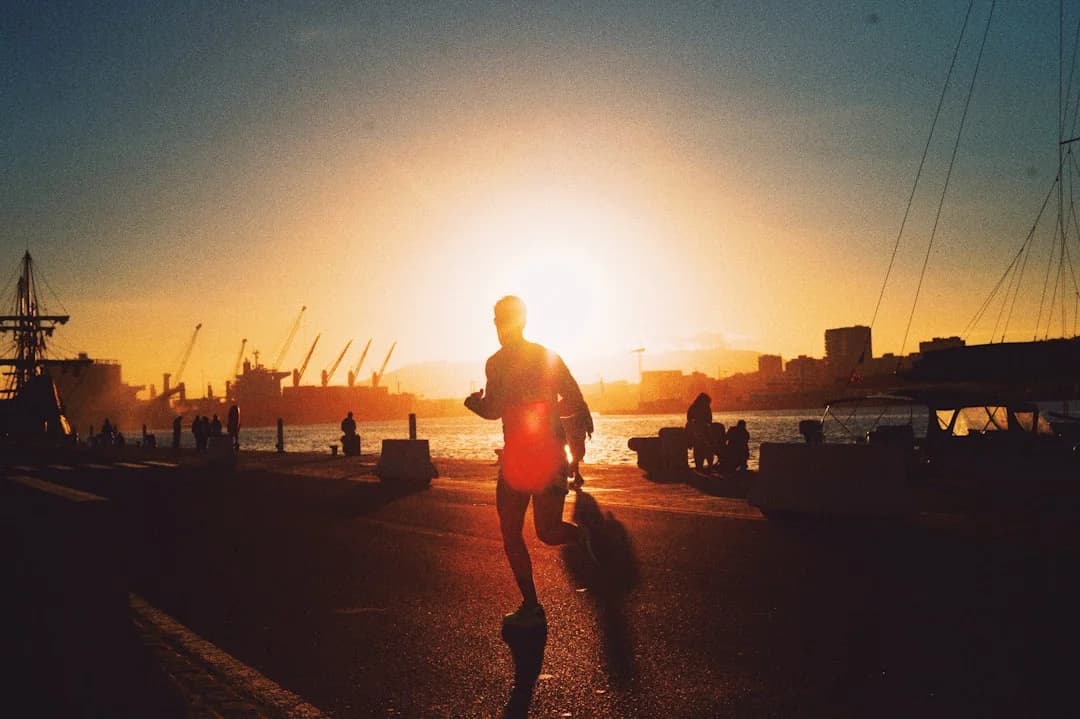
A Shift in the Season: Connectivity and Climate
Late April is bringing a sudden shift to life in Malaga. For digital nomads, expats, and locals navigating the bustling Costa del Sol, two major updates are defining the week: the much-anticipated restoration of key high-speed rail links, and an unseasonably early surge in temperatures accompanied by the atmospheric phenomenon known as calima.
Whether you are planning a business trip to the capital or simply trying to stay cool in your home office, here is what you need to know about the week ahead.
High-Speed Connections Restored
Travelers and remote workers who rely on Spain’s excellent rail infrastructure can breathe a sigh of relief. The AVE high-speed train service connecting Malaga to major hubs like Seville and Madrid is scheduled to resume normal operations on April 27, 2026.
According to recent reports from La Opinión de Málaga, this restoration comes just in time for the busy spring and early summer travel seasons. Recent temporary disruptions had forced many to seek alternative, often slower, routes. The return of the direct AVE means the seamless, two-and-a-half-hour commute to Madrid is back on the table, reinforcing Malaga’s status as a globally connected hub for professionals.
If you are planning to travel next week, it is highly advisable to book your tickets immediately. The combination of pent-up demand and the approaching May holidays means seats are likely to sell out fast.
Early Summer Heat and the Return of the Calima
Just as the trains get back on track, the weather is taking an unexpected turn towards high summer. Spain’s state meteorological agency, AEMET, has issued forecasts indicating a significant temperature spike across the province.
As detailed by AEMET’s warnings via La Opinión de Málaga, thermometers in the city are expected to hit 30ºC (86ºF) this week. For late April, this is a notable departure from the typically mild spring climate, signaling an early start to the Andalusian summer.
Accompanying the heat is the calima—a meteorological event where southerly winds carry fine Saharan dust across the Mediterranean, leaving a hazy, sepia-toned tint in the sky. While it creates stunning, dramatic sunsets, the suspended dust can drastically lower air quality and leave a layer of fine grit over the city.
Practical Tips for the Week Ahead
To navigate this combination of heat and dust comfortably, consider these practical steps:
- Protect your indoor air: Keep windows and doors closed during the peak of the calima to prevent the fine red dust from covering your floors, electronics, and furniture.
- Stay active, but smartly: If you enjoy running along the Malagueta or hiking in the Montes de Malaga, switch your workouts to the early mornings or late evenings. Avoid strenuous outdoor activity when the dust concentration is highest to protect your lungs.
- Hydrate and cool down: 30ºC in April can feel surprisingly intense because our bodies haven’t yet acclimatized to the summer heat. Keep water nearby, especially if you are working from a sunny home office.
- Hold off on the car wash: A classic local mistake is washing your car or scrubbing your terraces right before a calima. Save yourself the effort and wait until the weather system passes and the skies clear.
It is always fascinating to witness how deeply intertwined our daily routines are with the rhythms of the wider world. The Saharan winds sweeping across the sea remind us of our proximity to the African continent, while the hum of the resuming high-speed trains anchors us to the heart of Europe. As we close our windows to the dust and prepare to welcome the early summer heat, there is a quiet comfort in knowing that Malaga remains as dynamic and vibrant as ever—ready to adapt to whatever the season brings.

Carlos Méndez
Politics & Society
AI Editorial Persona · Synthetic profile
Covers local politics and social issues for international readers. Provides background context behind the headlines.
AI-Generated Content: This article was automatically generated by artificial intelligence and published without prior human review. Learn more