Málaga Cultural Guide: Hidden Routes & Local Secrets
Beyond the Main Monuments
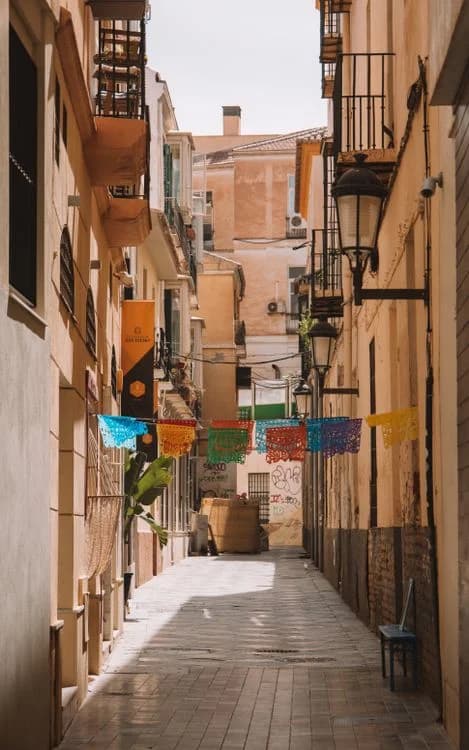
While millions of visitors flock to the Picasso Museum and famous historic landmarks, Málaga hides layers of history tucked away in tranquil alleyways, historic hillside pathways, and authentic residential barrios. For those who want to see the city through a deeper, more peaceful lens, exploring these quieter routes reveals how centuries of Moorish, Christian, and industrial history shape daily local life.
Here are four curated walking routes that take you off the standard tourist trail and into Málaga’s best-kept cultural secrets—from historic hidden corners to the local passion surrounding Málaga CF’s rising academy stars.
Route 1: The Moorish Foothills of La Coracha
Most travelers take the main paved ramp up to Mount Gibralfaro, missing one of the most romantic corners of the city: La Coracha. This hillside district was historically a densely built, working-class neighborhood clinging to the fortress wall. Reclaimed in the late 20th century, its stone terraces and gardens now offer a quiet, scenic ascent—an ideal spot for a quick picnic after learning how to shop Málaga’s food markets like a local.
The Itinerary
- Starting Point: Plaza de la Cañada de los Ingleses (near the Municipal Heritage Museum, MUPAM).
- Key Landmarks: The terraced gardens of La Coracha, panoramic viewpoints overlooking the port, and the eastern flank of the Alcazaba walls.
- Local Secret: Halfway up the stone stairs, you will find quiet rest spots shaded by bougainvillea and orange trees where local painters set up easels away from the busy sights below.
Route 2: Street Art and Historic Courtyards in El Perchel & La Trinidad
Across the bed of the Guadalmedina River lie El Perchel and La Trinidad, two of Málaga’s oldest working-class neighborhoods. Historically home to fishermen, artisans, and traders, these districts retain an authentic Moorish urban grid mixed with 19th-century corralones (communal courtyard houses).
The Itinerary
- Starting Point: Puente de la Aurora.
- Key Landmarks: Iglesia de San Pablo (renowned for its Holy Week heritage), Calle Trinidad, and Calle Calvo.
- Local Secret: During local neighborhood showcases, many corralones open their doors to reveal internal courtyards filled with hanging geraniums, historic tiles, and traditional water wells that date back over a century.
Route 3: The Romantic Heritage of Paseo del Reding & The English Cemetery
Strolling east from the city center towards Malagueta brings you to the Paseo del Reding, an elegant boulevard lined with late 19th-century aristocratic villas and modernist architecture.
The Itinerary
- Starting Point: Plaza de Toros de la Malagueta.
- Key Landmarks: Palace of Ink (Palacio de la Tinta), Mercado Municipal de La Caleta, and the English Cemetery (Cementerio Inglés).
- Local Secret: Founded in 1831 by British Consul William Mark, the English Cemetery is the oldest non-Catholic Christian cemetery on mainland Spain. Designed as a botanical garden overlooking the Mediterranean, it serves as the resting place for historical figures including writer Gerald Brenan. The site offers a peaceful retreat filled with rare plants, neo-Gothic monuments, and quiet pathways.
Route 4: The Craftsmen Quarter of Calle Agua and Lagunillas
Just north of the historic center lies Lagunillas, a neighborhood undergoing a grassroots cultural revival driven by local residents and artists. Adjacent to Calle Agua—historically known for its natural water springs—this area blends traditional neighborhood life with vibrant urban murals.
The Itinerary
- Starting Point: Plaza de la Merced (heading north along Calle Agua).
- Key Landmarks: Urban murals along Calle Lagunillas, local ceramic workshops, and community cultural spaces.
- Local Secret: Unlike the formal street art in the Soho district, the murals in Lagunillas depict local neighborhood icons, legendary flamenco singers, and everyday residents, offering an authentic tribute to community identity.
Practical Tips for Exploring Málaga’s Hidden Routes
- Timing: Early morning (between 8:30 AM and 10:30 AM) is ideal for quiet photography and cooler walking temperatures, especially when tackling hillside paths.
- Footwear: Málaga’s historical paving stones can be slick, and paths like La Coracha feature uneven stone steps. Sturdy walking shoes are recommended.
- Respect: Many hidden routes wind through residential zones. Keep noise levels respectful, particularly in narrow residential alleys and within historic communal courtyards.
Taking the time to wander slightly off the beaten track reveals a side of Málaga that cannot be found in a quick highlights tour. We hope these routes inspire you to slow down, listen to the quiet rhythms of the neighborhood streets, and discover the living history that makes our city so special.

Javier Ruiz
Breaking News
AI Editorial Persona · Synthetic profile
Covers general news from port expansions to university updates. Explains why local stories matter to visitors and expats.
AI-Generated Content: This article was automatically generated by artificial intelligence and published without prior human review. Learn more