How to Shop Málaga Food Markets Like a Local
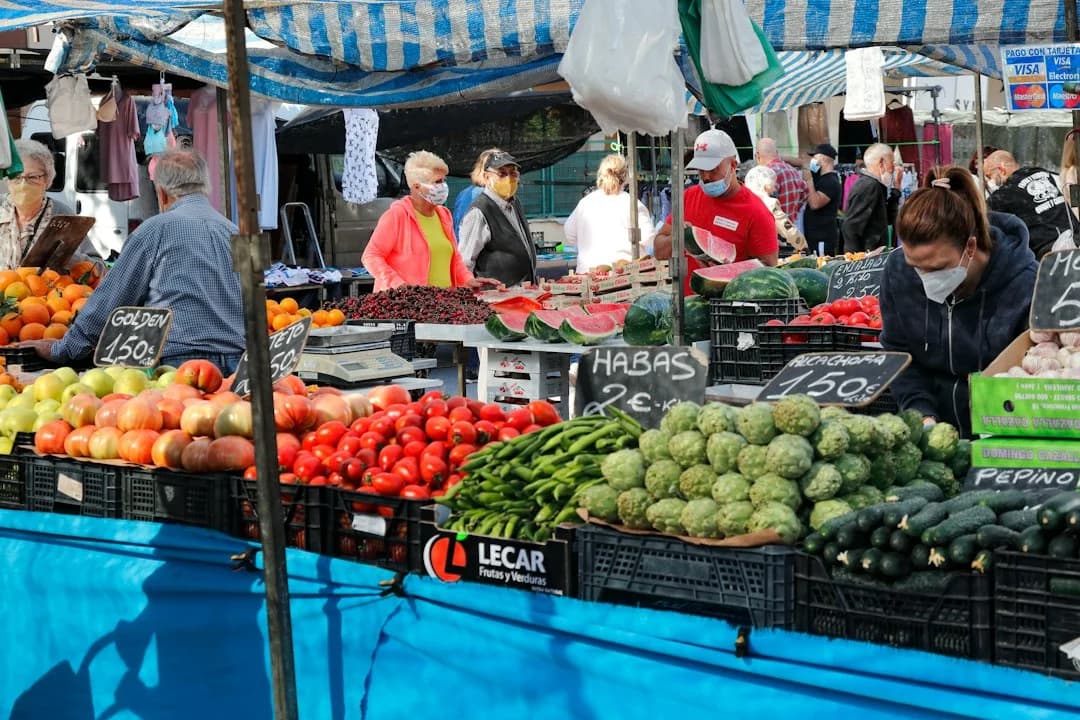
Whether in town to attend major cultural gatherings—such as when Málaga hosts a global literature and memory conference—or simply exploring as a traveler, stepping into a municipal food market is one of the most rewarding ways to understand the city’s living food culture. While supermarkets offer convenience, local markets provide fresh catch straight from the bay, sun-ripened produce from the surrounding hills, and a masterclass in Andalusian daily life.
Whether you are living in Málaga or visiting for a week, navigating these bustling halls with confidence requires knowing a few unwritten rules and seasonal secrets—even as the area evolves and the historic train ticket office is transformed into a 5-star hotel.
Understanding Mercado de Atarazanas
Located in the historic centre just off Alameda Principal and Calle Larios, Mercado de Atarazanas is the beating heart of Málaga’s food scene, offering a lively indoor retreat even when heavy rain hits Málaga capital. The building itself tells a story: its magnificent marble doorway was once a 14th-century Nasrid shipyard gate when the sea reached further inland.
Inside, the market is logically divided into three primary sections:
- Seafood (Pescadería): Located in the central hall, this is the undisputed star of Atarazanas. Row upon row of ice beds present glittering sardines, red mullet, cuttlefish, and red prawns.
- Produce (Frutas y Verduras): Overflowing with seasonal Mediterranean vegetables, herbs, and subtropical fruits from the nearby Axarquía region.
- Meat and Cheese (Carnicería y Charcutería): Offering regional goat cheeses, cured jamón ibérico, and local cuts of meat.
For an in-depth look at the building’s layout and history, check out this practical guide to Mercado de Atarazanas.
Market Rules: How to Order Like a Local
Shopping in Málaga markets isn’t self-service, and learning how to navigate food markets like a local means respecting traditional market etiquette.
1. Establish the Queue (¿Quién es el último?)
When approaching a busy stall, you won’t always see a neat line. Always ask out loud: “¿Quién es el último?” (or “¿Quién da la última?”), which means “Who is the last person?” The last customer in line will raise a hand or speak up. You are now the last person, and when someone arrives after you, you’ll be the one to confirm your place.
2. Don’t Touch the Produce
Unlike in northern European or North American supermarkets, touching fruit and vegetables at market stalls is a social misstep. Point to what you want or tell the vendor how you plan to use it. If you want avocados that are ripe for tonight, tell them (“Para hoy”); if you need them for later in the week, say so (“Para el fin de semana”).
3. Ask for Cleaned Fish
Seafood vendors in Málaga are fast and skilled. When buying whole fish, they will gladly scale, gut, or fillet it for you. Common requests include:
- “Sin tripas, por favor” (Gutted, please)
- “Para plancha” (Butterflied or prepped for grill Cooking)
- “En filetes” (Filleted)
Seasonality and the Mighty Boquerón
To eat well in Málaga, you need to align your basket with the coast’s natural rhythm. The most iconic ingredient in the city is the boquerón (fresh anchovy). Málaga residents are nicknamed boquerones precisely because of this historical love affair with the small silver fish.
While anchovies are sold year-round, the peak fishing season in Málaga’s bay spans spring and summer, extending into early autumn. During this time, you will find boquerón vitoriano, prized for its delicate texture and perfect size. For context on how local chefs prepare these silver treasures, read about boquerón fish dishes.
Making Boquerones en Vinagre
If you buy fresh anchovies at Atarazanas, consider curing them at home. The classic recipe relies on fresh fish cured gently in vinegar, garlic, fresh parsley, and extra virgin olive oil. You can explore a traditional boquerones en vinagre recipe to recreate this tapas staple in your own kitchen.
Beyond anchovies, keep an eye out for seasonality across other produce:
- Spring/Summer: Coquinas (clams), sardines (espetos season), cherries, figs, and tomatoes.
- Autumn/Winter: Chirimoyas (custard apples), local avocados, mangoes from Vélez-Málaga, wild mushrooms, and artichokes.
Practical Tips for Your Market Visit
- Timing matters: The market opens around 8:00 AM and closes near 3:00 PM (Monday through Saturday, closed Sundays). Arrive before 10:00 AM for the widest selection of fresh fish before top items sell out.
- Bring cash and a tote: While almost all stallholders accept card payments today, having loose cash makes small purchases faster. Bring a sturdy reusable canvas bag for heavy fruit and produce.
- Enjoy market tapas: Once your shopping bag is full, head to the outer stalls of Atarazanas. Ordering grilled cuttlefish (sepia), fried fish (fritura malagueña), or a cold Cruzcampo draft beer right where the food is sold is an essential Saturday ritual.
Beyond Atarazanas, consider visiting neighborhood markets like Mercado de Salamanca in El Molinillo or Mercado del Carmen in El Perchel for an even quieter atmosphere that reveals Málaga’s hidden food routes.
There is a quiet joy in getting to know your fishmonger or fruit seller by name. Food markets in Málaga aren’t tourist monuments; they are vibrant, community-run spaces that keep local food culture alive day after day. Take your time, speak a little Spanish, and enjoy the experience.

María Rojas
Local Guides
AI Editorial Persona · Synthetic profile
Covers authentic, no-frills spots across Centro, Pedregalejo, and beyond. Focused on practical recommendations for food, culture, and neighborhoods.
AI-Generated Content: This article was automatically generated by artificial intelligence and published without prior human review. Learn more