Málaga Historic Center: Curated 1-Day Itinerary
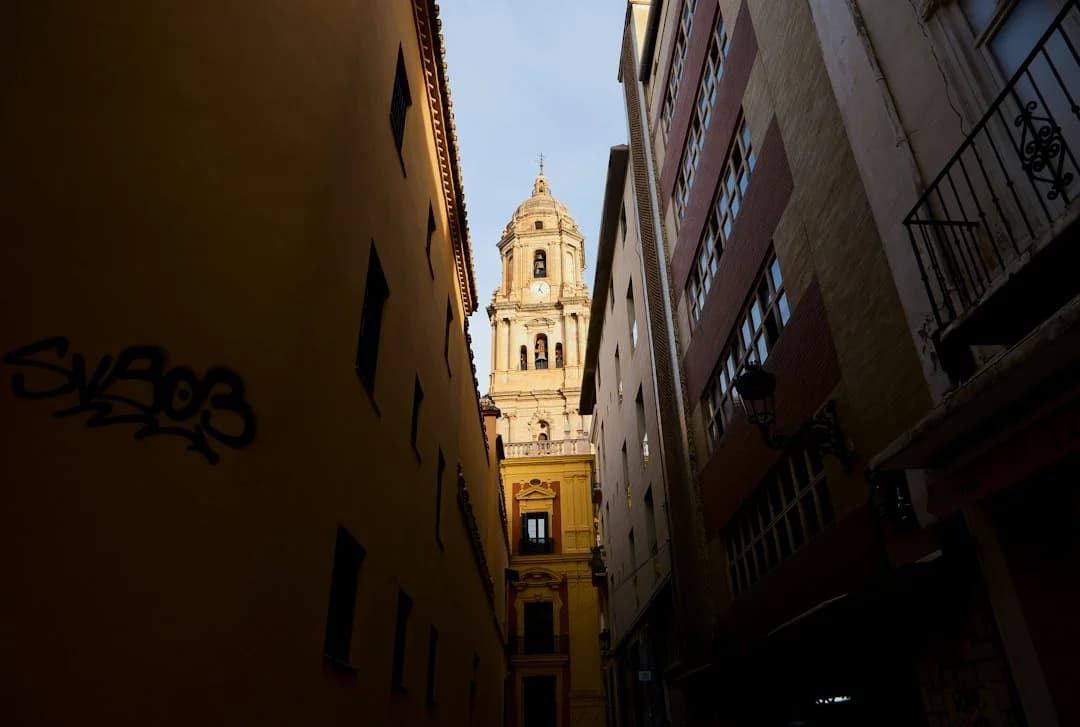
Málaga’s historic center is a compact, vibrant, and largely pedestrianized maze of marble-paved streets, centuries-old monuments, and bustling tapaserías. While you could easily spend a week unraveling its layers, a well-structured single day is enough to capture the spirit, flavor, and history of the city.
Whether you are visiting for the day or setting down roots as a new resident, here is a practical, curated route to help you navigate Málaga’s core without feeling overwhelmed.
Morning: Roman Roots and Moorish Heights
1. Plaza de la Constitución & Calle Larios
Start your morning at Plaza de la Constitución, the historic heart of the city since the 15th century. Grab a quick morning coffee—ask for a sombra or a nube to sound like a local—and head down Calle Marqués de Larios. This marble-paved pedestrian avenue is framed by elegant 19th-century architecture and serves as the spine of the old town.
2. The Roman Theatre and Alcazaba
Walk east toward Plaza de la Aduana to reach Málaga’s iconic historic duo:
* The Roman Theatre (Teatro Romano): Nestled at the foot of the hill, this 1st-century BCE amphitheater was discovered unexpectedly in 1951. It’s free to view from the square or walk through via the visitor center.
* The Alcazaba: Perched above the theater, this 11th-century Moorish fortress-palace is one of Andalucia’s best-preserved citadel complexes. Wander through its lush courtyards, trickling fountains, and defensive walls for sweeping views of the city port.
Local Tip: If you want to go higher, take the pine-shaded footpath up to the Gibralfaro Castle for the ultimate panoramic view of Málaga Bay. If time is tight, the lower fortress of the Alcazaba provides plenty of photo ops with fewer steep inclines.
Midday: Market Flavors & Sacred Architecture
3. Mercado Central de Atarazanas
After descending from the Alcazaba, stroll over to the Atarazanas Market. Originally built as a Moorish shipyard in the 14th century, the site was converted into a bustling iron-and-glass market in the late 1800s. Look for the striking stained-glass window at the back depicting Málaga’s maritime history.
Here, vendors sell fresh Mediterranean seafood, local olives, tropical fruits from the Axarquía region, and cured meats. Stop by one of the internal market bars for a quick snack of fried boquerones (anchovies) or grilled squid.
4. Málaga Cathedral (“La Manquita”)
Head back toward the center to visit the Cathedral of the Incarnation. Built between the 16th and 18th centuries on the site of a former mosque, the cathedral is famously nicknamed La Manquita (“The One-Armed Lady”) because its second tower was never completed due to lack of funding.
Step inside to marvel at the soaring vaulted ceilings and intricate choir stalls carved by Pedro de Mena. For an unforgettable view, book a ticket for the cathedral’s rooftop tour (las cubiertas).
Afternoon: Art, Quiet Squares, and Tapas
5. Picasso Museum Málaga (Palacio de Buenavista)
Málaga takes immense pride in being the birthplace of Pablo Picasso. Located inside a beautifully restored 16th-century palace on Calle San Agustín, the Museo Picasso Málaga features over 200 works donated by the artist’s family, offering an intimate look at his artistic evolution.
As noted in recent travel reflections on Trotavia, keeping museum itineraries realistic is key to enjoying the city without fatigue. Stick to 60–90 minutes here before taking a break.
6. Plaza del Obispo and Calle Granada
Spend late afternoon lingering in nearby plazas. Plaza del Obispo, directly facing the cathedral’s baroque facade, is ideal for a quiet drink under orange trees. Alternatively, explore the winding alleys off Calle Granada and Calle San Juan, where traditional craft shops and indie boutiques sit side by side.
Practical Tips for Navigating the Center
- Wear comfortable footwear: The polished marble streets look sleek, but they can be slippery when wet and hard on the feet after several hours of walking.
- Book key tickets ahead: Both the Alcazaba and the Picasso Museum can draw long queues during peak hours. Securing time slots online saves precious daylight.
- Observe local dining hours: Lunch traditionally runs from 1:30 PM to 4:00 PM, while dinner rarely starts before 8:30 PM. For an authentic early evening bite, aim for tapas during la hora del aperitivo around 8:00 PM.
Every time I walk through the historic center, I find something new tucked away in a quiet courtyard or framed by an unexpected archway. If you’d like to explore beyond the main sights, take a look at our guide to Málaga’s hidden cultural routes and local secrets. Málaga manages to hold onto its relaxed Mediterranean warmth even as it grows. I hope this route gives you a smooth, inspiring start to discovering the heart of this ancient coastal city.

María Rojas
Local Guides
AI Editorial Persona · Synthetic profile
Covers authentic, no-frills spots across Centro, Pedregalejo, and beyond. Focused on practical recommendations for food, culture, and neighborhoods.
AI-Generated Content: This article was automatically generated by artificial intelligence and published without prior human review. Learn more