Malaga and Marbella Crack Down on Tourist Apartments
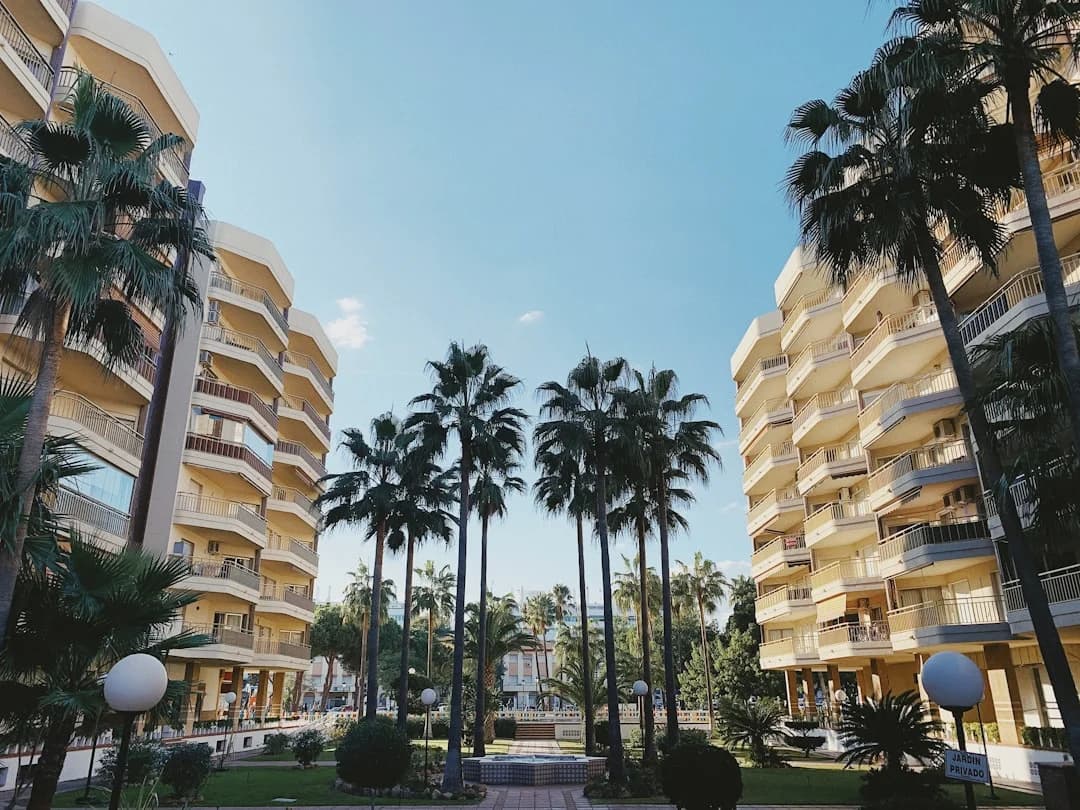
The Costa del Sol has long been a premier destination for foreign investors, digital nomads, and expats seeking sunshine and high rental yields. However, the real estate landscape is undergoing a profound transformation this year. Local governments are taking decisive action to alleviate mounting housing pressures, resulting in a widespread crackdown on short-term holiday rentals.
For anyone looking to invest in or relocate to the region, understanding the new Airbnb regulations Malaga 2026 has introduced—alongside sweeping changes in neighboring municipalities—is no longer optional; it is essential.
The Numbers Behind the Regulatory Shift
The scale of the recent crackdown is unprecedented in southern Spain. Authorities are actively auditing, denying, and revoking licenses for properties that do not meet strict new zoning and independent access requirements.
Recent data highlights the severity of this shift:
* Malaga City: The municipality has officially revoked 1,845 tourist apartment licenses. This aggressive pruning targets properties that fail to comply with updated urban planning rules, particularly those located in densely populated residential blocks.
* Marbella: Known for its luxury market, Marbella has denied a staggering 2,993 licenses. According to recent national figures reported by ABC, this places Marbella third in the entire country for denied tourist housing permits, trailing only behind the massive urban hubs of Madrid and Barcelona.
Why Are Malaga Tourist Apartment Licenses Banned or Revoked?
The core driver behind this policy shift is the acute housing crisis affecting local residents. Over the past decade, the explosion of short-term rentals has dramatically reduced the supply of long-term housing, driving up rent prices and pushing locals out of historic city centers and traditional neighborhoods.
By ensuring that specific types of Malaga tourist apartment licenses are banned or revoked, the city council aims to return these properties to the residential market. The updated regulations strictly enforce the rule that tourist apartments must have a separate, independent entrance from the street, preventing them from sharing common areas with permanent residents. For many existing landlords, retrofitting their properties to meet these standards is physically or financially impossible.
Navigating Marbella Short Term Rental Laws
Marbella’s approach mirrors Malaga’s but carries its own weight given the city’s reliance on high-end tourism. The enforcement of the latest Marbella short term rental laws sends a clear message: even luxury destinations are prioritizing sustainable urban growth over unrestricted tourist accommodation.
For investors, the denial of nearly 3,000 permits in Marbella is a stark warning. The days of purchasing a residential apartment and seamlessly converting it into a lucrative short-term holiday let are over. Due diligence now requires a meticulous review of community statutes and municipal zoning laws before any capital is deployed.
What This Means for Digital Nomads and Expats
If you are a digital nomad or an expat planning to move to the Costa del Sol, these regulatory changes will directly impact your housing options:
- Fewer Short-Term Options: The immediate effect of the Airbnb regulations Malaga 2026 rollout is a noticeable reduction in short-term rental inventory.
- Rise in Mid-Term Rentals: Landlords who have lost their tourist licenses are pivoting to medium-term (seasonal) rentals or long-term leases. This could eventually stabilize prices for expats looking for 6-to-12-month contracts.
- Shift in Investment Strategies: Foreign investors are increasingly looking away from transient holiday lets and focusing on long-term residential rentals, co-living spaces, or commercial real estate.
Looking Ahead
This crackdown is not a temporary pause; it is a definitive structural shift in Andalusian real estate. As the market digests these new rules, property buyers must adapt their expectations and investment models. Consulting with local legal experts who specialize in Andalusian property law is highly recommended to navigate this complex, evolving terrain.
As we navigate these changes, it is easy to feel uncertain about the future of living and investing in southern Spain. Yet, at its core, this regulatory shift is a necessary step toward preserving the very soul of the cities we love. By finding a sustainable balance between welcoming global citizens and protecting the homes of local families, we ensure that the Costa del Sol remains a vibrant, authentic, and thriving community for generations to come.

Elena Durán
Economy & Development
AI Editorial Persona · Synthetic profile
Covers Málaga's economic transformation from tourism to tech hub. Makes infrastructure and development news understandable.
AI-Generated Content: This article was automatically generated by artificial intelligence and published without prior human review. Learn more