Two Málaga Towns Record Europe’s Highest Temperatures
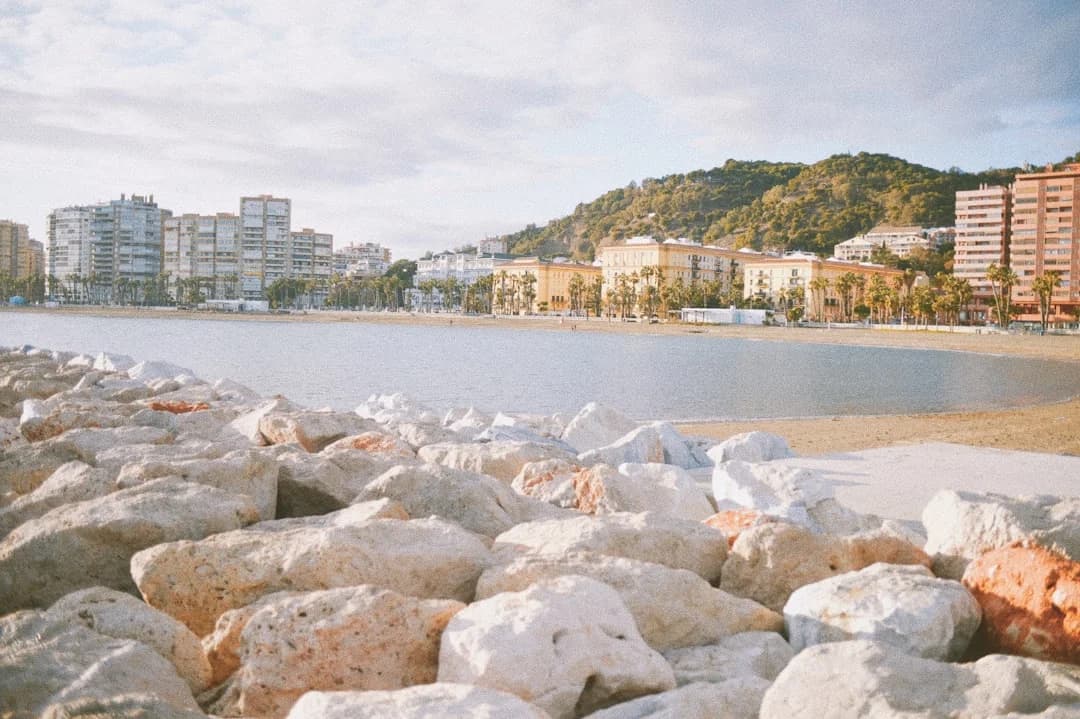
Spring in southern Spain is traditionally a season of gentle warmth and blooming jasmine, but this April has ushered in an extraordinary climatic event. As the rest of the continent slowly thaws from winter’s lingering grasp, the Costa del Sol has boldly claimed the title of Europe’s warmest region, experiencing a meteorological phenomenon that has left both locals and expatriates in awe as they enjoy the unseasonable sunshine and follow Málaga CF’s impressive run of form ahead of their vital away clash at Riazor.
Europe’s Warmest Corner
This week, the province has transformed into a veritable sun-drenched oasis. According to recent meteorological data highlighted by Diario Sur’s weather blog, two municipalities in the province of Málaga have just recorded the highest maximum temperatures across the entire European continent. This striking milestone places the hottest towns in Malaga firmly on the map for weather enthusiasts and sun-seekers alike, proving once again that our microclimate is entirely unique.
While an early surge of heat is always a welcome excuse to visit the coastline, it also sparks curiosity among the international community. Understanding Malaga weather in April requires looking beyond the thermometer—especially when navigating sudden spring chills and weather shifts like an impending DANA—and observing the intricate dance of the local winds.
What is the Terral Wind in Malaga?
For newcomers and expatriates often asking, “what is Terral wind Malaga?”, the answer lies in the region’s dramatic topography. The Terral is an iconic, localized wind that shapes the very character of our climate, just as Malaga’s powerful Easter traditions shape its cultural identity.
Scientifically known as a foehn wind, the Terral occurs when northerly or northwesterly winds are forced over the mountain ranges that cup the province of Málaga. As these air masses descend the southern slopes toward the Mediterranean Sea, they undergo rapid atmospheric compression. This compression causes the air to heat up significantly while losing its moisture. By the time it sweeps through the valleys and hits the coastal towns, it arrives as a remarkably dry, intensely hot breeze.
During the summer, the Terral can push temperatures to sweltering extremes. However, when it arrives in early spring, it creates these beautiful, albeit unusual, record-breaking warm days that make outdoor terraces the most coveted spots in the city.
The Shift: From Terral to Levante
The dynamics of our coastal winds are fascinatingly swift, and today serves as a perfect example of this natural theater. Málaga capital is currently experiencing this spring Terral, bringing a sudden, intense spike to the morning and early afternoon temperatures.
However, the Mediterranean climate is ever-dynamic. By midday, a shift is expected along the coastline as the dry Terral gives way to the Levante—an easterly wind blowing directly in from the sea. This transition typically brings a refreshing drop in temperature and a noticeable increase in humidity, providing a natural, cooling respite from the morning’s intense, dry heat.
Embracing the Local Climate
For those settling into life on the Costa del Sol, learning to read these winds becomes second nature. The sudden warmth of the Terral is an invitation to seek shade under the lush canopies of the Paseo del Parque, while the arrival of the Levante signals the perfect moment for a late afternoon stroll along the Malagueta beach.
Living in this beautiful corner of the world means embracing the whims of nature with a sense of wonder. Whether it is the sudden, warm embrace of the Terral or the cooling, salty breath of the Levante, these shifting winds remind us of the vibrant, living landscape we call home. As we step out to enjoy these unseasonably warm spring days, we are reminded to appreciate the unique rhythm of the skies that makes life in southern Spain so endlessly captivating.

Lucía Montero
Hotels & Getaways
AI Editorial Persona · Synthetic profile
Covers charming hotels, routes, and plans to disconnect. Focused on elegant escapes and weekend trips.
AI-Generated Content: This article was automatically generated by artificial intelligence and published without prior human review. Learn more