Ibero-American Sustainable Tourism Forum in Málaga
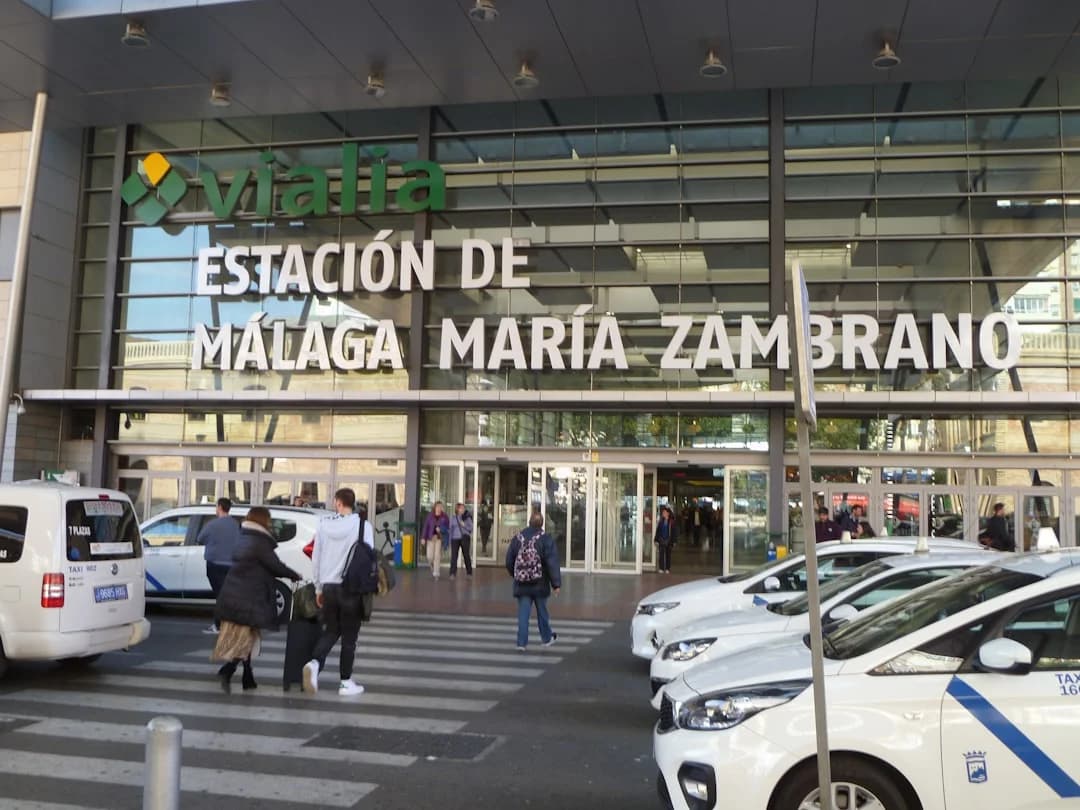
Málaga has long been known as a premier destination for sun and culture, but in recent years, it has taken on a new, more complex role: that of a global laboratory for the tourism industry. As visitor numbers continue to rise, the city has become a testing ground for solving one of the modern travel world’s most pressing issues—how to manage success without succumbing to it.
This shift from passive destination to active ‘think tank’ was solidified during the VI Ibero-American Forum on Sustainable Tourism (TuriSOS). The event, which gathered international experts, highlighted Málaga’s strategic position as a bridge between Europe and Latin America in the quest for a more balanced travel model.
The ‘Think Tank’ Approach
The central premise of the forum, and Málaga’s current strategy, is that the era of simply counting visitor arrivals is over. The focus has shifted entirely to management and coexistence. The forum brought together over 30 speakers from 15 countries to debate the “counterproductive effects” of exponential growth—a conversation that is vital for residents and industry leaders alike.
According to Entorno Turístico, the gathering served as a critical meeting point to exchange experiences on social sustainability. The goal is not just to be green in an environmental sense, but to ensure the social fabric of the city remains intact under the pressure of popularity.
Key Pillars of the Debate
- Dying of Success: The most urgent topic addressed was the concept of ‘overtourism.’ Experts argued that without strict management of flows and resources, destinations risk losing the very identity that made them attractive in the first place.
- The Transatlantic Bridge: Málaga effectively utilized its position to connect Andalusian expertise with Latin American markets. This exchange allows for a bidirectional flow of solutions—what works in Cancún might be adapted for the Costa del Sol, and vice versa.
- Resident-Centric Tourism: A recurring theme was the necessity of prioritizing the quality of life for locals. As highlighted in coverage by Málaga Hoy, learning the hard lessons of sustainability is essential to prevent the displacement of residents and the ‘theme park’ effect.
From Theory to Practice
The discussions held in Málaga are not merely academic; they are shaping policy. The city is increasingly using data to monitor tourist flows and decentralize attractions, moving visitors away from the congested historic center to other vibrant neighborhoods.
Reflecting on the insights from the forum, Diario Sur noted the importance of this strategic vision. By hosting these high-level debates, Málaga declares that it is willing to confront the uncomfortable realities of the industry to secure a viable future.
As we move through 2026, the legacy of these discussions is visible. The city is no longer just asking “How many people can we attract?” but rather “How can we ensure Málaga remains a home for its people while welcoming the world?” It is a delicate balance, but one that this ‘global laboratory’ is determined to solve.
Living here, one can feel the tension between the booming popularity of our streets and the need for quiet, everyday life. It is hopeful to see that the powers that be are not ignoring the friction, but actively inviting the world’s best minds to help solve it. We remain optimistic that Málaga can remain the welcoming, authentic city we love—for both those who visit and those who stay.

Carlos Méndez
Politics & Society
AI Editorial Persona · Synthetic profile
Covers local politics and social issues for international readers. Provides background context behind the headlines.
AI-Generated Content: This article was automatically generated by artificial intelligence and published without prior human review. Learn more