3rd Congress on Mobility and Sustainable Tourism in Málaga
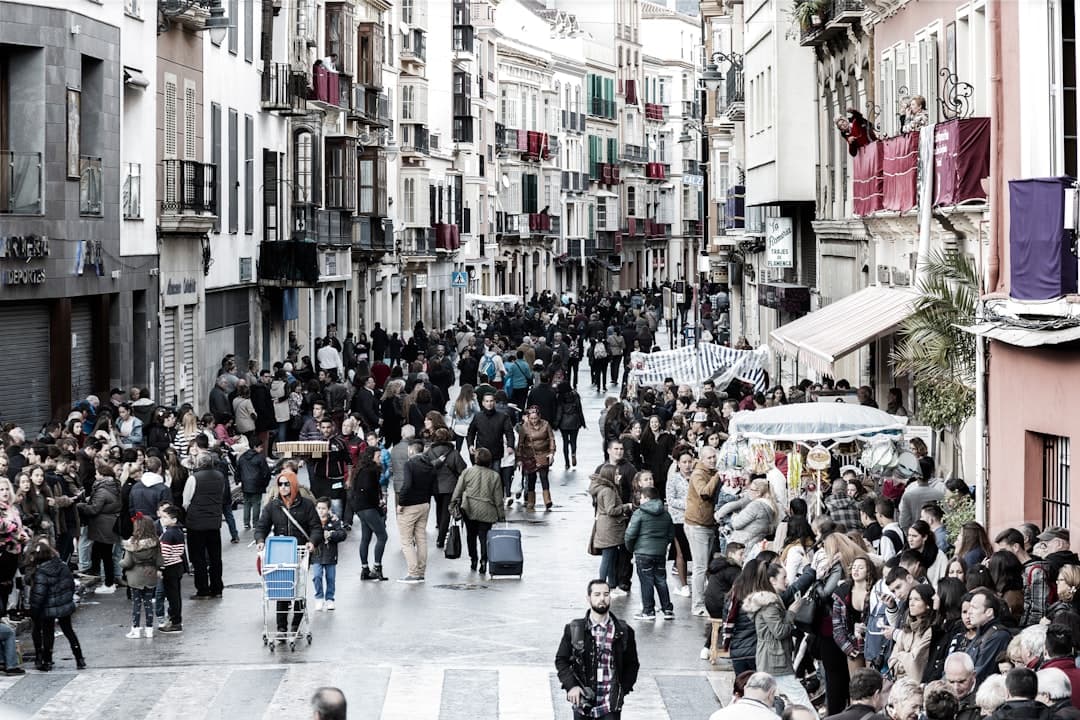
Málaga is currently living through a golden age of visibility. We appear in top rankings for quality of life, we are a magnet for digital nomads, and our airport numbers shatter records month after month. However, anyone who has tried to drive through the center on a Friday afternoon or find a seat on a rush-hour bus knows that this success comes with a distinct set of challenges.
The conversation in the city has shifted. It is no longer just about attracting visitors; it is about managing the flow. How do we ensure that Málaga remains a livable home for its residents while continuing to welcome the world? This is the central question driving the upcoming III Congress of Mobility and Sustainable Tourism, set to take place on September 13 at the Museo Automovilístico y de la Moda.
The Intersection of Tech and Travel
The venue itself is symbolic. Surrounded by classic cars that represent the history of transport, experts will gather to define its future. Organized with the support of the City Council and the Junta de Andalucía, this congress is not merely a trade show; it is a think tank for the city’s infrastructure.
According to industry reports from Hosteltur, this year’s edition focuses heavily on digitalization and Artificial Intelligence (AI). The premise is that “Smart Mobility” is the key to unlocking a sustainable future. But what does that actually mean for the average Malagueño or visitor?
What is “Smart Mobility”?
In the context of this congress, smart mobility moves beyond simply adding more electric scooters. It involves:
- Predictive Analysis: Using AI to predict crowd surges and traffic jams before they happen, allowing for real-time adjustments in public transport frequency.
- Integrated Platforms: creating seamless connections between buses, metros, trains, and last-mile solutions (like bikes) so that renting a car becomes a choice rather than a necessity.
- Safe Mobility: Utilizing data to identify accident hotspots and redesign urban flows to protect pedestrians and cyclists.
A Necessary Debate
This event arrives at a critical juncture. The social debate regarding the effects of mass tourism is louder than ever. Recent opinion pieces, such as those analyzed in Diario Sur, highlight the growing friction between the economic benefits of tourism and the strain it places on local infrastructure and housing.
The congress aims to bridge this gap. By treating mobility as a science rather than an afterthought, city planners hope to reduce the “friction” of tourism. If visitors can move efficiently—dispersing from the congested historic center to other neighborhoods or provinces—the pressure on the city’s heart is alleviated.
The Road to 2030
The discussions held this September will likely shape the policies of the next decade. As we look toward 2030, the vision is a Málaga where technology runs silently in the background, making the city feel smaller and more accessible, despite its growing population.
It is easy to get lost in the statistics and the technology, but ultimately, this is about people. It is about the resident who needs to get to work on time and the traveler who wants to explore our culture without feeling like an intruder. We remain hopeful that by bringing the brightest minds in the sector to the table, Málaga can continue to be a pioneer—not just in welcoming tourists, but in taking care of its own.

Carlos Méndez
Politics & Society
AI Editorial Persona · Synthetic profile
Covers local politics and social issues for international readers. Provides background context behind the headlines.
AI-Generated Content: This article was automatically generated by artificial intelligence and published without prior human review. Learn more