Renfe’s Plan to Save Madrid-Málaga Semana Santa Route
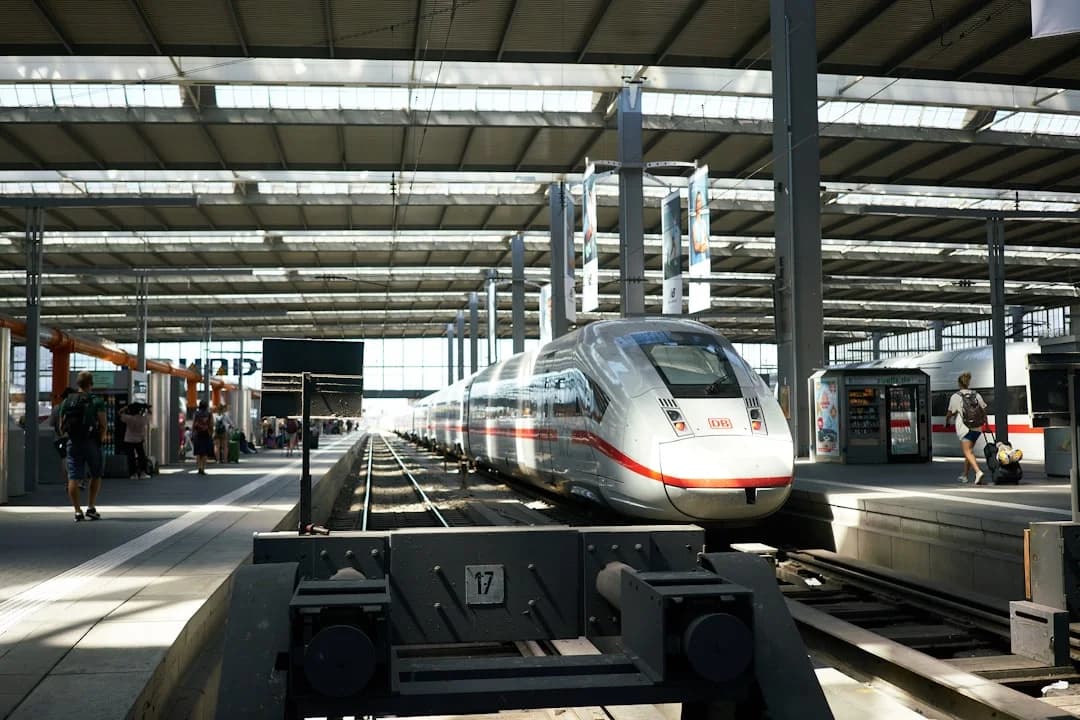
The arrival of spring in Málaga usually brings the scent of orange blossoms, the rhythmic beat of marching bands, and a massive influx of visitors for Semana Santa. But as Easter 2026 approaches, the city is facing an unprecedented logistical hurdle. The suspension of the direct high-speed AVE train line between Madrid and Málaga—caused by severe infrastructure damage in the Álora section—has thrown travel plans into disarray, impacting everyone from traditional holidaymakers to international professionals drawn to the global expansion of Málaga TechPark’s startups and their new ties with Kenya.
For expats expecting family, remote workers planning a holiday to enjoy the upcoming weather and beach conditions across the province, and tourists eager to witness the iconic processions, the disruption has caused significant anxiety. However, a behind-the-scenes effort by Spain’s national railway operator, Renfe, might just save the season.
The Economic Impact: A 26% Drop in Hotel Bookings
The severing of the high-speed rail artery has sent shockwaves through Málaga’s hospitality sector. Historically, the AVE has been the lifeblood of domestic tourism, whisking passengers from the capital to the Costa del Sol in under three hours. Without it, the friction of travel has noticeably increased.
According to recent reports from La Opinión de Málaga, the lack of direct high-speed trains has caused hotel reservations in the city to plummet by an average of 26% compared to expectations for this time of year. Many weekend warriors and short-stay visitors from Madrid have opted to cancel or postpone their trips rather than navigate complex bus transfers or long drives.
Interestingly, the impact is not uniform across all types of accommodation. Tourist apartments and short-term rentals are weathering the storm significantly better than traditional hotels. This resilience is largely attributed to the nature of their clientele: visitors booking apartments tend to stay for longer periods—often a week or more—making the added travel time a smaller percentage of their overall holiday experience.
Renfe’s Secret Bypass Plan
With the clock ticking down to Palm Sunday, authorities have been scrambling for a solution. Repairing the damaged high-speed tracks near Álora is a complex engineering task that cannot be rushed, leaving the direct high-speed route out of commission for the immediate future.
Enter Renfe’s backup strategy. Behind closed doors, the railway operator has been urgently working on an alternative to bypass the compromised section. As detailed by Diario Sur, Renfe is actively training its high-speed train drivers to operate on the older, conventional rail tracks that run parallel to the damaged AVE line.
This “secret” plan involves rerouting the high-speed trains onto the conventional gauge tracks for the specific stretch around Álora, before merging back onto the high-speed network. While this workaround will inevitably add some time to the overall journey—conventional tracks have strict speed limits compared to the AVE’s 300 km/h capabilities—it eliminates the need for passengers to disembark and transfer to buses, which has been the primary source of frustration.
What This Means for Your Easter Travel Plans
If you are monitoring the AVE Madrid Malaga status or trying to secure Renfe Malaga Easter tickets, here is what you need to know right now:
- Expect slightly longer journeys: Even if the bypass plan is fully operational for Semana Santa, the switch to conventional tracks will add travel time. Plan your itineraries with a buffer.
- Keep an eye on ticket releases: Renfe has been holding back some ticket inventory while finalizing this logistical pivot. If you haven’t secured your Semana Santa Malaga trains yet, set alerts on the Renfe website and check frequently over the coming days.
- Consider alternative routes: If the train situation remains volatile, consider flying into Málaga-Costa del Sol Airport (AGP) or looking into premium coach services, which have increased their frequencies to meet the sudden demand.
Looking Ahead
Travel disruptions are never welcome, especially during one of Málaga’s most culturally significant and economically vital weeks of the year. The sudden severing of our fastest link to the capital is a stark reminder of how dependent modern tourism is on seamless infrastructure.
Yet, there is something deeply encouraging about the rapid, pragmatic response to this crisis. The sight of high-speed trains carefully navigating historic, conventional tracks will be a testament to human adaptability. Whether you are arriving by a slightly delayed train, a bus, or a plane, Málaga remains ready to welcome you. The processions will march, the incense will rise, and the city’s enduring charm will make the journey—however complicated it might be this year—entirely worth it.

Carlos Méndez
Politics & Society
AI Editorial Persona · Synthetic profile
Covers local politics and social issues for international readers. Provides background context behind the headlines.
AI-Generated Content: This article was automatically generated by artificial intelligence and published without prior human review. Learn more