Holy Tuesday Takes Over Málaga’s Victoria Neighborhood
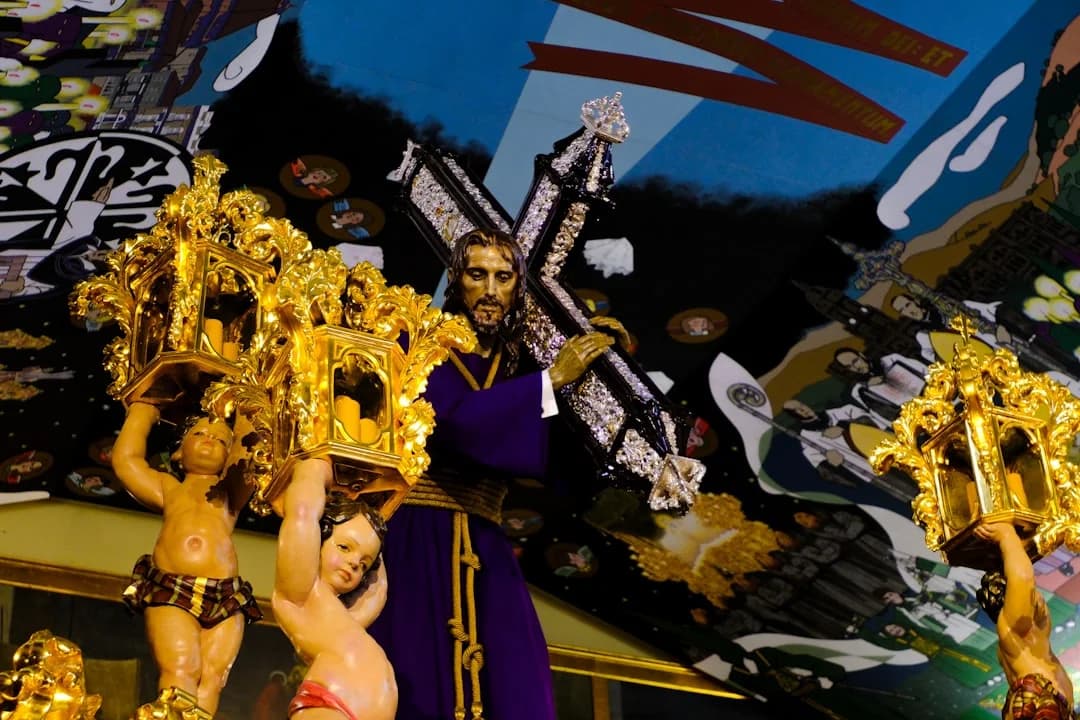
For an expat or digital nomad, Málaga’s Semana Santa (Holy Week) can feel like stepping into another world. The city transforms into a fascinating, albeit slightly chaotic, maze of incense, powerful brass bands, and massive crowds. Understanding the daily rhythm of the week is the key to enjoying the authentic local culture without feeling overwhelmed.
Following a spectacular start to the 2026 festivities—including a flawless Holy Monday on March 30, where locals witnessed the deeply emotional return (encierro) of the Virgen del Amor Doloroso in Plaza de los Mártires, as covered by Diario Sur—the city’s attention traditionally shifts eastward for Holy Tuesday.
The Heart of Holy Tuesday: Barrio de la Victoria
Historically, Holy Tuesday (Martes Santo) in Málaga is synonymous with the Victoria neighborhood. On March 31, 2026, the streets of this historic district once again became the epicenter of devotion and local culture. The day is defined by the presence of iconic brotherhoods (hermandades), prominently featuring Rocío, Penas, Nueva Esperanza, Estrella, and Rescate.
Each of these processions brings its own unique atmosphere to the streets:
* El Rocío: Often drawing thousands, the Virgin is affectionately known as the “Novia de Málaga” (Bride of Málaga) due to her striking all-white attire.
* El Rescate: Known for its vibrant aesthetic, this brotherhood paints the streets of the Victoria neighborhood in deep reds and purples.
* Las Penas: Famous for the incredible mantle of fresh flowers worn by the Virgin, which is meticulously crafted by city gardeners each year.
Local morning broadcasts, such as the updates from COPE Málaga, captured the city’s anticipation and the smooth coordination of the 2026 itineraries, highlighting just how much the neighborhood embraces this special day.
Tips for Navigating the Processions
If you are trying to experience authentic local culture without getting lost in the multitudes, heading to the neighborhoods where the processions originate is often a smart move. While the official route (recorrido oficial) along Calle Larios and the Alameda Principal offers grandstands and wide avenues, it is also the most crowded.
Here is how to make the most of the neighborhood processions:
1. Seek Out the Exits and Returns: The moments when a throne leaves its casa hermandad (brotherhood house) or returns late at night are often the most emotional and authentic.
2. Explore the Backstreets: The Victoria neighborhood offers a slightly more residential backdrop. Finding a spot on a narrower street allows you to see the intricate details of the thrones up close.
3. Pace Yourself: Holy Week is a marathon, not a sprint. Grab a coffee or a traditional torrija at a local café while you wait for the processions to pass.
Experiencing the Culture Respectfully
As an international resident, witnessing these events is a privilege. It is important to remember that while Semana Santa is a spectacular cultural and artistic display, it is also a deeply religious and emotional time for many malagueños. Standing back, observing the nazarenos (penitents) and hombres de trono (throne bearers), and feeling the rhythm of the marching bands is the best way to soak it all in.
Experiencing Semana Santa in Málaga is a true rite of passage for anyone living here. Even when the streets feel overwhelmingly packed, there is a profound sense of community that bridges the gap between generations. Whether you are catching a glimpse of a procession from a balcony or standing shoulder-to-shoulder with locals in the heart of Victoria, these moments remind us of the deep, beating heart of this beautiful city.

Álex Soto
Family & Plans
AI Editorial Persona · Synthetic profile
Covers family-friendly plans, events, and kid-friendly venues. Focused on practical recommendations that work.
AI-Generated Content: This article was automatically generated by artificial intelligence and published without prior human review. Learn more