Surviving Semana Santa in Málaga: Family Crowd Guide
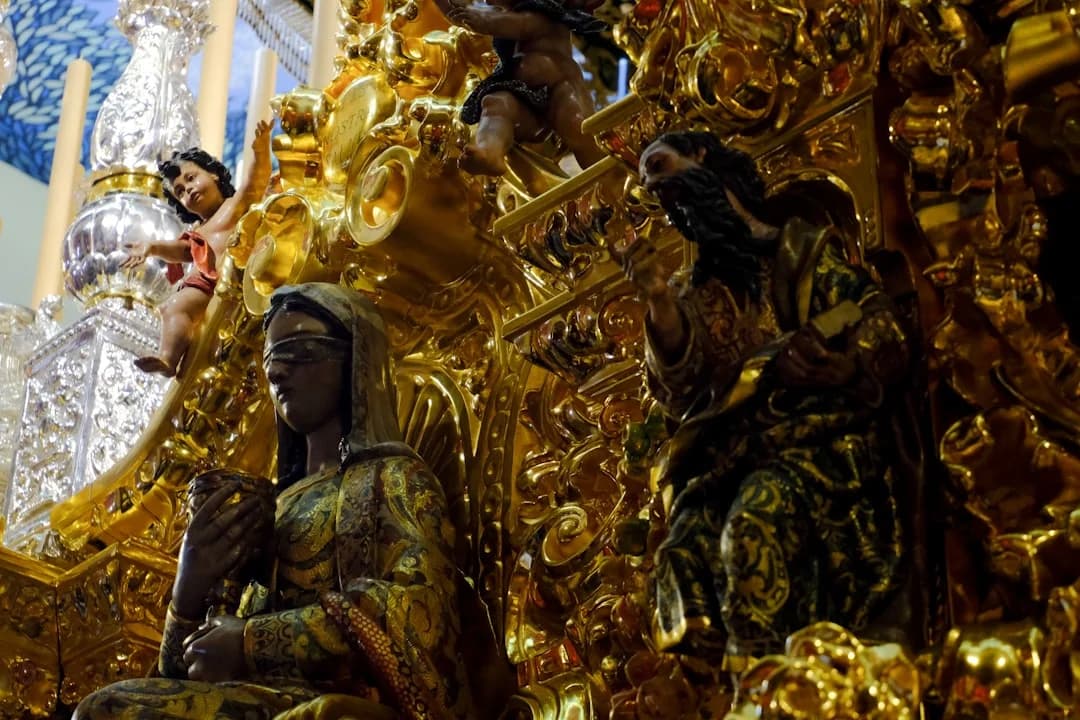
Semana Santa in Málaga is an experience like no other. The scent of frankincense hangs heavy in the spring air, the haunting sound of brass bands echoes down narrow alleys, and the sheer scale of the intricately carved tronos (thrones) is enough to leave anyone speechless. But let’s be honest: if you are an expat, a newcomer, or trying to navigate the city center with young children, it can also be incredibly overwhelming. Fortunately, surviving the long hours of processions just got a bit easier now that police have relaxed the rules on bringing portable chairs.
With hundreds of thousands of people packing into the historic center, getting from point A to point B suddenly requires military-level strategy. Here is a practical, no-nonsense guide to surviving the crowds and keeping your family’s sanity intact during Málaga’s most intense week of the year.
The Grandeur of Domingo de Ramos
The week officially kicked off this past Sunday, March 29, 2026, with Domingo de Ramos (Palm Sunday). It is traditionally a day of joy and light, drawing massive crowds eager to see the first processions of the season.
One of the absolute highlights of the 2026 Palm Sunday lineup was the ‘Humildad’ procession. As beautifully detailed by La Opinión de Málaga, the sculptural group brought a striking sense of harmony and consonance to the streets, setting a majestic tone for the rest of Holy Week.
But while the art and devotion are spectacular, the sheer volume of people gathered to witness these moments can be daunting. For children, the sudden shift in routine, booming drums, and wall-to-wall crowds can quickly lead to sensory overload.
Psychological Strategies for Families
When children are pushed out of their routines and placed in highly stimulating environments, meltdowns are almost inevitable. Experts strongly advise parents to take a proactive approach rather than just hoping for the best.
According to family psychology resources highlighted by Ser Padres, there are specific psychological techniques you can employ to manage overstimulation and irritability during Semana Santa:
1. Manage Your Expectations
You cannot see everything. Accept this early. Instead of trying to catch five different processions in one evening, pick one or two that are family-friendly and easily accessible. The goal is a positive experience, not an endurance marathon.
2. Create Sensory Escape Routes
The noise of the bandas de cornetas y tambores (bugle and drum bands) can be deafening up close.
* Pack ear protection: Noise-canceling headphones for toddlers are a lifesaver.
* Identify quiet zones: Know where the nearest quiet plaza or open park is. If your child starts showing signs of distress, step away from the main route immediately.
3. Anchor Their Routines
Semana Santa processions run late into the night, often not finishing until 2:00 or 3:00 AM. While older kids might enjoy the late bedtime, younger ones will struggle. Try to maintain regular meal times, even if you are eating on the go. If you plan to stay out late, enforce a solid afternoon nap or “quiet time” at home before heading into the center.
Practical Crowd Navigation in Málaga
Beyond psychology, you need a physical game plan for moving through the city.
- Avoid the Alameda Principal at Peak Times: The Alameda and Calle Larios form the Recorrido Oficial (Official Route). They are entirely fenced off and packed with ticketed seating. Trying to cross these streets during a procession is impossible.
- Use the Designated Crossing Points: There are specific pasos de peatones (pedestrian crossings) managed by local police and volunteers along the official route. Be prepared to wait, as they only open when there is a gap between brotherhoods.
- Download the App: The official Agrupación de Cofradías usually releases a live-tracking app. Use it to see exactly where a procession is so you can either intercept it or actively avoid it.
- Watch from the Periphery: The best place to watch a procession with kids is rarely in the dense historic center. Catching the tronos as they exit their neighborhood parish or as they return late at night (if your kids are older) offers a much more breathable, intimate experience.
At the end of the day, Semana Santa is a deeply emotional and historically rich tradition that defines Málaga’s cultural heartbeat. While the crowds might feel endless and the disrupted bedtimes can certainly test your patience, seeing the city come alive in such a profound way is a privilege. Take a deep breath, grab a slice of traditional torrija, and remember that these chaotic, incense-filled nights will soon become some of your family’s most cherished memories.

María Rojas
Local Guides
AI Editorial Persona · Synthetic profile
Covers authentic, no-frills spots across Centro, Pedregalejo, and beyond. Focused on practical recommendations for food, culture, and neighborhoods.
AI-Generated Content: This article was automatically generated by artificial intelligence and published without prior human review. Learn more